

Share The Article
Colombia remains one of the most popular destinations in South America for U.S. travelers, known for its biodiversity, vibrant culture, and favorable exchange rate. However, a new security alert issued by the U.S. Embassy highlights the complex security environment that currently exists in the country.
While major tourist hubs remain accessible, the U.S. State Department is urging caution regarding how travelers move between destinations.
It is crucial to contextualize this alert: Colombia is vastly safer today than it was a decade ago, having successfully transformed itself from a conflict zone into one of the world’s most celebrated tourism success stories.


Here is what you need to know about the latest “Armed Strike” alert, the dangers of intercity highway travel, and a reminder of the ongoing risks involving dating apps in major cities.
The New Alert: Risks on The Roads
The U.S. Embassy in Bogota has issued a security alert regarding an announced “Armed Strike” by the Ejército de Liberación Nacional (ELN).


While the specific strike is scheduled for December 14 through December 17, the implications for travelers extend beyond these dates. An “Armed Strike” (Paro Armado) typically involves the armed group prohibiting the movement of vehicles and people in territories where they operate.
What This Means For Travelers: The most critical takeaway from this alert is the risk associated with intercity highway travel. The ELN explicitly warned civilians to avoid traveling by roads and navigable rivers during their operations.
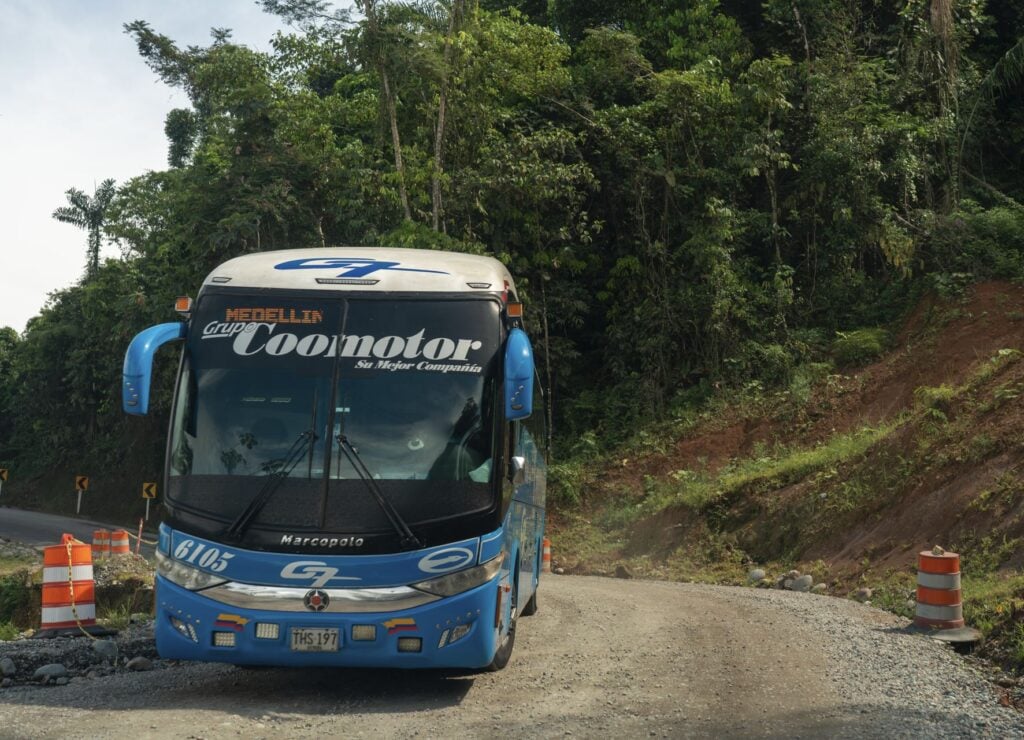
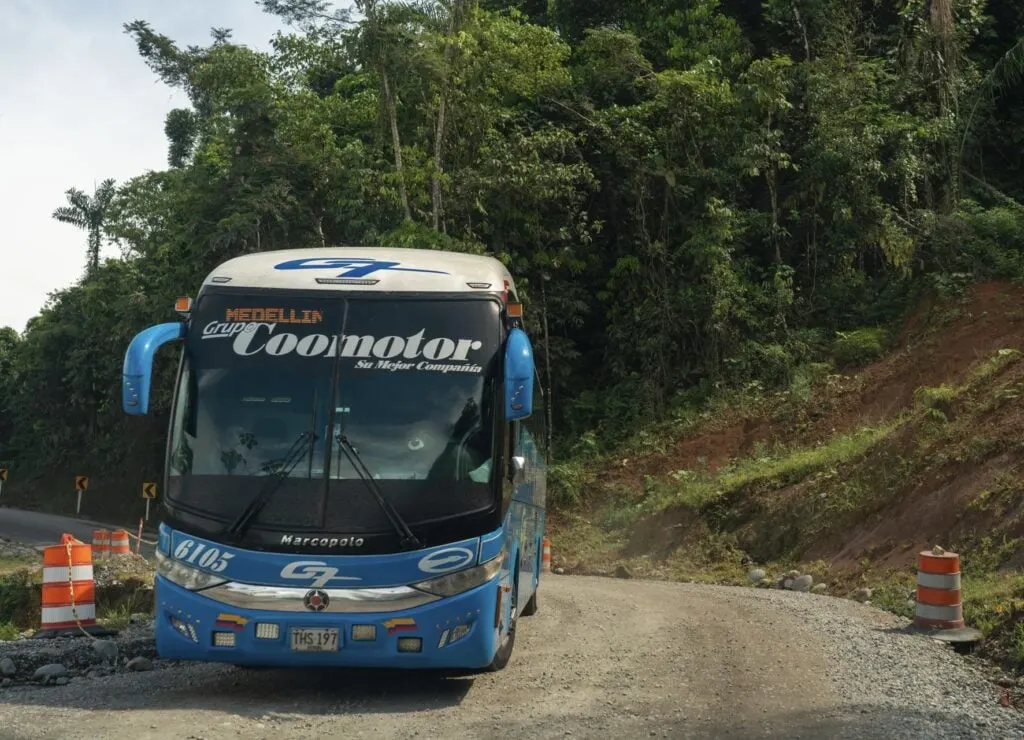
- Avoid The Bus: If you are planning to travel between cities (for example, from Medellin to the Coffee Axis, or Cali to Popayán), do not take the bus.
- Fly Instead: Air travel remains unaffected and is the safest way to move between regions.
- Stay In The Cities: The risk is significantly higher on rural highways and remote roads than within the secure zones of major cities.
The ELN is reported to be most active in the northeast (Arauca, Norte de Santander), west (Chocó), and southwest (Cauca, Nariño), though they maintain a presence in popular departments like Antioquia, Bolívar, and Valle del Cauca.
The General Advisory: Level 3 (Reconsider Travel)
Beyond the immediate “Armed Strike,” travelers must remember that Colombia is currently under a Level 3: Reconsider Travel advisory from the U.S. State Department, issued on April 17, 2025.
This advisory flags four specific risk indicators:
- Crime
- Terrorism
- Civil Unrest
- Kidnapping

The “Do Not Travel” Zones (Level 4) While the country generally is Level 3, the State Department explicitly advises U.S. citizens not to travel to the following areas due to crime and terrorism:
- Arauca Department
- Cauca Department (excluding the city of Popayán)
- Norte de Santander Department
- The Colombia-Venezuela border region
If you are visiting Colombia, sticking to the “well-known trail” (Bogotá, Medellin, Cartagena, Santa Marta) and flying between them is the most effective way to mitigate these regional risks.

The “Invisible” Risk: Dating Apps and Scopolamine
While highway safety is a logistical concern, a more personal danger continues to plague major cities like Medellin, Cartagena, and Bogotá.
The U.S. Embassy has maintained a high-alert status regarding the use of online dating applications.
The Danger: Criminal organizations are using dating apps to lure victims—typically foreign tourists—to public places like restaurants, bars, or hotels. Once there, the victims are often assaulted, robbed, and frequently drugged.


The “Devil’s Breath” (Scopolamine): There has been a disturbing rise in incidents involving sedatives, commonly known as Scopolamine. This drug renders the victim compliant and wipes their memory, allowing criminals to empty bank accounts and steal electronics without resistance.
- The Stats: In a previous alert, the Embassy noted 8 suspicious deaths of U.S. citizens in Medellin over a two-month period, many linked to drugging or suspected homicide involving dating apps.
- Underreported Crimes: The Embassy notes that these crimes are often underreported because victims feel embarrassed.


How To Stay Safe:
- Meet in Public: Never invite a stranger back to your accommodation or go to theirs on the first meeting.
- Watch Your Drink: Never leave a drink unattended.
- Tell a Friend: Always let someone know where you are going and who you are meeting.
- Trust Your Gut: If a situation feels too good to be true, or if a date is aggressively trying to get you to go to a private location, leave immediately.
The Bottom Line
Colombia is a stunning country that can be visited safely, but it requires a higher level of “street smarts” than other destinations.
{ const container = document.getElementById(‘colombia-safety-dashboard-2025’); // Data: HTML Entities for Emojis const safetyData = [ { title: “Highway Travel Risk”, icon: “🚌”, // Bus desc: “CRITICAL: The ‘Armed Strike’ targets roads. Avoid intercity buses (e.g., Medellin to Bogota) during this period. Fly between major cities instead.” }, { title: “Dating App Warning”, icon: “📱”, // Mobile Phone desc: “HIGH RISK: Criminals use apps to lure victims. Risks include robbery and drugging (Scopolamine). Never meet in private on the first date.” }, { title: “‘Do Not Travel’ Zones”, icon: “🚫”, // No Entry desc: “RED ZONES: Arauca, Norte de Santander, and Cauca (except Popayan). Stick to the main tourist trail (Medellin, Cartagena, Bogota).” } ]; const buildElement = (tag, options = {}) => { const el = document.createElement(tag); Object.assign(el, options); return el; }; const renderTool = () => { container.innerHTML = ”; // Header const header = buildElement(‘h2’, { textContent: “Colombia Safety Briefing” }); const sub = buildElement(‘p’, { className: ‘top-sub’, textContent: “Tap to view the 3 critical risk areas for travelers.” }); container.appendChild(header); container.appendChild(sub); // Alert Box (Armed Strike) const alertBox = buildElement(‘div’, { className: ‘alert-box’ }); const alertIcon = buildElement(‘div’, { className: ‘alert-icon’ }); alertIcon.innerHTML = ‘⚠️’; // Warning Sign const alertContent = buildElement(‘div’, { className: ‘alert-content’ }); const alertTitle = buildElement(‘h3’, { textContent: “Active Alert: Armed Strike” }); const alertText = buildElement(‘p’, { textContent: “Intercity highway travel is dangerous Dec 14-17 due to ELN activity. Stick to air travel.” }); alertContent.appendChild(alertTitle); alertContent.appendChild(alertText); alertBox.appendChild(alertIcon); alertBox.appendChild(alertContent); container.appendChild(alertBox); // List const list = buildElement(‘div’, { className: ‘safety-list’ }); safetyData.forEach(item => { const itemBox = buildElement(‘div’, { className: ‘safety-item’ }); // Header const itemHeader = buildElement(‘div’, { className: ‘item-header’ }); const leftSide = buildElement(‘div’, { className: ‘header-left’ }); const iconSpan = buildElement(‘span’, { className: ‘tool-emoji’ }); iconSpan.innerHTML = item.icon; // Safe Entity Injection const title = buildElement(‘h3’, { className: ‘item-title’, textContent: item.title }); leftSide.appendChild(iconSpan); leftSide.appendChild(title); // Toggle (Plus Sign) const toggle = buildElement(‘span’, { className: ‘toggle-icon’, textContent: ‘+’ }); itemHeader.appendChild(leftSide); itemHeader.appendChild(toggle); // Content const content = buildElement(‘div’, { className: ‘item-content’ }); content.textContent = item.desc; // Interaction itemHeader.addEventListener(‘click’, () => { const isOpen = content.classList.contains(‘open’); // Close others document.querySelectorAll(‘.item-content’).forEach(el => { el.classList.remove(‘open’); el.style.maxHeight = ‘0px’; }); document.querySelectorAll(‘.toggle-icon’).forEach(el => { el.classList.remove(‘rotated’); }); if (!isOpen) { content.classList.add(‘open’); content.style.maxHeight = content.scrollHeight + “px”; toggle.classList.add(‘rotated’); // CSS Rotation } }); itemBox.appendChild(itemHeader); itemBox.appendChild(content); list.appendChild(itemBox); }); container.appendChild(list); // Footer const footer = buildElement(‘div’, { className: ‘tool-footer’ }); footer.innerHTML = ‘Powered by Travel Off Path’; container.appendChild(footer); }; renderTool(); }); ]]>
By avoiding highway travel through red zones, flying between cities, and exercising extreme caution with nightlife and dating apps, you can navigate the risks and enjoy what the country has to offer.
Know Before You Go Before you pack your bags, make sure to run our essential 1 Minute Trip Check. In just 60 seconds, you can verify the latest entry requirements and safety advisories for your specific destination.
Safe Travels!
The Travel Off Path Advantage: Your Travel Toolkit
Subscribe To Our Latest Posts
Enter your email address to subscribe to Travel Off Path’s latest breaking travel news, straight to your inbox.
Please visit:
Our Sponsor