

Traveling with a dog around the UK and Ireland feels different from a regular trip, mostly because the days tend to pass more slowly. A person notices small things, like the way a pub garden settles in the afternoon or how a coastal path stays quiet once the tide falls.
Bringing a dog means paying attention to the weather, walking routes, and friendly faces along the way. It also opens doors to places that might be skipped otherwise. This introduction sets the pace for the kind of journey that grows from steady walks and simple discoveries. It all feels familiar after just days.
English Countryside Wanderings
Planning the first stretch through the English countryside usually starts with working out simple details, like where a dog can stretch out after a wet morning or which village green stays open enough for a short wander.
Travelers talk about weather more than usual because a passing shower changes the rhythm fast. Someone following old walking routes might stop near stone walls just to let the dog sniff around while farm traffic rolls by.
The search for finding dog-friendly breaks often leads to small inns that don’t make a fuss about muddy paws. Many of them have worn floors, steady heat, and a staff member who offers water before anything else. There’s also the easy comfort of pubs that allow dogs as long as they settle under the table. It’s not dramatic travel, but the mix of local talk, steady trails, and slow pub meals makes the days feel honest.
Scottish Highlands Routes
Heading north into Scotland feels different once the terrain rises and the air sharpens a bit. Travelers with dogs often notice how the ground changes underfoot, especially on moors where the wind pushes low grass in uneven waves.
Villages in the Highlands tend to move at their own pace, and most places don’t blink when someone walks in with a damp dog. Long trails link lochs and woods, so there’s a sense of wandering between small pockets of quiet. A person might find themselves stopping more often than planned just to watch the dog follow scents drifting from the water.
Some stays sit close to old rail lines, and the distant hum makes the evenings feel grounded rather than remote. Food is straightforward, with broth or fish pies that seem right after hours outside. The day usually slows once the sky colors out, and the dog settles near the door.
Ireland’s Open Trails and Easy Conversations
Once travelers step into Ireland, the edges of the journey shift again because the roads lean toward conversation as much as scenery. People driving through rural counties often slow near farm gates to check directions or trade a few words about the weather.
Dogs settle comfortably here, especially on long stretches beside stone fences where the fields sprawl gently. Some visitors mention enjoying small group tours of Ireland, especially the walking ones, since the slower pace makes it easier to bring a dog along quieter routes and notice things they’d probably miss on their own.
Pubs tend to make space for well-behaved dogs, and there’s an easy rhythm to the way people drift in after work. A traveler might step inside with a damp coat, find a corner seat, and realize their dog has already settled. Many stays sit close to these small-town pubs, whether it’s an older guesthouse with creaking floors or a farm conversion that feels more modern.
Welsh Hills and Coastal Paths
Crossing into Wales brings a different rhythm, partly because the hills wrap around towns in a way that keeps sounds close. Dogs seem to enjoy the mix of steep climbs and sudden views, even when the weather shifts with no warning. Paths through oak woods smell damp and earthy in the morning and fresh in the afternoon.
Travelers often find small cafés with open doors where a dog can curl up under a chair while people passing by give a casual pat on the head. Coastal walks stretch out beside old mining villages, and routes around The Knapp to Kenfig Nature Reserve add long, open stretches where sand, grass, and low dunes blend into each other. The mix of cliffs and flat beach gives plenty of room for steady pacing.
Many stays feel personal, sometimes because the owner shares a story about local sheep farms or weekend festivals. A person traveling with a dog notices how these small rhythms shape the day.
Northern Ireland’s Steady Pace
Northern Ireland folds easily into a dog-friendly journey because the distances between coastal paths, towns, and open fields stay manageable. Travelers often start around Belfast, where parks run long enough for morning walks before heading out to the countryside.
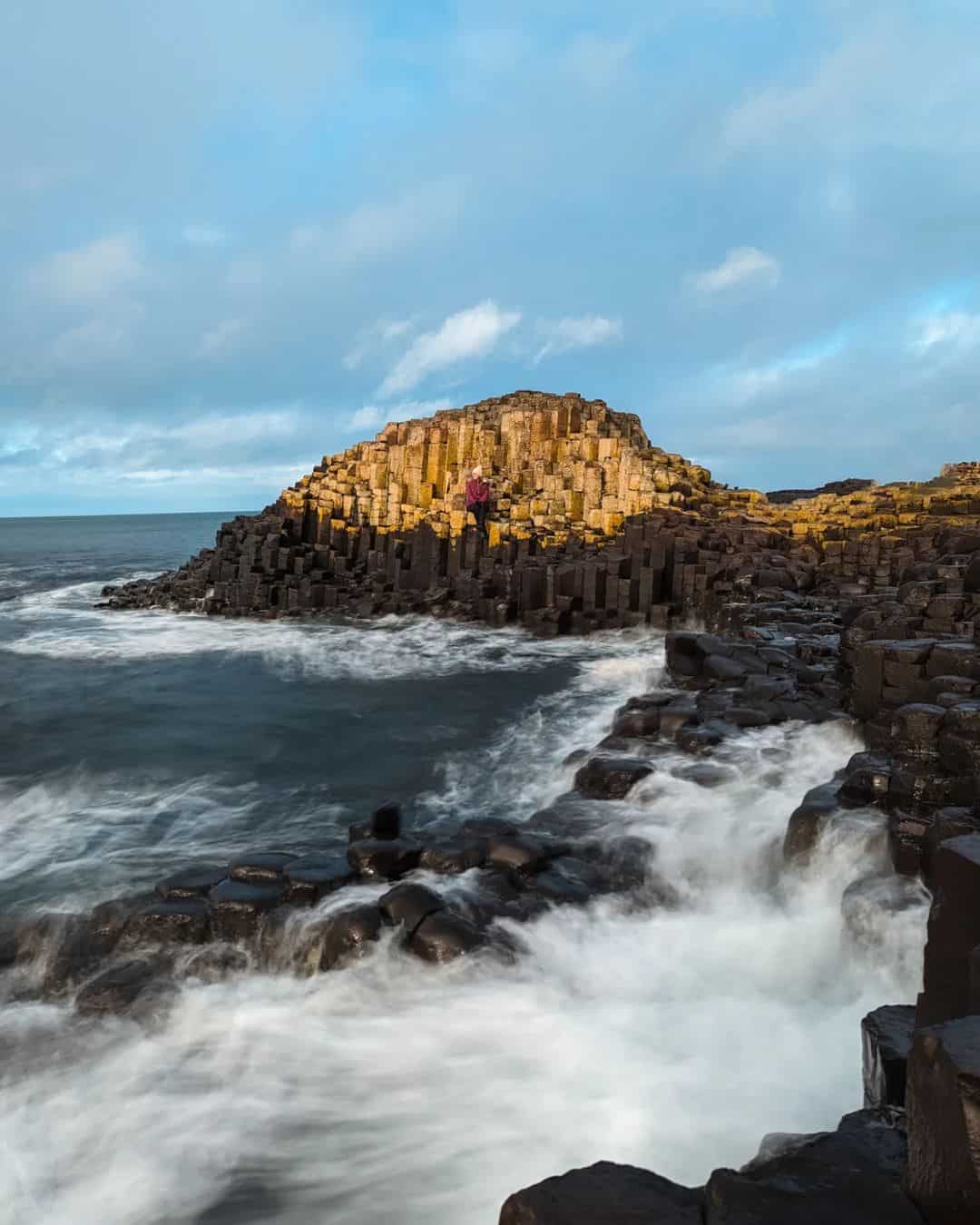
The Giant’s Causeway pulls in a steady flow of visitors, but people walking with dogs usually drift toward the quieter cliff-top paths instead of the busy stones below. From up there, the basalt columns spread out in a way that feels easier to take in, and the sound of the surf rolls up the cliffs with a steady rhythm. Dogs often pick up a bit of speed along this stretch, tugging toward the open space as the wind comes across the headlands.
In quieter towns, cafés leave bowls near the doorway, and it becomes normal to pause for tea while the dog naps. Inland forests hold steady shade, which helps on warmer days when the air feels still. Stays vary, from old stone cottages to tidy guesthouses that welcome early risers. The region moves at a steady pace that suits a dog.
What lingers after a trip like this?
What does a person carry home after wandering the UK and Ireland with a dog? Maybe it’s the sense that travel shifts when the days fall into a steady pattern. Trails don’t need to be long to feel worthwhile, and towns open up in small ways when a dog leads the pace.
People talk more, even briefly, because a dog breaks the quiet. The landscapes stay honest, whether shaped by wind, rain, or the low hum of villages settling for the night. A person returns with simpler habits that seem to follow them back home for a little while longer.
Sharing is caring!
Please visit:
Our Sponsor