
 mana5280/Unsplash
Night can reshape the character of a city in ways daylight never reveals. A street that feels ordinary at noon may feel far less predictable once storefronts close, foot traffic thins, and noise settles into a distant hum. People who have lived in these cities for years speak from quiet experience when they caution others about certain corridors after dark. Their advice does not come from fear but from long observation of how a block changes when lights fade and routines shift. Their insights form a kind of practical map, one built from noticing what happens when a neighborhood exhales at night.
Baltimore
 Brendan Beale/Unsplash
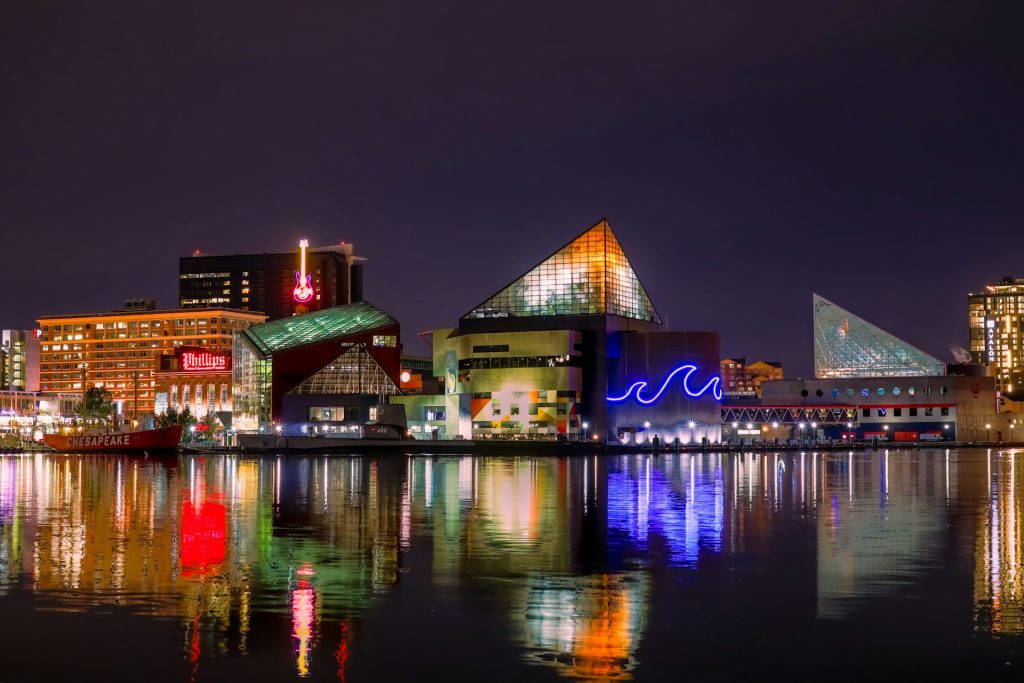
Baltimore is a city of tight knit communities, historic charm, and creative grit, yet longtime residents speak plainly about certain areas that feel tense once businesses close. They describe blocks where narrow streets and dim lighting make it hard to sense movement, and where the absence of steady foot traffic changes the entire mood. People rely on familiar corridors that stay active later into the evening, choosing routes shaped by experience rather than convenience. Neighborhood associations work on adding lights, supporting after school programs, and keeping public spaces active so streets feel less abandoned. Locals do not dramatize the risks. They share guidance the same way they would share a shortcut to the market, grounded in care and realism.
St. Louis
 Kirk Thornton/Unsplash
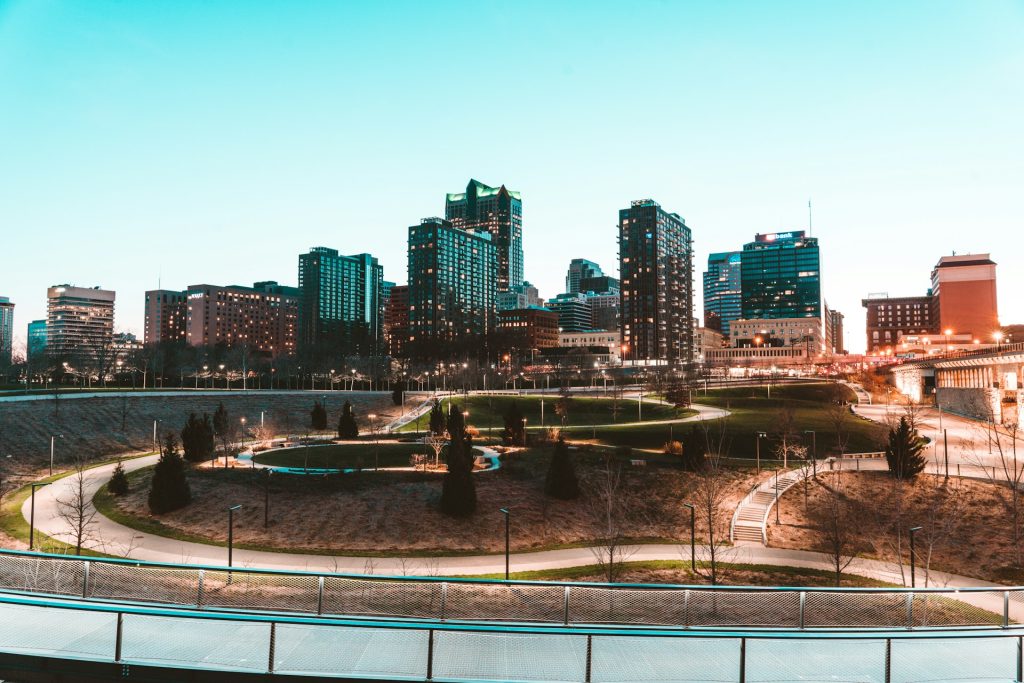
St. Louis holds neighborhoods full of strong community pride, yet residents often mention a few sections of the city that become noticeably quieter at night. Empty storefronts along certain blocks create long stretches with little visibility, and residents say the drop in activity can make even routine walks feel uneasy. Community groups press for better lighting, cleaned sidewalks, and renewed investment that keeps people circulating after work hours. Local habits adjust accordingly. People choose active commercial routes, ride together from evening events, and look after one another with a calm sense of shared responsibility. The caution is practical rather than dramatic, rooted in the everyday patterns of a city still finding its balance.
Detroit
 William Duggan/Unsplash
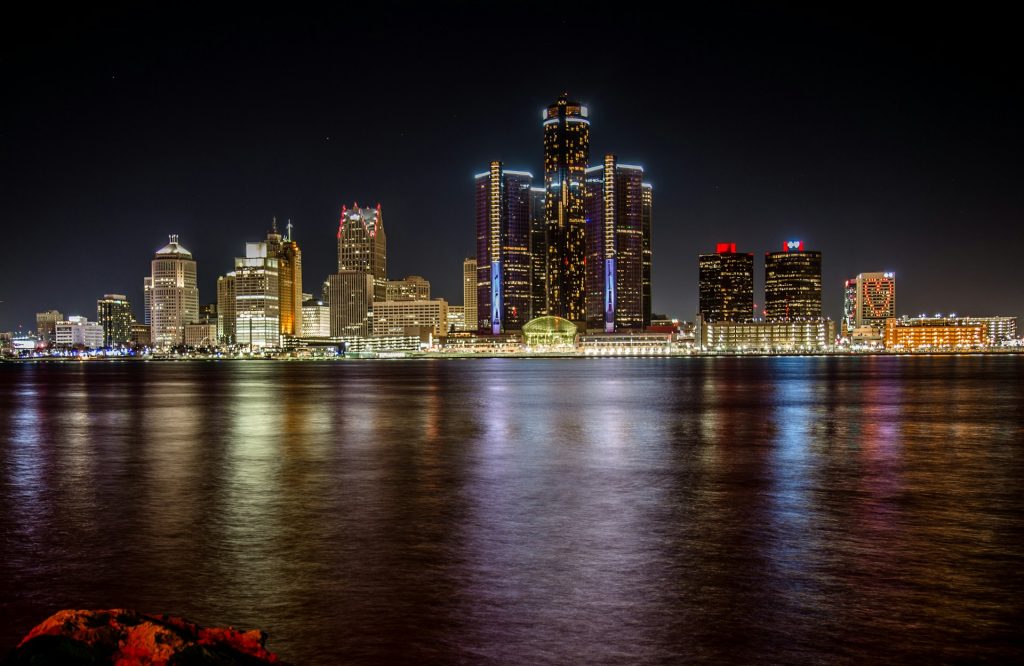
Detroit carries a remarkable mix of artistry, resilience, and reinvention, yet locals note that the atmosphere can shift quickly once the sun goes down. Some neighborhoods grow so quiet that even one dark block can change how people choose to move through it. Empty houses near transit corridors or long distances between stops add to the sense of unpredictability. Residents respond with resourcefulness, organizing carpools, coordinating late night check ins, and sharing updates about which streets feel more reliable. They talk about safety the same way they talk about weather: something to navigate with awareness, not fear. They know their city intimately and treat caution as a form of community care.
New Orleans
 Mitch Hodiono/Unsplash
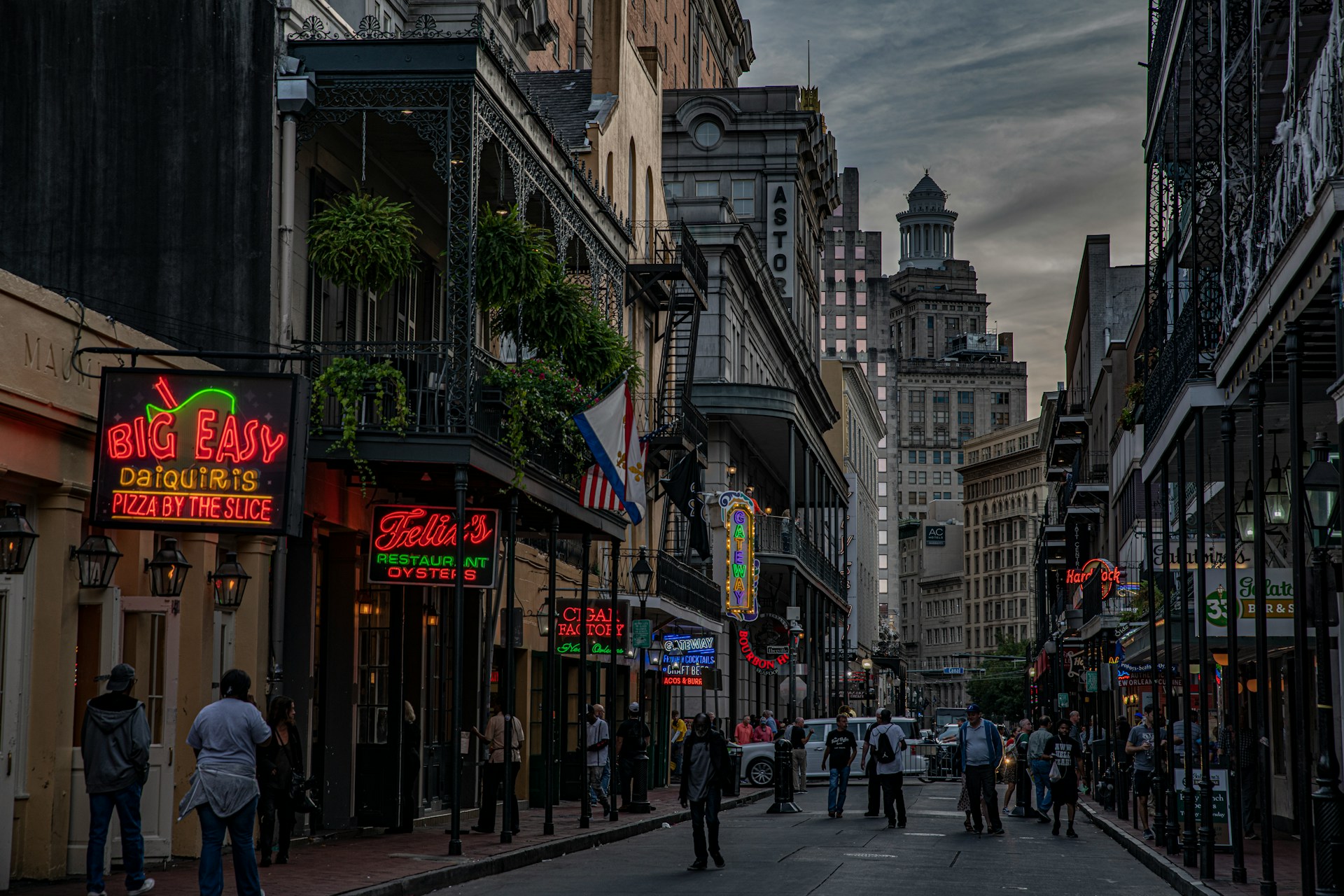
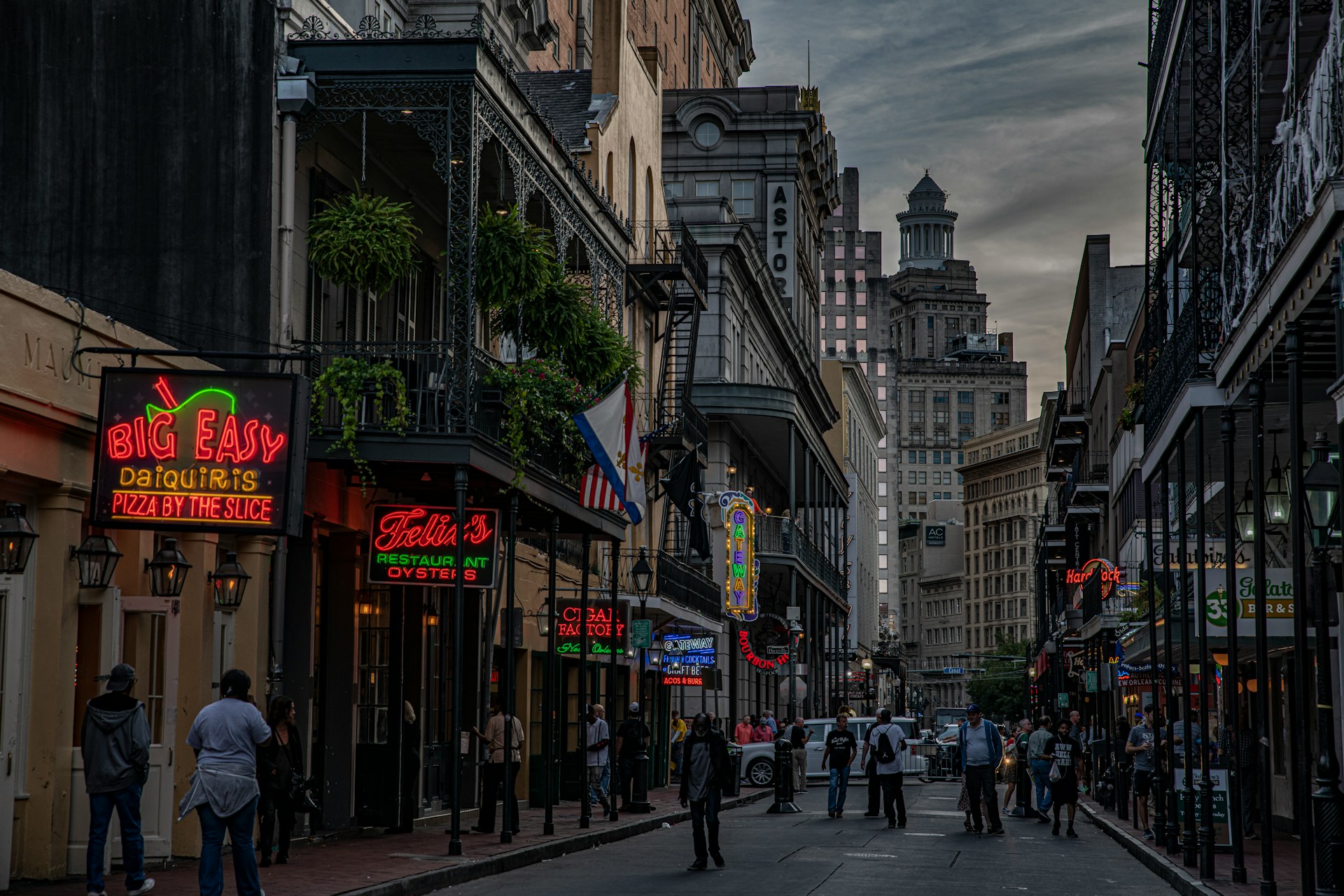
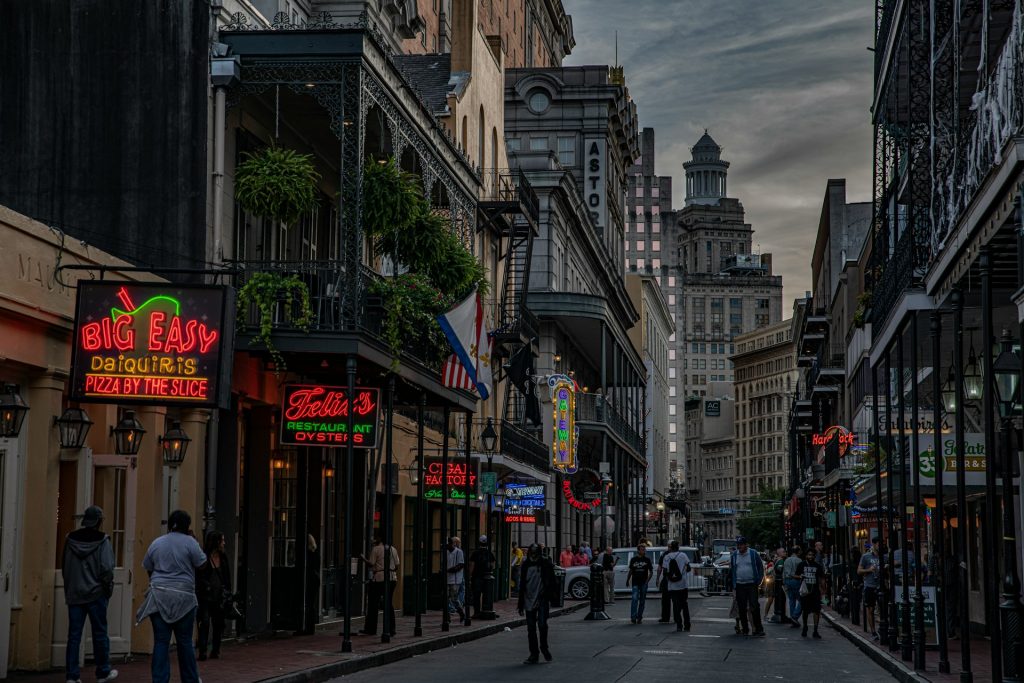
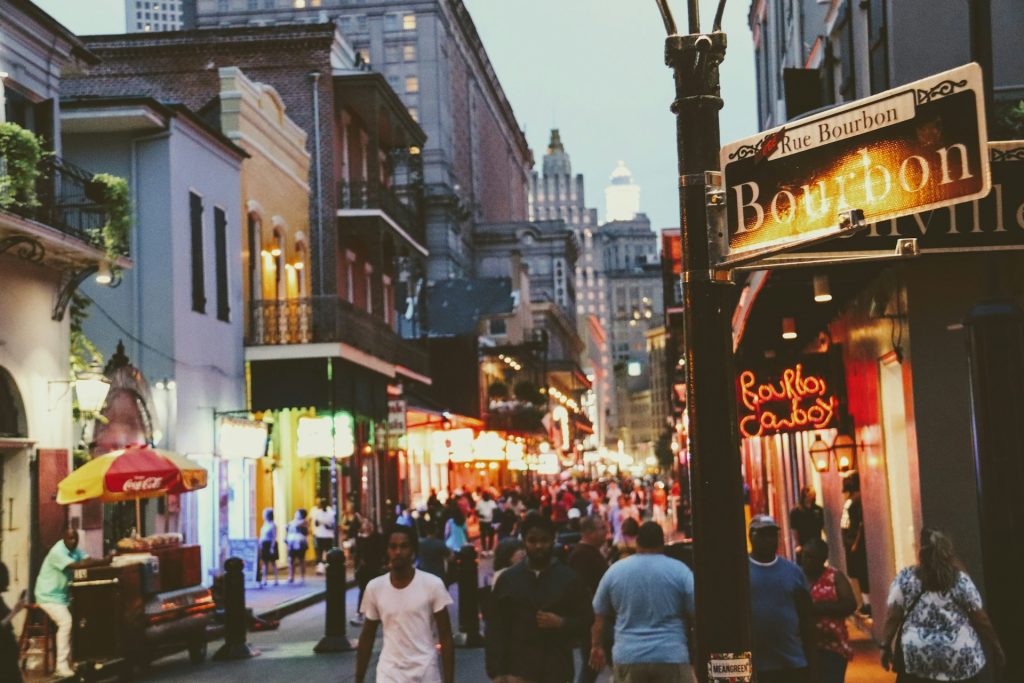
New Orleans is famous for its nightlife, yet people who live beyond the tourist glow understand the subtle shifts that occur after evening crowds thin out. A block that feels festive near the French Quarter can turn hushed and lonely once the music fades and foot traffic disperses. Locals pay attention to which streets stay active, which corners stay well lit, and which routes feel vulnerable because they dip into quieter residential pockets. Community efforts center on better lighting, safer paths for late shift workers, and outreach programs that keep neighbors connected. Residents share tips with the same warmth they use when recommending a favorite cafe, trusting that knowledge keeps people safer than alarm ever could.
Chicago
 Lance Anderson/Unsplash
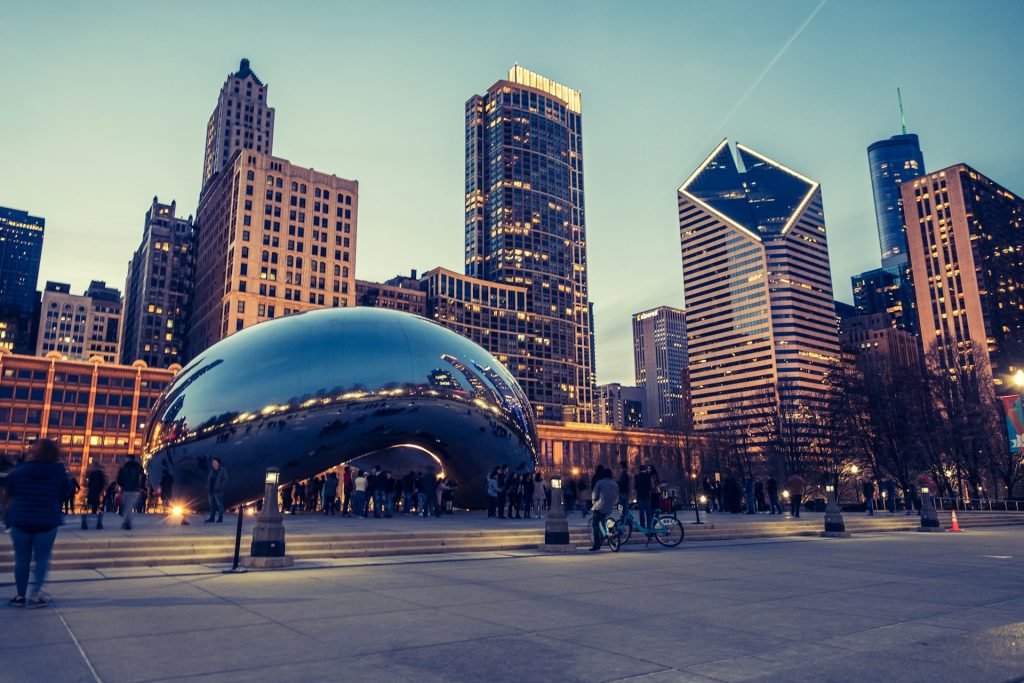
Chicago can be lively well past sunset, but the city also contains corridors where residents say walking alone at night is unwise. The shift often comes down to lighting, foot traffic, and the subtle cues people learn from living in a large, layered city. Certain intersections feel isolated once transit slows, and side streets near commercial zones may empty faster than newcomers expect. Neighborhood groups work hard to create steadier nighttime activity through events, added lighting, and block level communication. Chicagoans navigate their city with a mix of confidence and realism, choosing routes that match their sense of the neighborhood rhythm. Their guidance is steady, honest, and rooted in lived understanding.
Philadelphia
 Master Wen/Unsplash
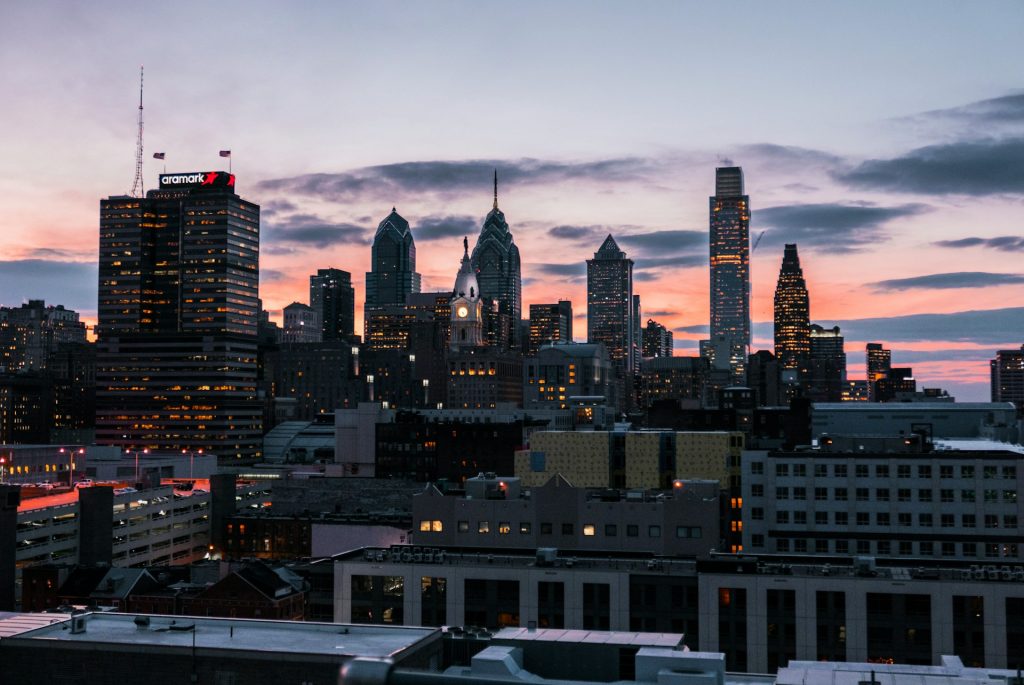
Philadelphia blends lively restaurant districts with quieter blocks that change character as soon as stores close for the night. Residents talk about certain stretches near older rowhouse districts or transit hubs where the absence of movement creates a sense of exposure. These observations are not meant to alarm but to help others make choices that feel grounded and aware. Neighborhood meetings, community boards, and merchants share information openly so people can adjust routes or travel in small groups when needed. Philadelphians value self reliance, yet they also lean on a deep culture of neighborly cooperation that makes nighttime caution feel like a shared ritual rather than an individual burden.
Oakland
 Dllu, CC BY-SA 4.0 / Wikimedia Commons
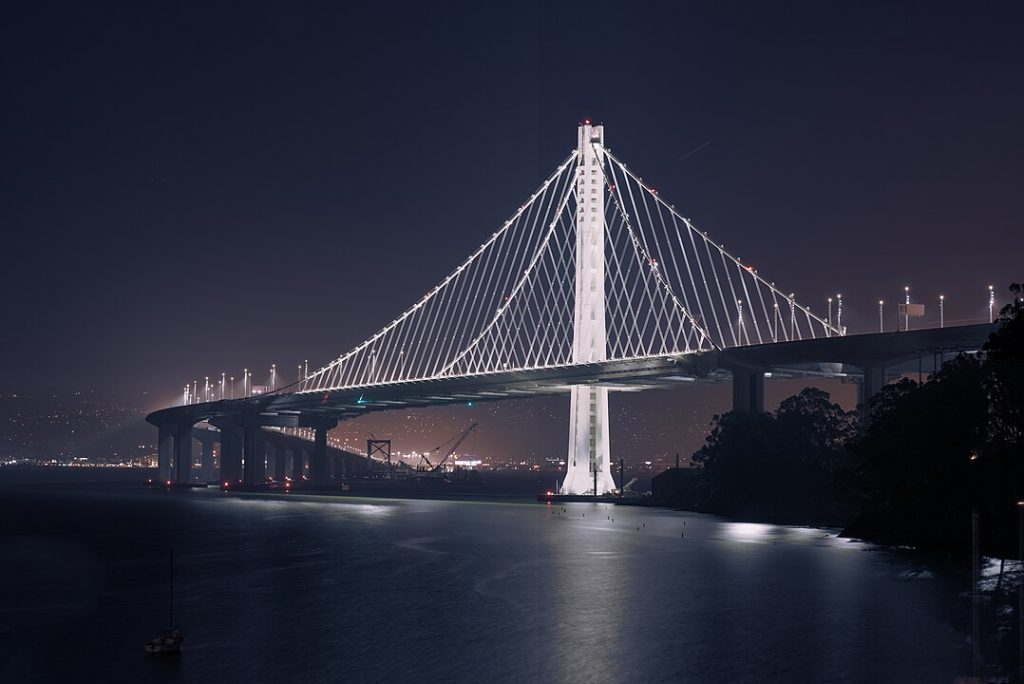
Oakland is known for its energy, creativity, and community strength, yet longtime residents understand how quickly the tone of a block can shift once the streets quiet down. Certain corridors lose their sense of presence when venues close and foot traffic dips, leaving long stretches without the comfort of nearby activity. Locals often choose to travel with friends after evening events or use shared rides rather than walk through areas that feel too still. Neighborhood patrols, community events, and youth programs help restore a sense of continuity, reminding people that public space belongs to them. Residents treat nighttime caution as a thoughtful choice shaped by love for their city, not fear of it.
Washington, D.C.
 Heidi Kaden/Unsplash
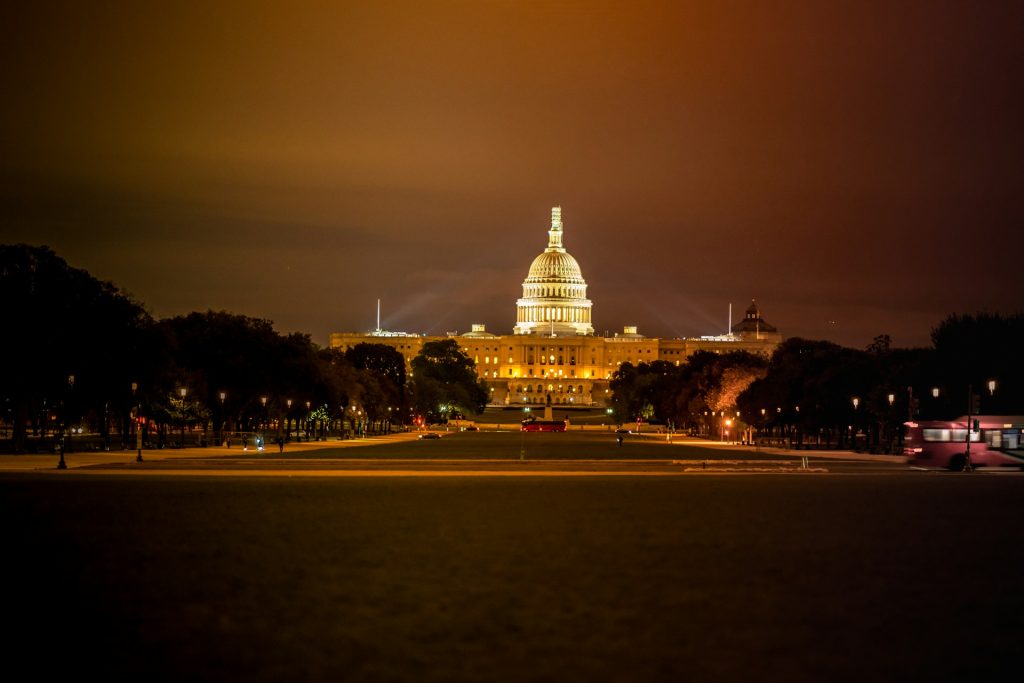
Washington, D.C. is filled with bright avenues and steady crowds, but those who know the city well point to pockets that grow quiet enough at night to warrant extra care. Residential zones with inconsistent lighting or long distances between active corners often feel disconnected from the busier routes nearby. Locals map out predictable paths that stay close to commercial corridors or transit stations, and community groups work with city agencies to strengthen lighting and encourage shared travel among neighbors. The approach is calm and measured. People simply acknowledge the rhythms of the city and move through them with intention.
Like this post? share it, or pin it for later!
Like this:
Like Loading…
Related
Please visit:
Our Sponsor