
From safeguarding wildlife near the thunderous edge of Victoria Falls to transforming daily life for women and girls in northern Tanzania, these Tauck Impact partnerships demonstrate how purpose-driven travel can help create lasting, positive change. Explore the stories below to see how your journeys with Tauck help support this essential work.
Guardians of the falls: How Victoria Falls Wildlife Trust protects the wild heart of Africa
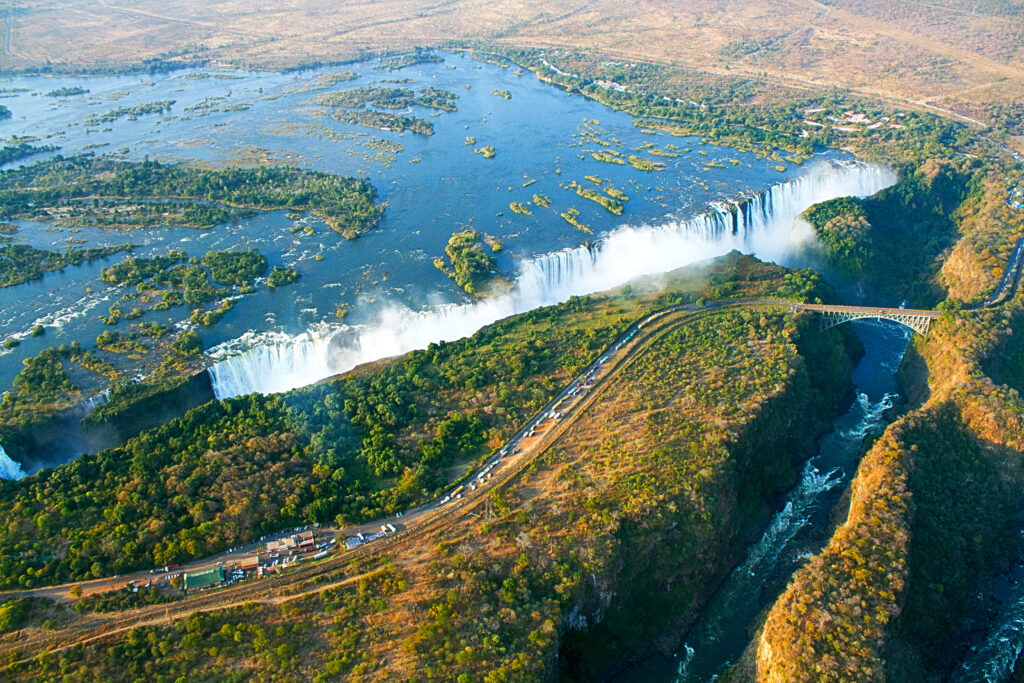
At Tauck, we believe travel has the power to shape a better world. Every journey is designed with intention – to leave a lasting impression on our guests and a positive impact on the people and places we touch. In Zimbabwe, that commitment takes life through our partnership with the Victoria Falls Wildlife Trust (VFWT) – a relationship rooted in shared purpose, passion, and care for one of the most extraordinary ecosystems on Earth.
Protecting what’s wild – and what’s worth preserving
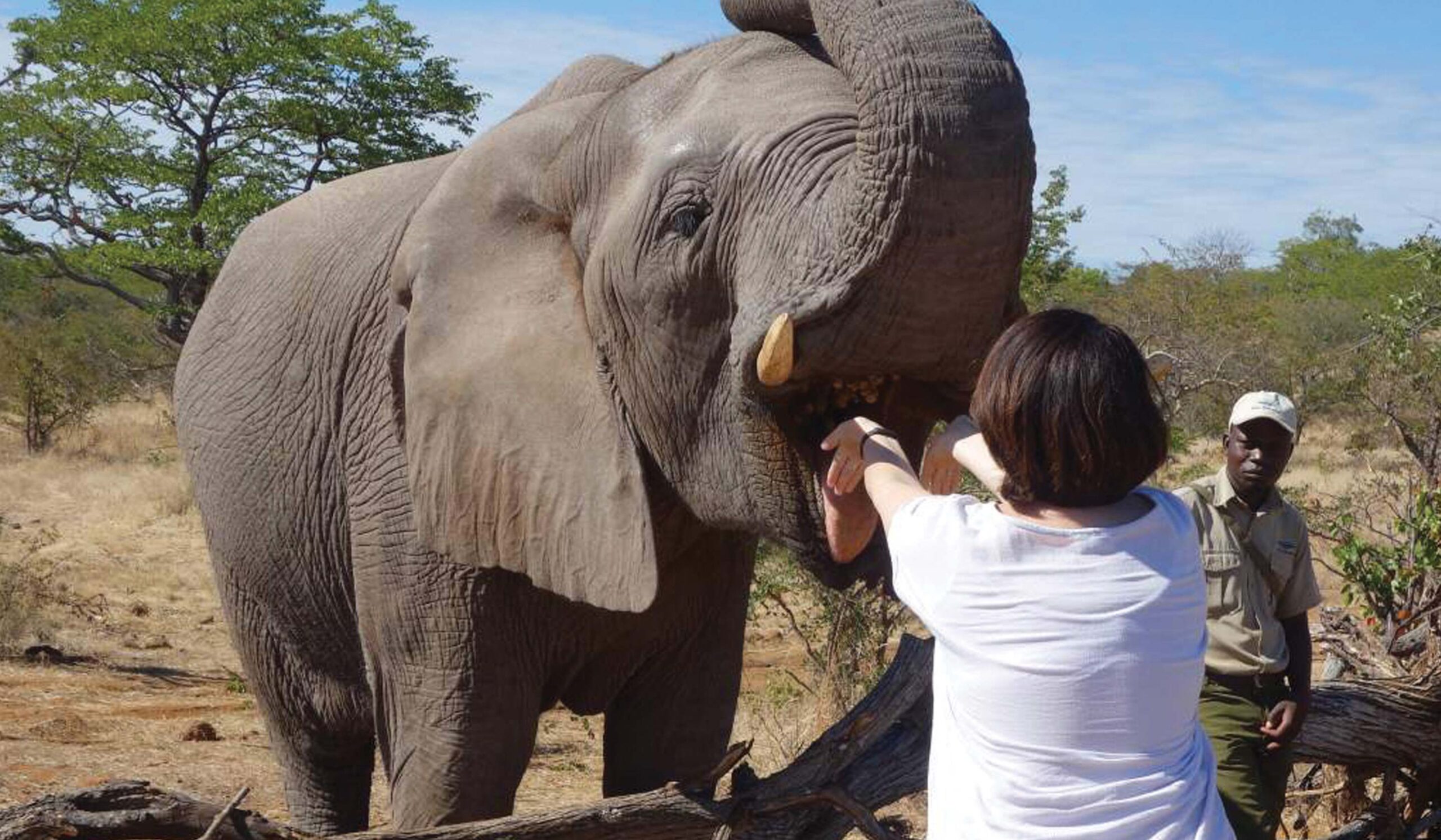
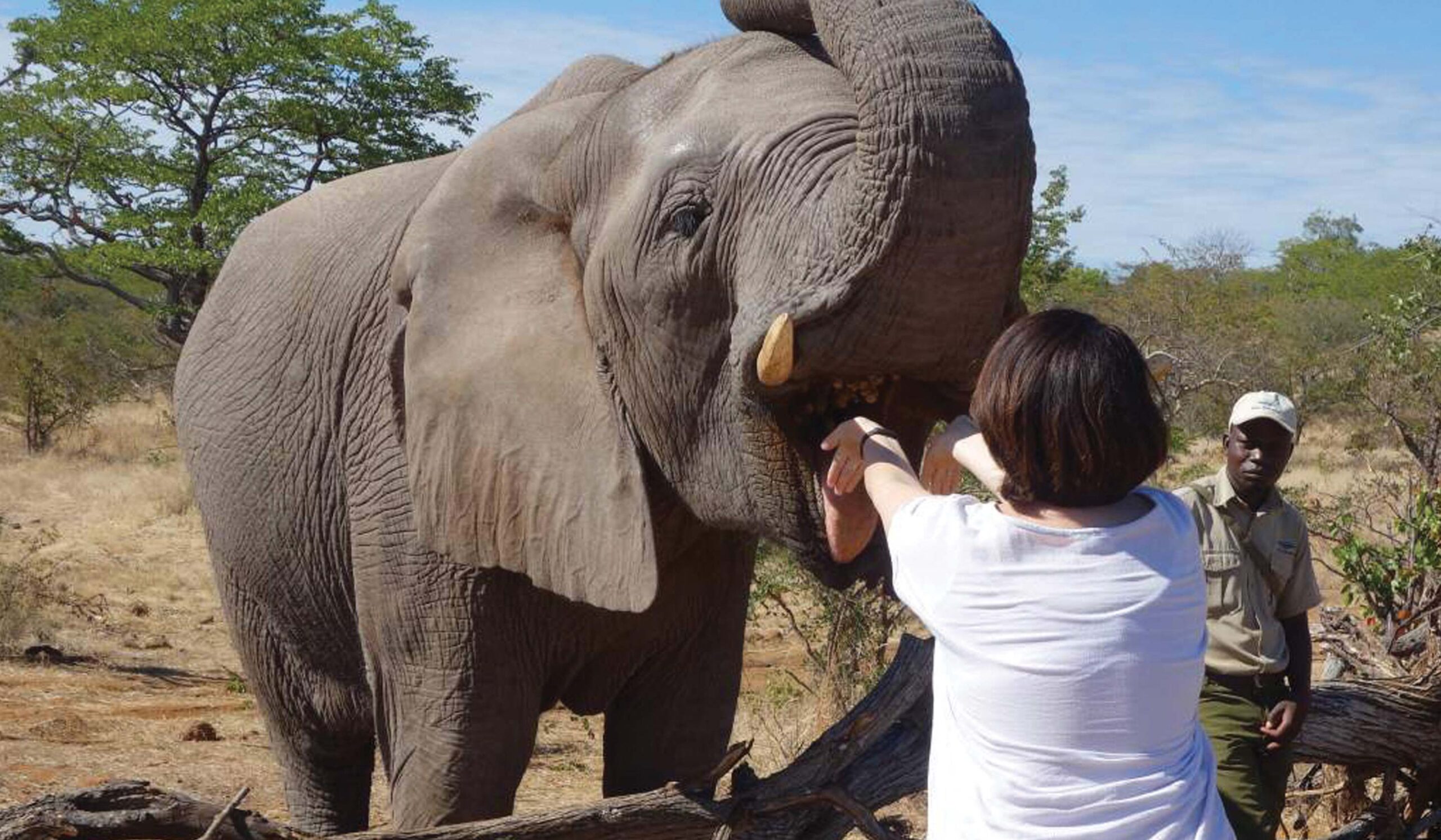
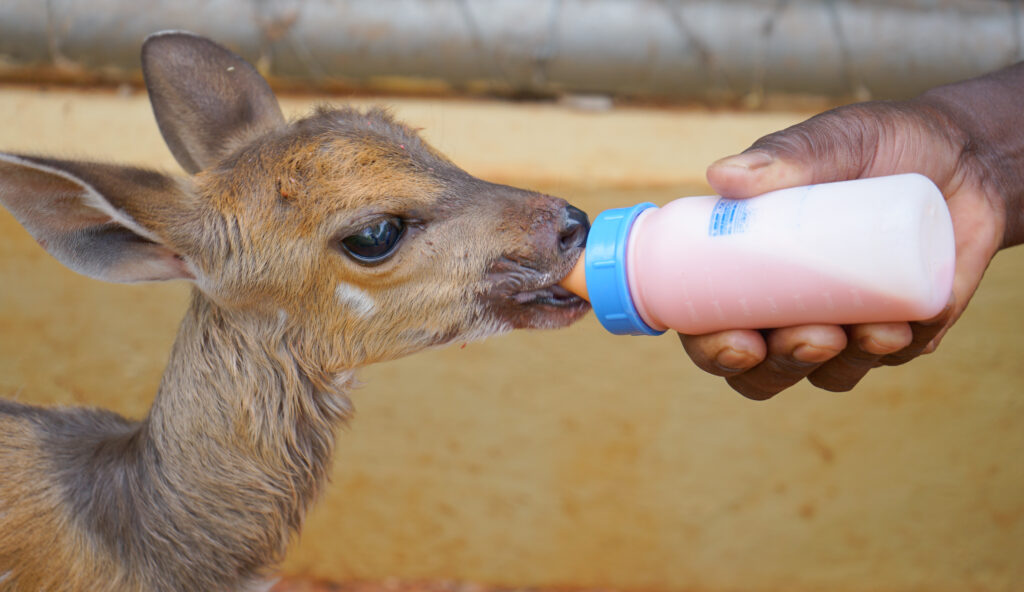
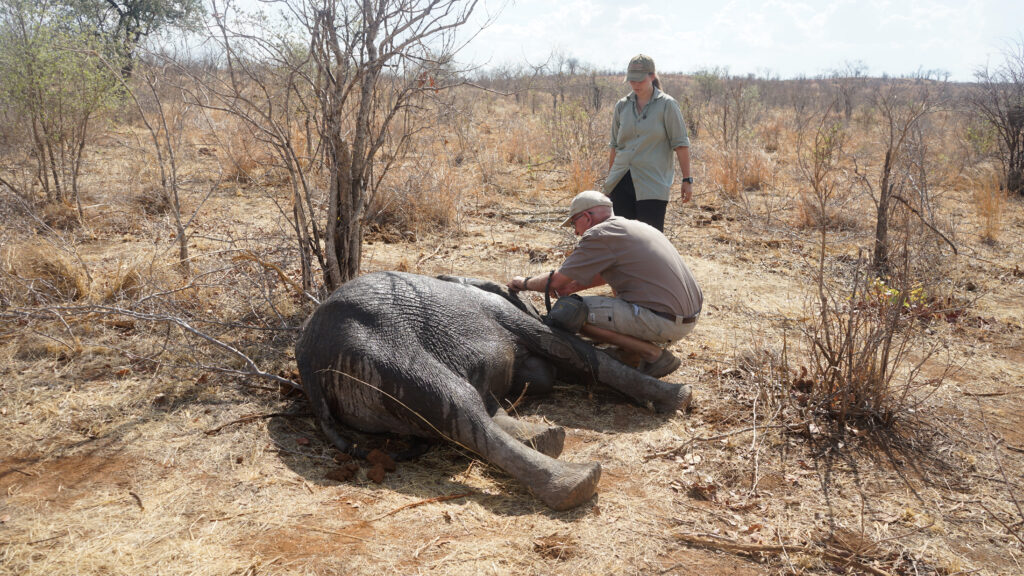
Just beyond the mist of the world-famous falls, the Victoria Falls Wildlife Trust stands as a beacon of conservation and compassion. Supported through Tauck’s Impact grants and on-the-ground collaboration, VFWT works to protect vulnerable wildlife, preserve natural habitats, and empower the rural communities who call this region home.
Their work spans rescue and rehabilitation, forensic science, species protection, and community education – all grounded in the belief that people and wildlife can thrive together.
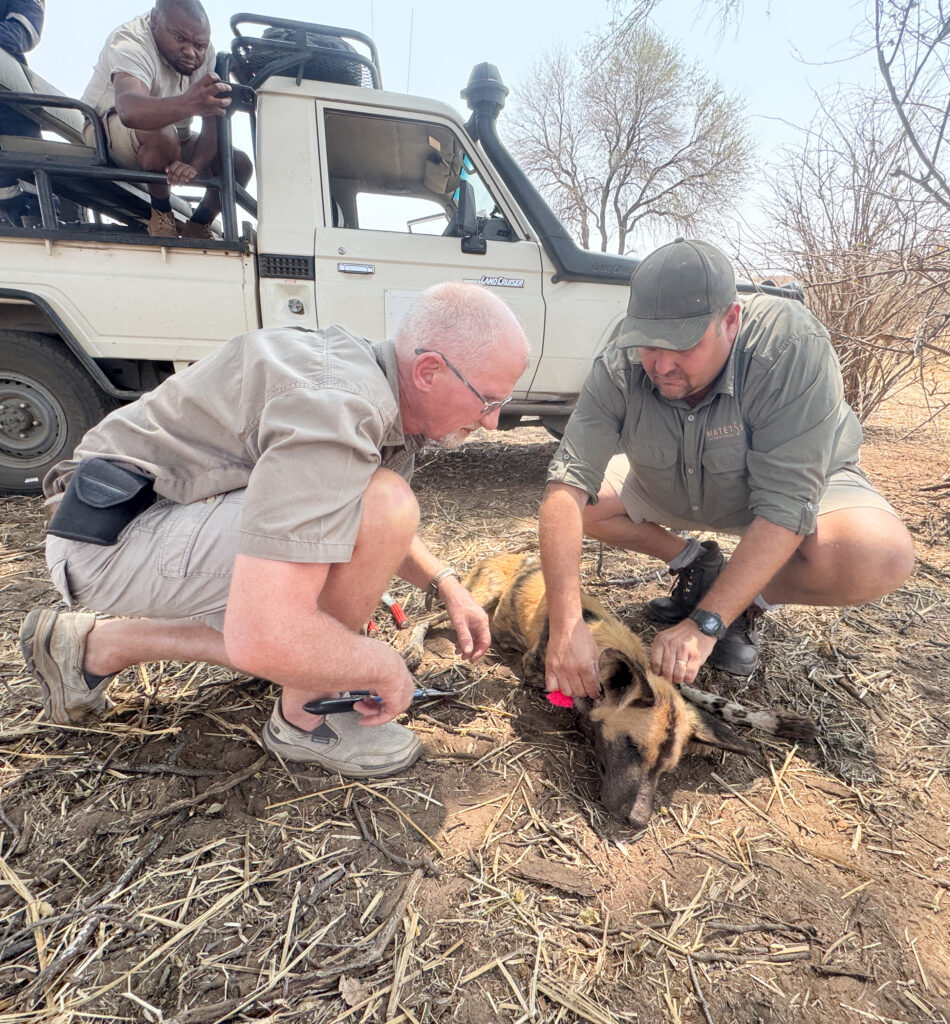
In 2024, amid one of the region’s most severe droughts on record, VFWT’s team continued to deliver hope and measurable progress:
- 6,523 wildlife laboratory procedures advanced understanding of diseases and genetics critical to conservation.
- 53 snares removed – the Trust’s busiest year yet in combating poaching.
- 13 animals rehabilitated, including elephants, kudus, and raptors, and safely returned to the wild.
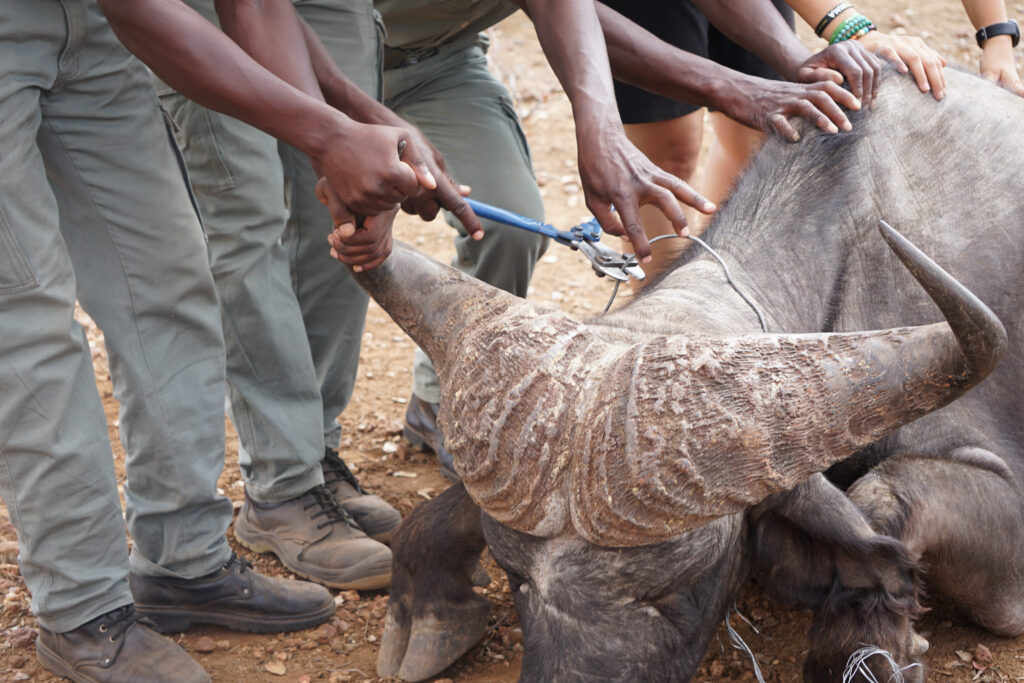
- 30 rhinos dehorned and seven fitted with horn transmitters, strengthening anti-poaching protection.
- Zero lions lost to human-wildlife conflict, thanks to innovative alert systems and community guardian programs.
- 1,200+ local participants, including nearly a thousand students, engaged in conservation education across 37 schools.
- 216 smallholder farmers supported through the Herding 4 Hope initiative, promoting sustainable grazing and resilience through drought.
Each statistic tells a story of persistence – of veterinarians, rangers, and educators working together to safeguard the future of wildlife and community livelihoods alike.
A model for coexistence
VFWT’s programs go far beyond rescue. Through initiatives like mobile predator-proof bomas, early-warning lion tracking systems, and agribusiness training for women, they’re helping local people and wildlife share space – and success.
In the village of Woodlands, for example, satellite-collared lions now trigger instant WhatsApp alerts when they cross into grazing zones, giving farmers precious time to move livestock. In Hwange West, mobile bomas and drought-resistant fodder support helped communities record a 70% calving rate even in the harshest conditions.
This is conservation in action – rooted in collaboration, grounded in respect, and driven by optimism for what’s possible.
Travel that sustains
When Tauck guests stand before Victoria Falls – feeling the thunder of the water and the hum of life all around them – they’re not just witnessing a wonder of the world. They’re actively helping protect it.
A portion of every Tauck journey through Southern Africa supports partners like the Victoria Falls Wildlife Trust, helping to fund the science, education, and community programs that keep this wild landscape thriving.
Together, we’re ensuring that the roar of the Falls continues to echo across generations – a living reminder that when we travel with purpose, we create a world worth returning to.
Watering communities with change: Ending the walk to water
For many of us, rain has long been a symbol of gloominess – a natural symbol of loss and melancholy. For some, rainy days are a welcome excuse to slow down, curl up with a book, or sit down to a movie marathon. When you live where rain is common, you rarely stop to think how fortunate you are to hear it tap dancing on your roof.
Though for a growing number of women across villages in Tanzania, the sound of rain brings something very different. It now carries relief, promise, and hope with every drop.
It’s a privilege to only walk a couple of feet to refill a water bottle, take a shower, clean your clothes, and water your plants – always trusting that water will flow when you turn the tap. Yet, across the globe, 2.2 billion people are without access to safe water. And in Tanzania, 88% of people must hunt for it daily – and almost all of them are women.
Here, the weight of domestic life falls on the shoulders of women. Girls learn early to help their mothers and grandmothers, and many never finish school; more than half leave before completing primary education because hours of cooking, cleaning, and collecting water leave no time to study.
A hydration route
The search for water begins before sunrise. The air is cool then, the light just soft enough for the women and girls who step onto the dirt paths with empty jerry cans in hand – some led by donkeys to help carry the weight.
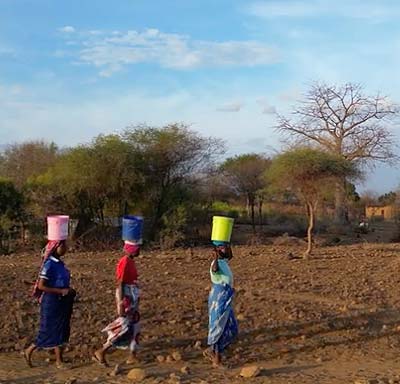
For many, it’s a journey they’ve made every day of their lives. They’ll walk for hours – past fields gone dry, along dusty roads, and through valleys where rivers once ran – to reach a stream or shallow well that might still hold a trickle of water. They’ll return home when the sun is high and cross off the first task on their to-do list. The day is only beginning.
For some, that’s six hours a day, every day, just to find enough water to drink, cook, and clean. If a woman walked three hours daily for fifty years, that would amount to more than six years of her life spent on this one task.
And these walks are never easy. The roads are long and dangers shadow them. Dried-out riverbeds cut across the landscape, forcing detours through thickets and isolated stretches of land. Women walk in groups when they can, not for company but for protection. 69% of women in Tanzania report being attacked while collecting water – many more than once. The fear of violence, whether from strangers or even those within their own communities, is constant.
But even when water is found, there’s no guarantee it will bring relief. Wells that once offered safety now carry high levels of fluoride and arsenic, a silent poison that seeps into the body over time. In some villages, the only water source lies miles away, a stagnant pond shared with livestock. Women fill their containers anyway because there’s no other choice. 74% of families suffer water-related illnesses at least one week every month that keep children from school and parents from work.
Back home, water is rationed carefully – first for drinking, then cooking, then cleaning. Sometimes there’s not enough left for bathing or washing clothes.
For something so basic, so vital, so fluid – water has long been anything but.
A solution from the skies
But hope, like rain, can come suddenly – and change everything.
According to The Guardian, Tanzania ranks among the “10 most improved countries” worldwide for water sanitation – progress driven by organizations like Save the Rain.
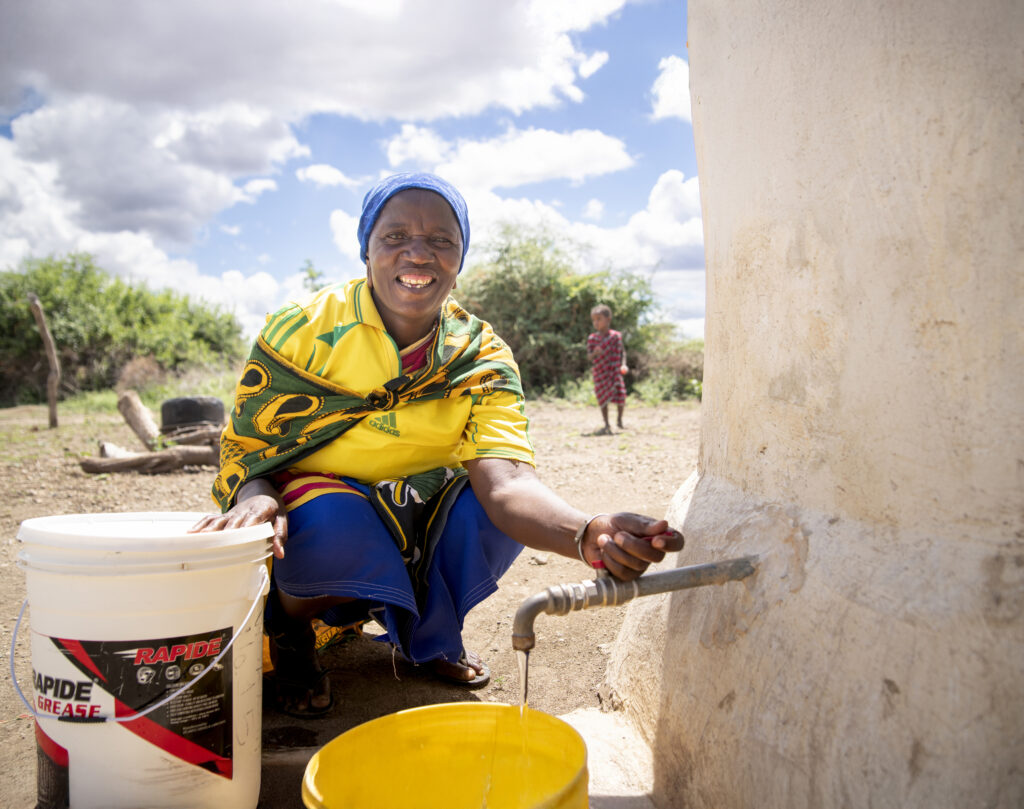
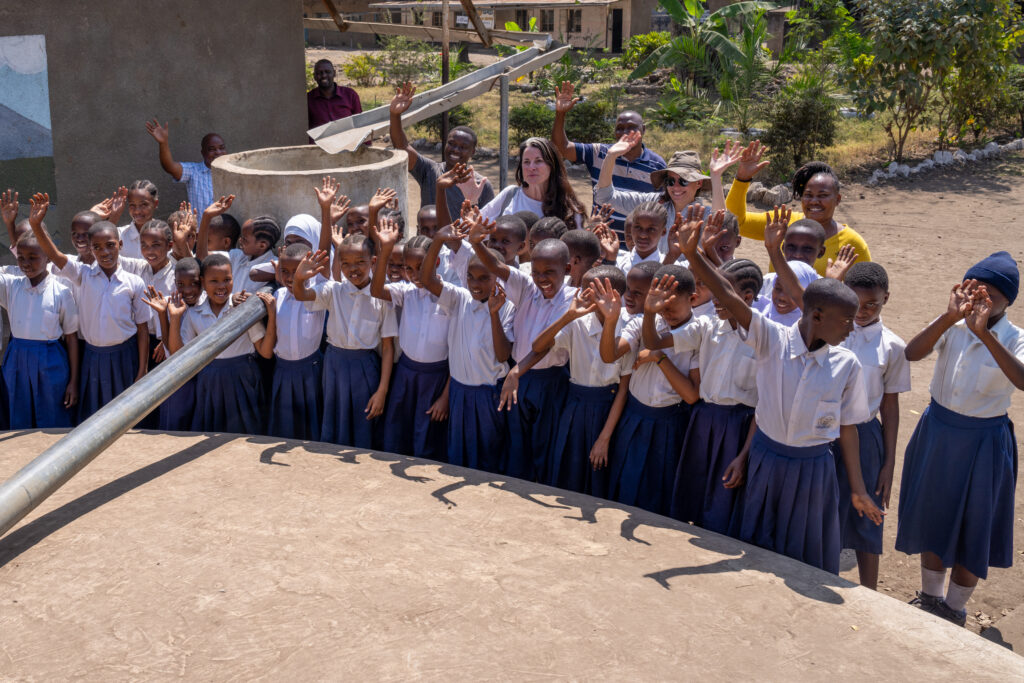
Founded in 2005, Save the Rain began with a single idea: harvest the rain to save lives. Since then, more than 6,500 rainwater systems have been built across schools and homes. Just one inch of rain on a 500-square-foot roof produces 300 gallons of water – enough to replace 30 days of walking. Each system empowers women through training and employment, creating a ripple effect of skill, pride, and self-reliance.
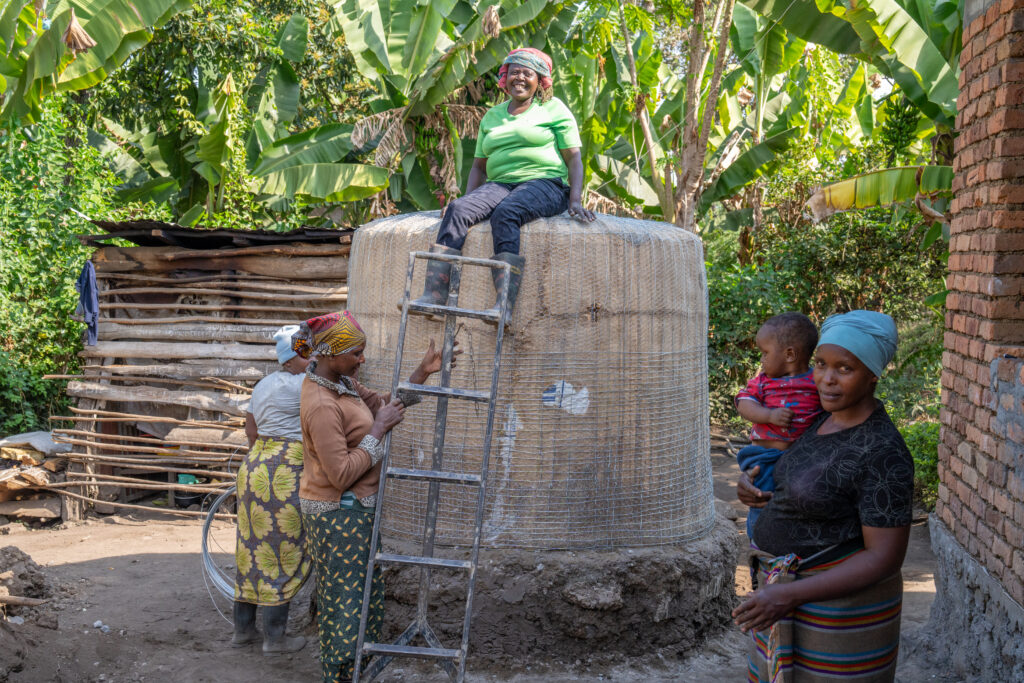
Water changes the flow of everything. Gardens bloom. Hygiene improves. Children return to school. And women, once bound by the daily walk for survival, finally have the freedom of time.
The results speak volumes:
- 4,710 families now have clean water at home
- 365 tanks have been built at schools
- 2,780 people trained in tank construction
- 96% of children report no water-related illness
- 98% of girls are back in school
Blossoming communities
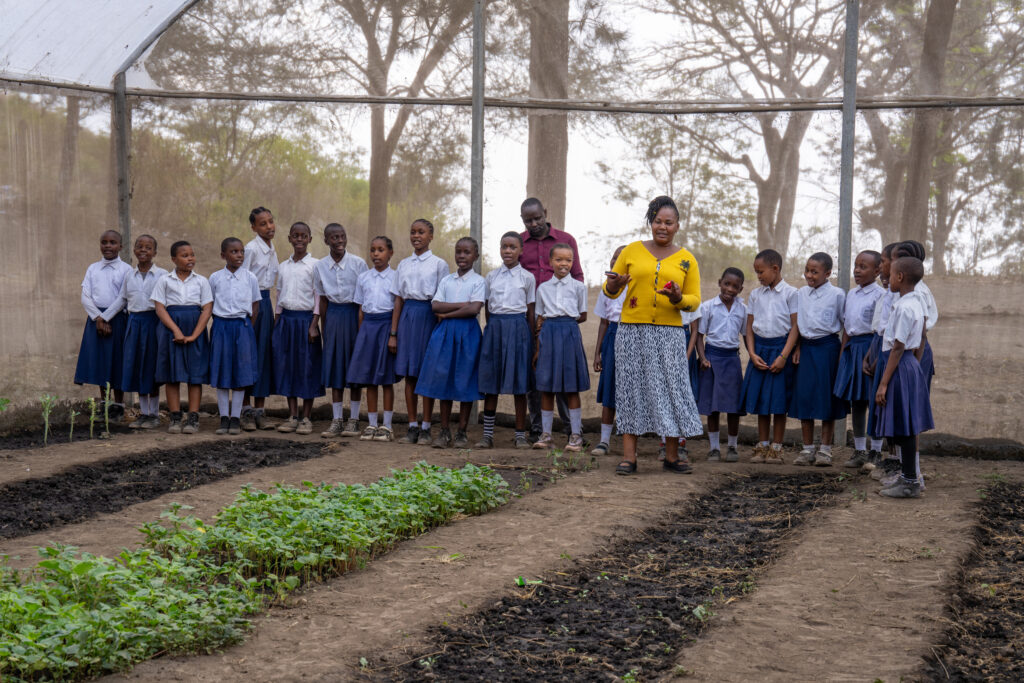
Since 2006, our partnership with Save the Rain has helped bring clean water, food security, and opportunity to 380 households and 4 primary schools across 7 communities in Northern Tanzania. Together, we’ve supported the installation of rainwater harvesting systems and greenhouses – turning rooftops into resources and rainfall into resilience.
Over the course of our partnership, we’ve helped install 40 residential rainwater systems, providing clean water to more than 1,000 individuals.
Our partnership continues to evolve, expanding to include a bio-fuel program for schools – helping communities become more sustainable and self-sufficient.
Because when it rains, hope grows. And change begins.
One drop at a time.

Read more Tauck Impact stories →
Please visit:
Our Sponsor