
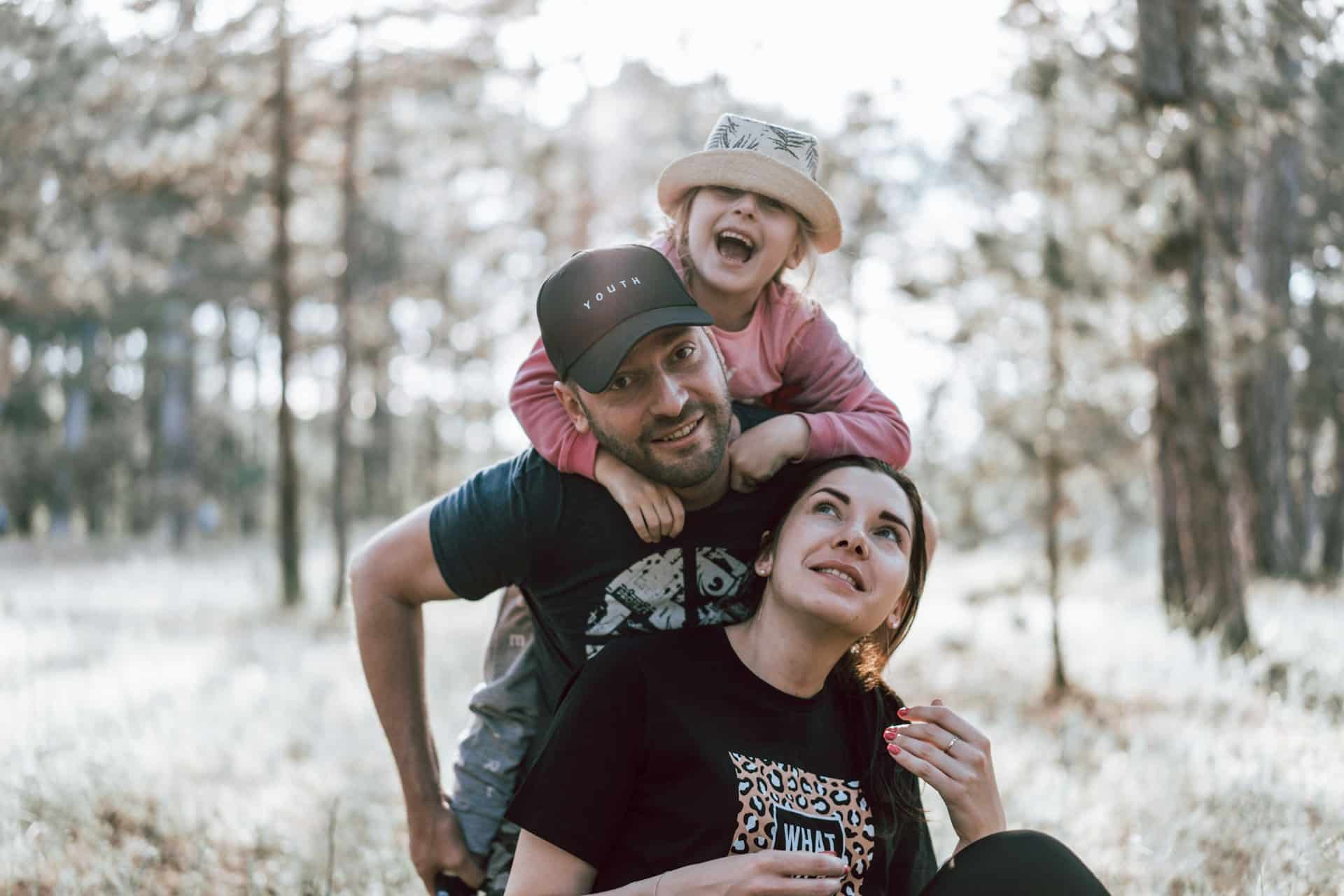
Travel is one of the most powerful real-world classrooms parents can offer their children. On the road, kids naturally practice responsibility, independence, and empathy in ways that are hard to replicate at home. Travel disrupts routine just enough to push kids to grow, while still keeping them supported and safe.
Why Travel Is a Powerful Teacher
 Source
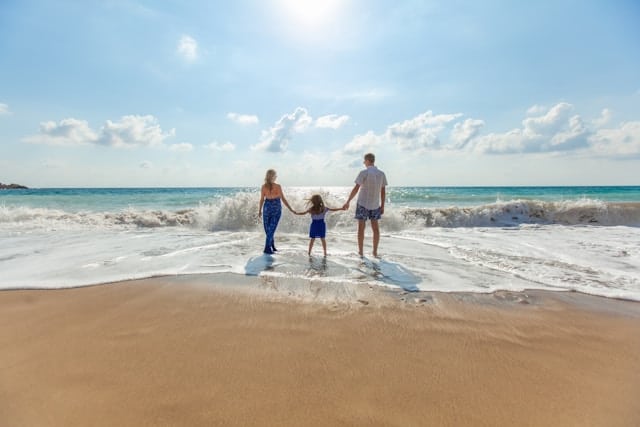
Travel places children in unfamiliar environments where they must adapt, observe, and make decisions. They encounter new people, cultures, foods, and routines, which encourages them to think beyond themselves and consider how their actions affect others. In these situations, responsibility stops being an abstract idea and becomes something they actually live out every day.
When kids help solve small travel challenges, such as finding the right platform, remembering their bag, or staying on budget, they experience both the natural consequences of their choices and the satisfaction of doing things well. Those “small wins” add up, building confidence and a sense of competence that carries into school and home life.
Building Responsibility Before You Leave
Responsibility lessons can start well before you lock the front door. Involving children in the planning and preparation phase helps them understand that travel is a shared effort, not something that just “happens” around them.
- Ask younger kids to help choose a destination activity, such as a museum, a park, or a kid-friendly tour.
- Let older kids research transport options, attractions, or local foods and present their ideas to the family.
- Create a simple trip checklist together so everyone sees what must be done before departure—laundry, packing, pet care, or house-sitting arrangements.
This early involvement teaches kids that good trips depend on good preparation. They begin to connect planning with outcomes, a core aspect of responsible behavior.
Using Educational Resources on the Road
Travel is the perfect time to reinforce broader lessons about choices, values, and consequences. High-quality educational resources can help parents frame these conversations in a kid-friendly way.
The Tuttle Twins series offers children’s books and materials that introduce concepts like personal responsibility, decision-making, and understanding how the world works in simple, engaging language. These stories and activities pair well with travel because they show kids that their daily choices—how they treat others, how they use money, how they solve problems—matter wherever they go.
Letting Kids Pack (and Learn from It)
Packing is one of the most practical ways to teach responsibility. Instead of doing everything for your kids, guide them through the process and then step back.
- Provide a clear packing list based on the destination’s weather and activities.
- Have children lay out outfits, toiletries, and comfort items (like a favorite toy or book).
- Check together, but avoid fixing everything for them unless safety is an issue.
If a child forgets something minor, such as a hat or a favorite T-shirt, resist the urge to rescue immediately. Let them experience the inconvenience—then talk about how better preparation could help next time. This gentle exposure to natural consequences is an effective way to encourage more thoughtful behavior on future trips.
Teaching Money Management on the Go
Travel naturally creates situations where kids must make choices about how to spend limited resources. Rather than buying every snack and souvenir on demand, use the trip to introduce or deepen money lessons.
- Give each child a set daily or trip-long budget for extras like souvenirs, treats, or arcade games.
- Help them compare prices, weigh options, and think about what will have lasting value.
- Encourage them to keep a simple spending log so they can see where their money goes.
Assigning Roles and Responsibilities
 Source
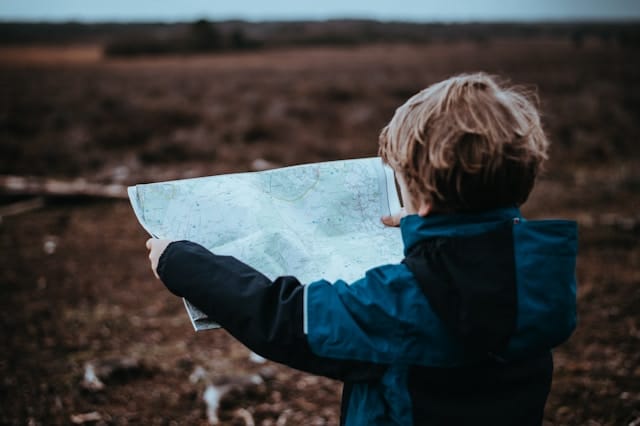
Sharing clear roles during travel helps kids feel included and accountable. When children see that the family is counting on them for specific tasks, they tend to rise to the occasion.
Consider assigning roles such as:
- Navigator: Helps follow the map, look for street names or platform numbers, and keep an eye on directions.
- Timekeeper: Watches the clock so the family leaves on time for tours, trains, or flights.
- Snack or Water Manager: Keeps track of reusable bottles and makes sure they are filled before heading out.
- Language Helper: Practices and uses key phrases in the local language, like “please,” “thank you,” and “hello.”
Rotate these roles so each child gets a chance to try different responsibilities. Praise effort, not just perfection. Even if things don’t go smoothly, the act of trying and adjusting builds resilience and problem-solving skills.
Get inspired:
Practicing Respect and Empathy in New Places
Travel is an ideal opportunity to help kids see themselves as guests in other communities. Before and during the trip, talk about what it means to be a respectful visitor.
- Discuss local customs, basic etiquette, and any cultural or religious norms that might affect dress, behavior, or photography.
- Explain why it matters to respect other people’s spaces, traditions, and schedules (for example, being quiet in temples, churches, or museums).
- Encourage children to notice differences without mocking or judging and to ask curious, respectful questions instead.
Handling Travel Challenges Together
No trip goes perfectly. Delays, missed connections, lost items, and fatigue are inevitable at some point. These moments, while stressful, are incredibly rich teaching opportunities.
When something goes wrong:
- Stay calm and model the behavior you want to see, even if you are frustrated.
- Involve your children in brainstorming solutions instead of fixing everything yourself.
- After the situation is resolved, talk briefly about what happened and what you all might do differently next time.
Encouraging Reflection After Each Day
Reflection turns travel experiences into lasting lessons. Even five minutes at the end of each day can make a big difference.
You might ask questions such as:
- “What’s one thing you did today that you’re proud of?”
- “What was challenging today, and how did you handle it?”
- “What would you do differently if we had the same day again?”
Bringing Travel Lessons Back Home
The most powerful sign that travel has taught your children responsibility is when those new habits follow you home. After the trip, look for ways to maintain the same expectations and structures:
- Keep chores, budgeting, and planning conversations alive in daily life.
- Ask your kids to help plan local outings or weekend activities.
- Revisit photos or journal entries to remind them of times they handled tough situations well.
Conclusion
By treating travel as more than a break from routine—as a moving classroom where kids practice real-life skills—you give your children a strong foundation for responsible, thoughtful adulthood. Each journey becomes more than a getaway; it becomes a practical step toward raising capable, confident, and caring young people.
Please visit:
Our Sponsor