
Home » European Travel News » Copenhagen Joins Florence, Brussels, Lisbon, Dubrovnik, and More as the Must-Visit TOP Destinations of Europe for 2026: Uncover the Ultimate Blend of Culture, Sustainability, and Unforgettable Experiences Awaiting You in These Vibrant Cities – Explore Now!
Published on December 12, 2025
Europe’s grand tapestry of culture, cuisine, coastlines and heritage will be reinvented in 2026 as new travel trends emerge and both historic and lesser‑known destinations rise to the forefront of global tourism interest. Travellers from around the world are now planning ambitious itineraries that combine timeless city experiences with serene escapes and sustainable travel initiatives, backed by official tourism sources and reports on industry trends of Europe. Copenhagen ,Lisbon ,Brussels, Florence, Dubrovnik are some of the few cities which has observed a surge in it’s tourism.
Florence, Italy : Renaissance Art, Culture and Timeless Beauty Await
Florence continues to be a standout Europe travel destination for 2026, drawing visitors with its unmatched artistic heritage and world‑class cultural institutions. In anticipation of next year, Florence has prepared special exhibitions celebrating centuries of artistic brilliance, making it a must‑see on any European holiday list.
Advertisement
Florence offers a rich blend of art, history, food, and culture that will leave you enchanted. Whether you’re exploring world-famous museums, admiring breathtaking views from historic towers, or simply enjoying the local cuisine, Florence provides unforgettable experiences for every traveler. Here are some of the top things to do while in Florence:
1. Visit the Uffizi Gallery
- The Uffizi Gallery is one of the world’s most renowned art museums. It houses masterpieces by Botticelli, Leonardo da Vinci, Raphael, and Michelangelo. Don’t miss Botticelli’s The Birth of Venus and Da Vinci’s Annunciation. The museum is a must-see for any art lover, offering a deep dive into the heart of the Renaissance.
2. Admire the Duomo (Cathedral of Santa Maria del Fiore)
- Florence’s iconic cathedral, with its magnificent dome designed by Filippo Brunelleschi, is a symbol of the city. Visitors can climb to the top of the dome for a breathtaking panoramic view of Florence and the surrounding Tuscan countryside. The cathedral also houses incredible artworks, including frescoes by Giorgio Vasari.
3. Walk Through the Boboli Gardens
- Located behind the Pitti Palace, the Boboli Gardens are an exquisite example of Italian garden design. Stroll through its beautifully landscaped grounds, adorned with fountains, statues, and grottos, and enjoy a peaceful break from the bustling city.
4. Cross the Ponte Vecchio
- The Ponte Vecchio is a picturesque medieval bridge lined with shops selling jewelry, art, and souvenirs. Walking across the bridge offers a beautiful view of the Arno River, and it’s the perfect spot for a romantic photo op.
5. Explore the Accademia Gallery
Home to Michelangelo’s David, the Accademia Gallery is another must-visit museum in Florence. The museum not only showcases Michelangelo’s unfinished works but also features collections of Renaissance paintings, making it a key stop for art history enthusiasts.
Lisbon, Portugal: Coastal Charm and Creative Energy Fuel Growth
Lisbon maintains strong momentum for 2026, combining its classic pastel rooftops and historic trams with a contemporary edge that attracts culture seekers and food lovers alike. As one of Europe’s most dynamic capitals, Portugal’s largest city boasts a creative and culinary boom that continues to expand. Waterfront neighbourhoods host pop‑up markets and vibrant art spaces, making it a compelling destination for travelers who seek beauty, tradition and innovation in equal measure. Here’s a guide to the top things to do in Lisbon:
1. Explore the Belém Tower and Jerónimos Monastery
- Both of these UNESCO World Heritage sites are key highlights of Lisbon’s rich history. The Belém Tower, located on the banks of the Tagus River, was built in the 16th century as a defense fortification. Just a short walk away, the Jerónimos Monastery is a stunning example of Manueline architecture and houses the tomb of Vasco da Gama. Together, they tell the story of Portugal’s Age of Exploration.
2. Stroll Through the Alfama District
- The Alfama district is one of Lisbon’s most iconic areas, offering narrow streets, colourful houses, and a labyrinth of alleys. This historic neighborhood is the heart of Fado music, and you’ll find many restaurants offering live Fado performances. Don’t miss the São Jorge Castle, which provides panoramic views of the city.
3. Ride the Iconic Tram 28
- No trip to Lisbon is complete without taking a ride on the famous Tram 28, which winds its way through the city’s most historic and scenic areas, including Graça, Baixa, and Alfama. It’s a fun way to see the city’s beautiful streets, offering a glimpse of Lisbon’s architecture, local life, and stunning vistas.
4. Visit the MAAT – Museum of Art, Architecture and Technology
- For those interested in modern art and architecture, the MAAT is a must-visit. Located along the river, its sleek, futuristic design is a sight in itself. The museum hosts a range of exhibitions focusing on contemporary art, architecture, and technology. The rooftop also offers spectacular views of the river and the city.
5. Admire the Views from Miradouros
Lisbon is known for its breathtaking viewpoints, or miradouros, offering panoramic vistas of the city and the Tagus River. Miradouro da Senhora do Monte is one of the most popular and offers one of the best views of Lisbon. Another great spot is Miradouro de Santa Catarina, where you can relax and watch the sunset with a drink in hand.
Advertisement
Copenhagen, Denmark: Design, Green Progress and Urban Cool
Copenhagen represents the future of thoughtful European city breaks in 2026. This Danish capital’s forward‑looking design, widespread cycling culture, clean urban spaces and inventive gastronomy firmly position it among Europe’s top travel experiences. Official EU tourism platforms promote Copenhagen’s blend of sustainability with urban sophistication, encouraging visitors to enjoy pedestrian avenues, lively harbour fronts and cultural venues that reflect Denmark’s emphasis on quality of life and green innovation. Here’s some of the things to do in Copenhagen:
1. Visit the Tivoli Gardens
- One of the world’s oldest amusement parks, Tivoli Gardens offers a delightful mix of thrilling rides, charming gardens, and cultural performances. Opened in 1843, Tivoli is a must-visit for families, offering everything from roller coasters to peaceful boat rides. It’s especially magical at night when the park lights up with thousands of twinkling lights.
2. Explore Nyhavn Harbour
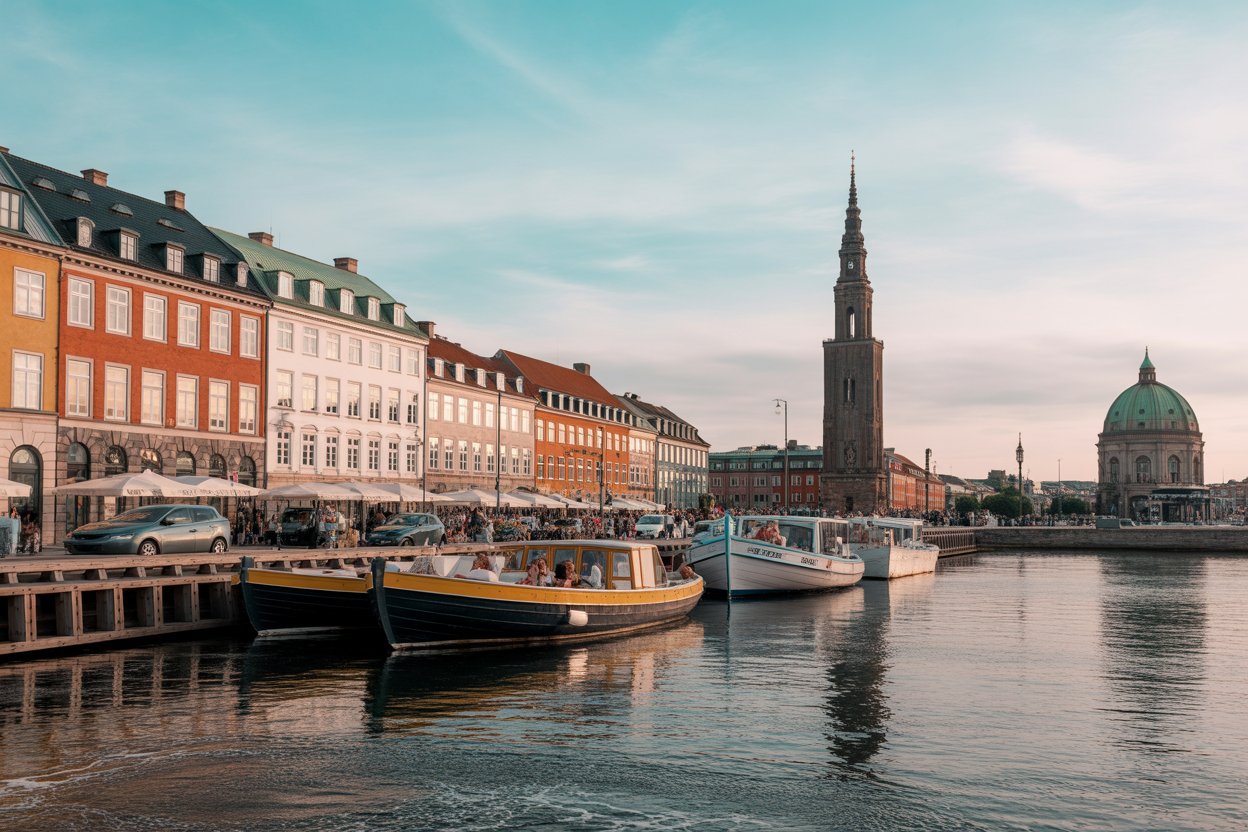
- Nyhavn is one of Copenhagen’s most iconic spots. The colourful, historic buildings lining the canal are perfect for a scenic stroll. The area is also home to a variety of cafes and restaurants, where you can enjoy Danish delicacies while watching the boats drift by. Don’t forget to take a boat tour of the canals, which offers a unique perspective of the city.
3. Visit The Little Mermaid Statue
- Inspired by Hans Christian Andersen’s famous fairy tale, the Little Mermaid statue has become one of Copenhagen’s most visited landmarks. While the statue is small in size, it’s an iconic symbol of the city’s literary history. A visit to the statue provides a perfect opportunity for photos with the picturesque backdrop of the water.
4. Discover the National Museum of Denmark
- The National Museum of Denmark is a treasure trove of Danish history and culture. From Viking artifacts to medieval collections, the museum offers a comprehensive look at Denmark’s past. The museum’s exhibits on the Vikings are particularly fascinating and provide insight into Denmark’s role in early European history.
5. Stroll Through the Rosenborg Castle
Rosenborg Castle is a stunning Renaissance castle located in the heart of Copenhagen. Home to the Danish royal family’s crown jewels and other royal treasures, the castle is a must-visit for anyone interested in Danish history and royalty. The lush gardens surrounding the castle also offer a tranquil escape from the city.
Peloponnese, Greece: History and Tranquility in One Region
The Peloponnese peninsula in Greece is capturing attention as an ideal blend of ancient heritage and unspoiled Mediterranean landscape. With archaeological sites, peaceful beaches and emerging eco‑friendly boutique accommodations, this region is becoming a favourite for visitors who want both Greek history and leisurely escapes without large crowds. Tourism observers highlight Peloponnese’s unique balance of culture and calm for 2026, appealing to travellers craving relaxed yet enriching journeys. Here’s a guide to the top things to do in this captivating region:
1. Explore Ancient Olympia
- Ancient Olympia, the birthplace of the Olympic Games, is a must-visit site for anyone interested in history. Wander through the ruins of the ancient stadium, the Temple of Zeus, and the ancient gymnasium where athletes trained. The site is also home to the Archaeological Museum of Olympia, which showcases fascinating artifacts from the ancient Games, including the famous statue of Hermes by Praxiteles.
2. Visit the Ancient Theatre of Epidaurus
- Known for its exceptional acoustics, the Ancient Theatre of Epidaurus is a marvel of ancient Greek architecture. This theatre, still used for performances today, is considered one of the best-preserved ancient theatres in the world. If you’re lucky, you might catch a performance of ancient Greek drama under the stars. The nearby Sanctuary of Asclepius, dedicated to the ancient god of healing, is also worth exploring.
3. Tour Mycenae and the Tomb of Agamemnon
- Mycenae, once home to the legendary King Agamemnon, is an iconic archaeological site that offers a glimpse into the ancient Greek civilization. The Lion Gate, the Treasury of Atreus, and the Tomb of Agamemnon (also known as the Vaulted Tomb) are among the site’s highlights. Mycenae is a UNESCO World Heritage site and a pivotal place in Greek mythology and history.
4. Discover Nafplio’s Beauty
- Nafplio is one of Greece’s most charming seaside towns, known for its romantic ambiance, cobbled streets, and neoclassical architecture. Visit the Palamidi Fortress, which offers panoramic views of the town and the surrounding sea. The Bourtzi Castle, a small fortress on a tiny island, is another must-see. Nafplio is also a great base for exploring nearby archaeological sites, such as Mycenae and Epidaurus.
5. Relax on the Beaches of Elafonisos
The island of Elafonisos, located off the southeastern coast of Peloponnese, is famous for its pristine, crystal-clear waters and golden sandy beaches. The Simos Beach is especially stunning, with its turquoise waters and serene atmosphere. Elafonisos is perfect for those looking to relax, swim, and unwind in an idyllic setting.
Dubrovnik, Croatia: Adriatic Gem Balances Culture and Coastal Splendour
Dubrovnik on the Croatian Adriatic coast continues to be a major draw, offering medieval city walls, striking seaside views and vibrant cultural festivals. As tourism patterns evolve, Dubrovnik blends its historic allure with a renewed focus on heritage celebrations and coastal experiences that extend beyond peak summer seasons. Official European travel outlooks reaffirm Croatia’s sustained popularity for 2026, where travellers can combine seaside leisure with immersive local traditions.Here’s a guide to the top things to do in Dubrovnik:
1. Walk the City Walls
- Dubrovnik’s City Walls are one of the city’s most famous features and a must-do for anyone visiting. These ancient fortifications offer spectacular views of the Adriatic Sea, the red-tiled roofs of the Old Town, and the surrounding landscapes. Walking the full length of the walls gives you a glimpse into the city’s history while offering unforgettable panoramic views. The walls are well-preserved and provide an excellent vantage point for photos.
2. Explore Dubrovnik Old Town (Stari Grad)
- Dubrovnik’s Old Town is a UNESCO World Heritage site, and for good reason. The narrow, cobblestone streets are lined with beautiful medieval buildings, churches, and squares. Stroll along Stradun, the main street, and explore the many charming alleys, hidden courtyards, and historic landmarks, including Onofrio’s Fountain, the Rector’s Palace, and the Sponza Palace. The Old Town is also home to some fantastic restaurants and shops.
3. Visit Fort Lovrijenac
- Fort Lovrijenac, also known as Dubrovnik’s Gibraltar, is a fortress perched on a rocky outcrop just outside the city walls. It was historically used to defend the city from invaders and offers impressive views over the Old Town and the sea. The fort is also famous for being one of the filming locations for Game of Thrones, standing in as the Red Keep of King’s Landing.
4. Relax on Banje Beach
Banje Beach is the most famous beach near Dubrovnik’s Old Town, offering a stunning view of the city walls and the island of Lokrum. While the beach can get busy during peak summer months, it’s a great place to relax and enjoy the sun, swim in the clear waters, or indulge in water sports. There are also several beach clubs where you can enjoy cocktails and the beautiful surroundings.
5. Take a Game of Thrones Tour
- For Game of Thrones fans, Dubrovnik is a must-visit. The city served as the filming location for King’s Landing, and you can visit several key spots from the show, including Fort Lovrijenac, the Red Keep, and Jesuit Stairs, which were used in scenes featuring the Walk of Shame. There are several guided tours available that take you to these iconic filming locations while providing behind-the-scenes details about the series.
Brussels, Belgium and Frankfurt, Germany: European Culture and Design
Belgium’s capital Brussels is gaining fresh momentum as a cultural hub, with revitalised art spaces and creative districts that reshape what travellers can expect from a European city break. Similarly, Frankfurt in Germany is set to capitalise on its role as World Design Capital for 2026, hosting major events and exhibitions that spotlight innovative architecture and urban culture. These developments make both cities compelling stops on broader Europe tours.
What 2026 Means for European Travel: Trends from Officials
Official tourism bodies across Europe are emphasising new travel trends for 2026, including quieter travel options, cultural engagement, personalised experiences and sustainability. Authorities acknowledge that travellers increasingly prioritise bespoke journeys that offer depth over mass tourism, reflecting a shift toward purposeful and meaningful exploration. This evolving landscape positions Europe not just as a collection of iconic sights, but as a mosaic of diverse stories and memorable experiences.
Europe’s travel narrative in 2026 is defined by both classic jewels and rising stars, where each destination promises not only beauty and heritage, but new ways to connect with culture, environment and community. Whether you seek historic landmarks, seaside calm, urban ingenuity or off‑beat charm, the European travel experience for 2026 invites discovery at every turn.
Advertisement
Please visit:
Our Sponsor