
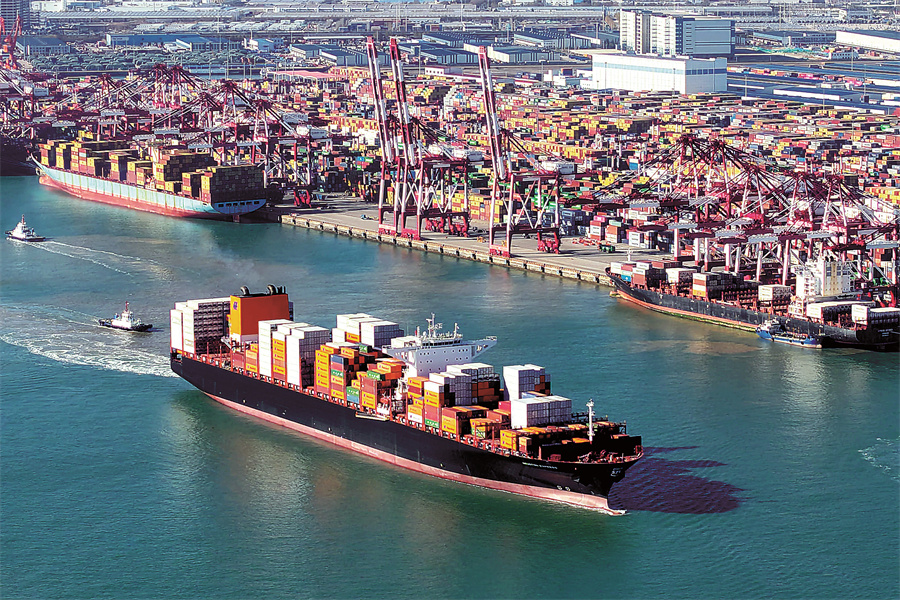

 Josh Hild/Pexels
Vacation towns thrive on hospitality, yet subtle changes increasingly shape visitor experiences nationwide. Staffing shortages, rising costs, and rapid tourism growth affect service consistency quietly. Many destinations still look polished while everyday interactions feel less attentive. These shifts rarely dominate headlines, but repeat visitors notice differences over time. The following towns illustrate places where service quality softened without dramatic decline. Each location remains appealing, though expectations now require adjustment. Understanding these patterns helps frame travel planning realistically while recognizing pressures faced by workers, businesses, and communities adapting to evolving travel demand.
Orlando, Florida
 HenningE/Pexels
Orlando remains a top vacation hub, yet service experiences feel less consistent recently. Theme park staffing challenges ripple into hotels, restaurants, and transportation services. Guests report longer waits, fewer interactions, and reduced flexibility during peak seasons. The city still delivers entertainment value, but operational strain shows quietly. High turnover and housing costs affect frontline workers significantly. Businesses manage volume by streamlining offerings rather than personalization. These adjustments create a noticeable shift for returning visitors, even as attractions expand. Service quality has not vanished, though expectations increasingly differ from earlier visits during calmer travel periods overall.
Las Vegas, Nevada
 Stephen Leonardi/Pexels
Las Vegas depends on hospitality excellence, yet subtle declines appear across service touchpoints. Staffing gaps affect housekeeping, dining, and customer support in major resorts. Automation replaces personal interaction more often than before. The Strip remains vibrant, but service feels transactional. Rising visitor volumes strain systems built for efficiency. Employees manage heavy workloads amid high turnover. These conditions quietly reshape expectations for repeat guests. Experiences still impress visually, though service warmth and consistency no longer match previous standards during busy weekends. Operational pressures continue influencing perceptions across properties.
Key West, Florida
 Infrogmation/Wikimedia Commons
Key West draws travelers seeking charm, yet service quality shows quiet strain. Limited workforce housing affects restaurants, hotels, and tours. Seasonal surges overwhelm small businesses quickly. Visitors experience longer waits and inconsistent availability. The island’s compact layout complicates logistics. Staff shortages lead to reduced hours and simplified menus. Businesses focus on volume management over attentiveness. These changes rarely dominate discussion, but frequent visitors notice differences. The destination remains appealing, though service reliability varies more than in previous years during high season. Local workers face increasing pressures balancing demand, costs, and limited resources throughout busy months.
Aspen, Colorado
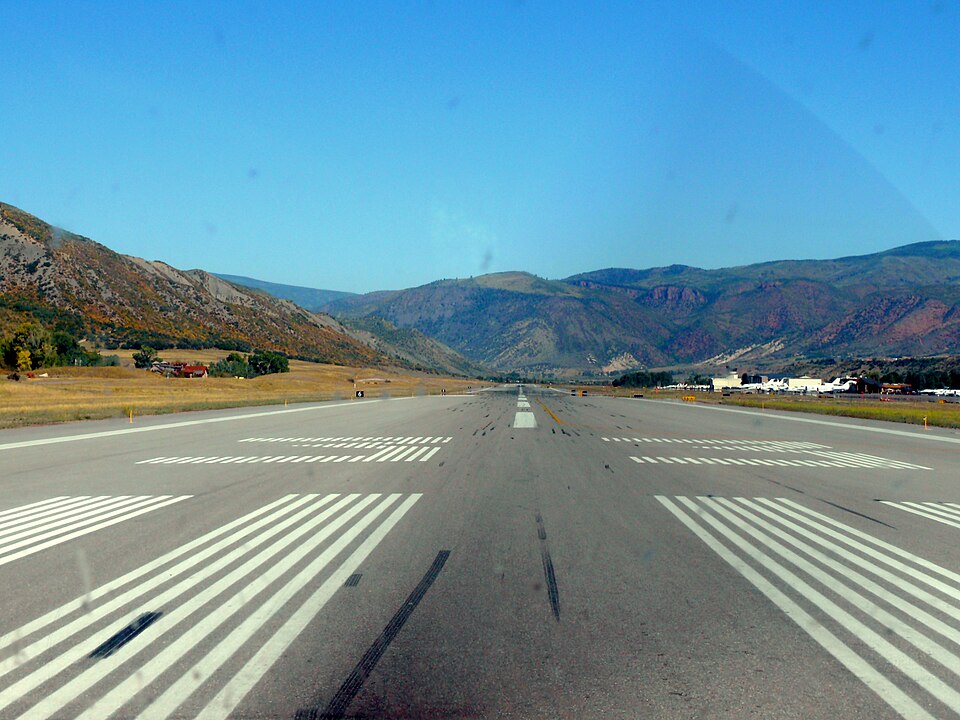 Avitya, Public Domain / Wikimedia Commons
Aspen attracts luxury travelers, yet service consistency has softened quietly. Housing shortages limit workforce stability across hospitality roles. Seasonal demand spikes challenge staffing during winter and summer peaks. Visitors encounter reduced hours and slower service downtown. Businesses prioritize essential operations amid high costs. Personalized attention feels harder to maintain. The town still delivers scenic appeal, but service pacing feels strained. Longtime visitors notice subtle changes. Expectations adjust as workers juggle intense demand within a small resort community experiencing ongoing economic pressure. These conditions influence daily interactions between guests and service teams during busy travel seasons.
Sedona, Arizona
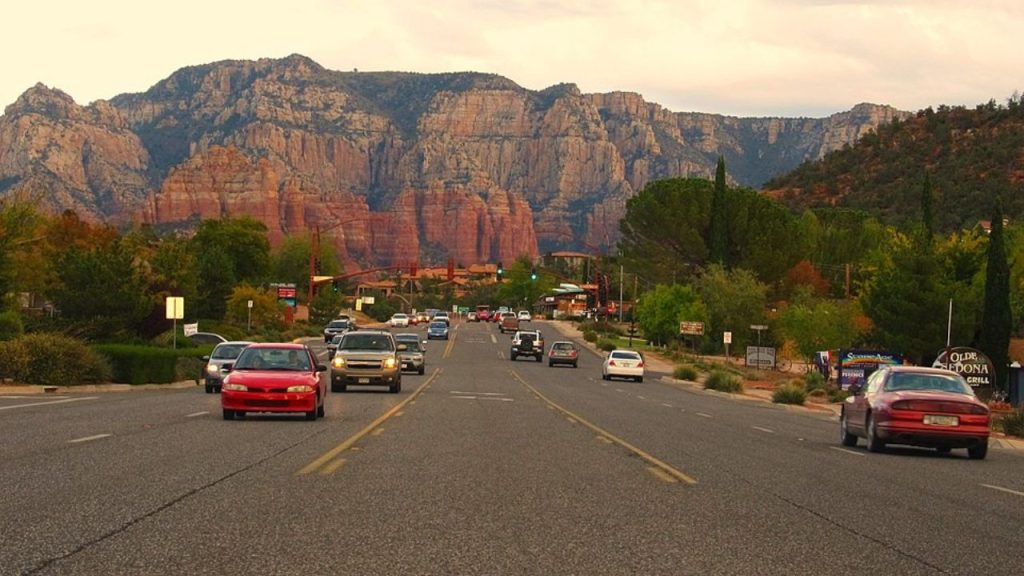 Ken Lund, CC BY-SA 2.0 / Wikimedia Commons
Sedona’s natural beauty sustains tourism, yet service delivery feels less polished. Rapid visitor growth strains small town infrastructure. Restaurants and hotels manage staffing gaps regularly. Guests report slower seating and limited flexibility. High living costs affect employee retention. Businesses simplify operations to manage demand. The experience remains scenic, but attention to detail varies. Repeat visitors sense the difference. Service quality shifts quietly as Sedona balances popularity, preservation, and limited workforce capacity within a constrained desert community. These pressures shape everyday hospitality interactions during peak seasons and weekends without eliminating the town’s overall appeal for travelers.
New Orleans, Louisiana
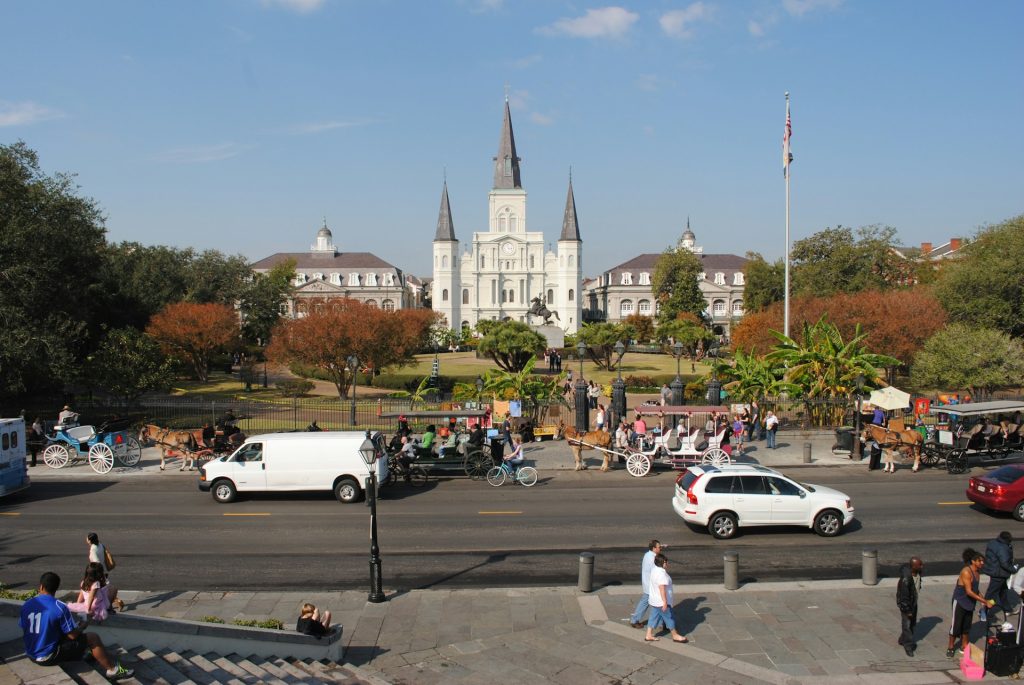 JR Harris/Unsplash
New Orleans remains culturally rich, yet service reliability shows decline. Labor shortages affect restaurants, hotels, and tour operators. Recovery from recent disruptions continues unevenly. Visitors notice longer waits and inconsistent staffing. High tourism demand meets limited workforce supply. Businesses adapt by reducing hours or offerings. The city’s charm endures, but service pacing feels less attentive. Frequent visitors recognize differences over time. These changes reflect broader pressures facing hospitality workers in a city balancing tourism, affordability, and sustainability. Operational strain increasingly influences guest experiences during festivals and peak travel periods across the year locally consistently.
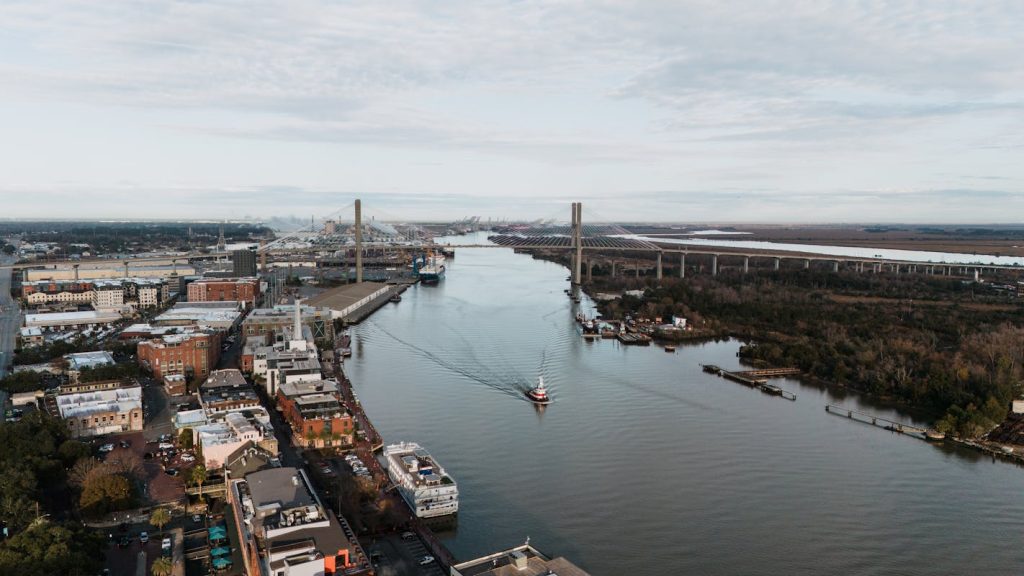
Savannah, Georgia
 Kelly/Pexels
Savannah attracts visitors with historic charm, yet service feels less consistent. Tourism growth strains a compact historic district. Restaurants and inns manage staffing challenges quietly. Guests encounter slower service during busy weekends. High housing costs affect employee availability. Businesses adjust by limiting menus and hours. The city remains welcoming, though attentiveness varies. Returning visitors note subtle changes. These patterns reflect pressure on hospitality operations within a preserved environment balancing popularity, workforce limitations, and daily residential needs. Service quality shifts emerge gradually rather than through dramatic or sudden decline across the tourism calendar each year locally.
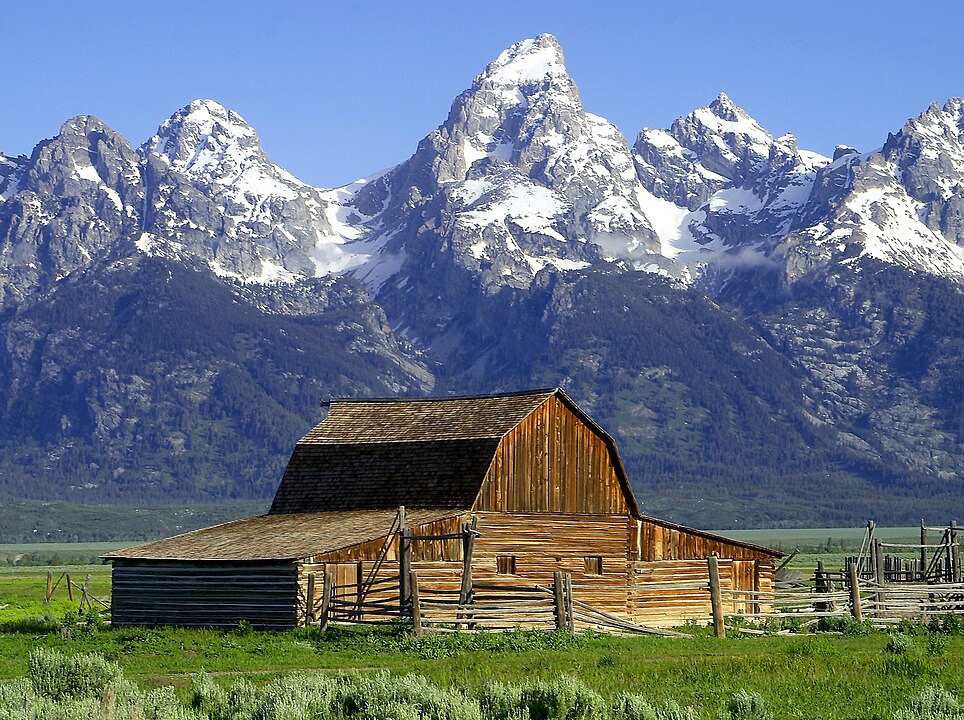
Jackson Hole, Wyoming
 Jon Sullivan, Public Domain / Wikimedia Commons
Jackson Hole draws outdoor enthusiasts, yet service consistency has softened. Seasonal tourism overwhelms a small workforce base. Lodging and dining staff shortages affect daily operations. High living costs limit employee retention. Businesses simplify services to meet demand. Scenic appeal remains strong, though hospitality feels strained. Repeat guests notice the difference. These conditions highlight challenges facing resort towns balancing popularity, housing constraints, and workforce sustainability in remote mountain regions. Service adjustments occur quietly as businesses prioritize survival during fluctuating tourist seasons throughout the calendar year for local operators there.
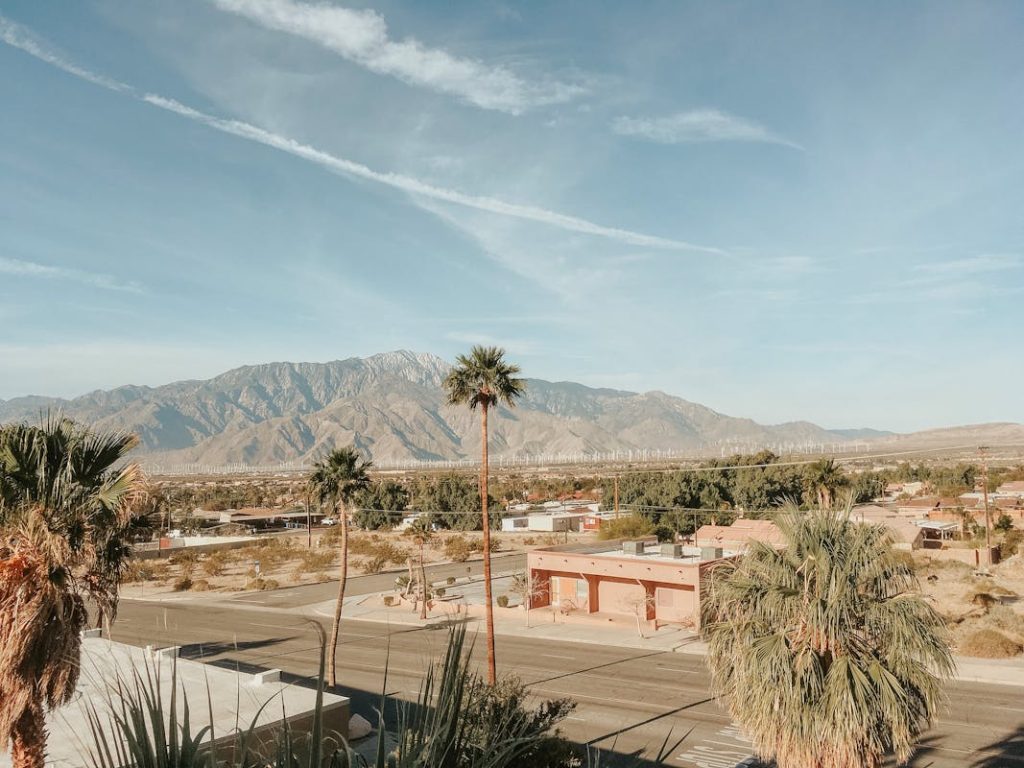
Palm Springs, California
 Jonathan Schmer/Pexels
Palm Springs remains a popular retreat, yet service quality shows subtle decline. Rapid development increases demand without matching staffing growth. Hotels and restaurants adjust operations seasonally. Visitors notice slower responses and limited staffing. High turnover affects consistency. Businesses focus on efficiency over personalization. The destination still feels relaxing, though service feels less attentive. Returning guests recognize changes. These shifts reflect broader hospitality pressures within a desert city balancing tourism growth, housing challenges, and workforce availability. Service changes appear gradually as visitor numbers fluctuate throughout the year during seasonal peaks and events common to region there.
Like this post? share it, or pin it for later!
Like this:
Like Loading…
Related
Please visit:
Our Sponsor