

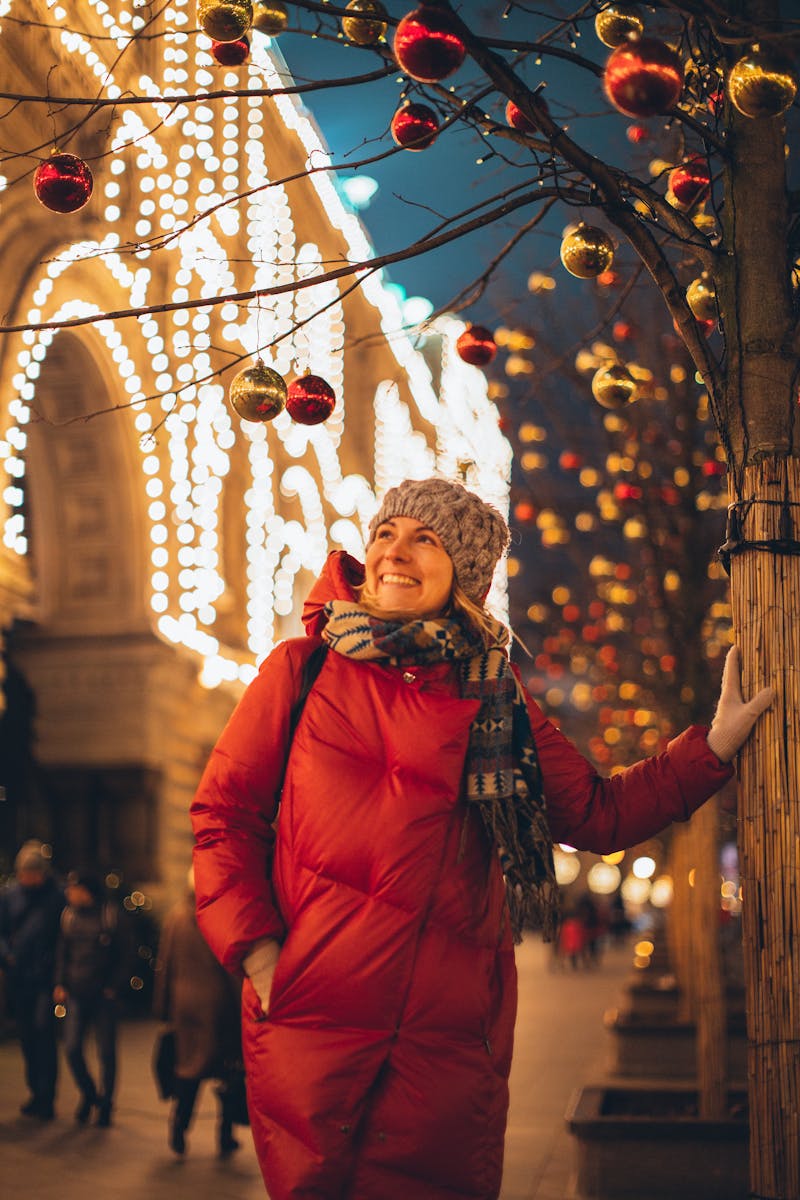
Winter travel has a special kind of magic. Christmas markets glowing at dusk, the smell of roasted chestnuts, cities wrapped in lights, cafés fogged up with warmth and conversation. It’s the season that makes travel feel cosy, romantic, and nostalgic.
It’s also the season when a surprising number of trips end with someone sniffling, exhausted, or stuck in a hotel room, wondering how it went wrong.
Getting sick while traveling this time of year is frustrating precisely because it often feels unavoidable – and personal. You did everything “right.” You dressed warmly. You washed your hands. You didn’t overdo it (or at least you didn’t think you did).
And yet, somewhere between the flight, the markets, the cold air, and the overheated interiors, your body gave up. A note: The cold air is not the villain; it’s a co-conspirator. It weakens your defenses just as dry, crowded indoor air concentrates the actual viral enemy.
The truth is, most people don’t get sick while traveling because they made one obvious mistake. Winter travel combines multiple stressors at once, many of which are invisible in the moment:
- Cold outdoor temperatures followed by overheated trains, shops, and restaurants (Don’t just fear the cold – fear the desiccated air. Super-heated indoor spaces suck the moisture out of your nasal passages, turning your first line of immune defense into cracked earth where viruses settle easily.)
- Long days spent in heavy clothes
- New, richer foods eaten while tired and cold
- Crowded indoor spaces
- Disrupted routines, poor sleep, dehydration
Most advice online focuses on either generic health rules (“take vitamins,” “dress warmly”) or ideal conditions that don’t exist when you’re actually traveling. It assumes you’re resting properly, eating balanced meals, and avoiding crowds, which is rarely the case on a winter trip, especially around Christmas markets or festive city breaks.
This article takes a different approach.
Instead of aiming for perfection, it focuses on practical prevention: what actually helps in real travel situations, when you’re moving between cold streets and warm interiors, eating unfamiliar food, walking more than usual, and trying to enjoy yourself.
Not to avoid winter travel – but to enjoy it without paying for it later.
Because I love to travel during the winter, but I also know how easy it is to catch a cold (or worse). I also know what it is like to have a sensitive stomach and to suffer from not paying too much attention to what you eat at Christmas markets. So I am sharing my tips, things I learned so far, and that help me to help you too.
The Real Reasons People Get Sick While Traveling in Winter

Before talking about solutions, it helps to understand what’s really happening.
Most people don’t get sick because of one single factor. They get sick because several small strains pile up at the same time.
Temperature swings are harder on your body than cold alone
Cold weather itself isn’t usually the problem. The real issue is rapid temperature changes.
You step outside into freezing air. Ten minutes later, you’re in a train carriage that feels like summer. Then into a market stall with heat lamps, then back outside again. Your body is constantly trying to regulate temperature, and that regulation takes energy.
When it happens all day, for several days in a row, it quietly wears you down.
Long days in heavy clothes create hidden fatigue
Winter travel involves more physical effort than we tend to acknowledge:
- Heavier coats and boots
- Multiple layers to put on and take off
- Carrying scarves, hats, gloves, bags
Even if you’re walking the same distance you would in summer, it costs more energy. Add cold muscles and stiff joints, and your body is already under more strain than usual.
Eating differently affects immunity more than people expect
Rich, heavy foods are comforting in winter – and often part of the travel experience. But when you combine:
- Fatty foods
- Alcohol
- Cold exposure
- Fatigue
your digestion works harder and less efficiently. That doesn’t just affect your stomach; it affects your overall resilience.
Crowded indoor spaces are unavoidable
Christmas markets, trains, museums, cafés – winter travel pushes people indoors. You’re sharing air with more people, touching more surfaces, and spending more time in enclosed spaces than you would on a summer trip.
Disrupted routines lower your baseline
Late nights, early mornings, irregular meals, dehydration from heated indoor air – none of these cause illness on their own. But together, they lower your baseline enough that a minor virus or simple exhaustion tips the balance.
The key takeaway here is simple:
It’s rarely one thing. It’s the combination.
Once you understand that, the rest of the advice stops feeling like random rules and starts making sense.
Clothes Matter More Than You Think (And Most People Get This Wrong)
If there’s one area where winter travelers consistently misjudge the risk, it’s clothing.
Most people focus on not being cold. Fewer think about not being too warm – and that’s often the bigger problem.
Why being too warm is as bad as being cold
Overheating leads to sweating. Sweating in winter is dangerous, not because it feels uncomfortable, but because moisture cools your body once you step back outside.
You go from warm and damp to cold and damp in seconds – and that’s when chills set in.
It’s not the cold air that causes trouble; it’s dampness combined with cold.
The hidden danger of sweating during winter travel
Sweating doesn’t always feel dramatic. It often happens subtly:
- On crowded trains
- While walking uphill to a market
- Standing close to heat lamps
- Wearing a coat that doesn’t breathe
By the time you notice it, you’re already slightly damp – and then you step outside.
Why cotton layers are a problem
Cotton holds moisture. Once it’s damp, it stays damp. That’s fine in summer; it’s a liability in winter.
Breathable base layers – merino wool or technical fabrics – regulate temperature far better and dry faster. They don’t need to look “sporty.” Many now look like normal tops and are invisible under clothes.
Removable layers matter more than thick ones
A single very warm coat is less practical than several lighter layers you can remove easily.
The goal isn’t maximum warmth. It’s flexibility.
You should be able to cool down quickly indoors without exposing your neck, chest, or lower back – areas that tend to trigger chills when suddenly uncovered.
Dry socks are non-negotiable
Cold, damp feet are one of the fastest ways to feel unwell.
- Change socks during the day if needed
- Avoid shoes that trap moisture
- Waterproof doesn’t always mean breathable
Warm, dry feet help your whole body regulate temperature more effectively.
For me, this makes all the difference in the world. My feet get cold really fast – so I always pay attention to what the weather will be like and make sure I manage to keep my feet warm and dry. I cannot tell you how many times I have gotten a gold because of cold, damp feet
Scarves aren’t just for warmth
A scarf isn’t just a winter accessory. It’s a temperature regulator.
Covering and uncovering your neck as you move between environments helps your body adapt gradually, instead of reacting to sudden exposure.
If you want a deeper, very practical packing breakdown specifically for festive trips, you can explore this more detailed guide on what to take to a Christmas market, which focuses on real-world conditions rather than ideal outfits.
Eating New Foods at Christmas Markets (Without Wrecking Your Stomach)

This is where many winter trips quietly go wrong – not because the food is bad, but because of how and when it’s eaten.
Why rich foods hit harder when you’re cold and tired
When you’re cold, your body prioritizes staying warm. When you’re tired, digestion slows. Add rich, greasy foods into the mix, and your system struggles.
That doesn’t always show up as immediate stomach pain. Sometimes it shows up the next day as fatigue, heaviness, or a general “run-down” feeling.
Alcohol, cold, and digestion don’t mix as well as we pretend
Mulled wine, hot chocolate with liqueur, festive drinks – they’re part of the experience. But alcohol:
- Dehydrates you
- Affects sleep quality
- Slows digestion
In cold weather, the warming effect feels comforting, but the after-effects are stronger.
The mistake of “trying everything” in one evening
Christmas markets encourage grazing. The problem isn’t tasting – it’s stacking.
Sausage, then pastries, then sweets, then alcohol, all while standing in the cold, often late in the evening. Your body is tired, your digestion is compromised, and there’s no recovery time before sleep.
What actually helps in real situations
Eat before you go, not only at the market
A simple, familiar meal beforehand makes you less likely to overload later.
Balance rich foods with simpler ones
Soup, bread, roasted chestnuts, baked potatoes – not everything needs to be heavy.
Pay attention to food temperature
Lukewarm food that’s been sitting out is harder to digest and more likely to cause issues.
Notice how busy the stall is
High turnover usually means fresher food.
Pace tasting across days, not hours
You don’t need to try everything in one night. Markets repeat; your stomach needs recovery.
This isn’t about restriction. It’s about spacing pleasure so it stays enjoyable.
Hands, Face, and Small Habits That Make a Big Difference
This is the unglamorous part of travel health – and one of the most effective.
Hand hygiene matters more than supplements
No supplement can compensate for frequent hand-to-face contact in crowded environments.
You touch railings, money, phones, and menus – often without noticing. Then you rub your eyes or adjust your scarf.
That’s how germs actually travel.
When hand sanitizer helps – and when soap is better
Hand sanitizer is useful when you’re on the move. But when you have access to soap and water, use them.
Soap removes dirt and oils that sanitizer doesn’t fully break down.
Tired people touch their faces more
Fatigue lowers awareness. Travelers rub their eyes, rest their chins in their hands, and adjust scarves repeatedly.
Being aware of this – without obsessing – reduces exposure significantly.
Phones are hidden germ collectors
Your phone touches everything and rarely gets cleaned. Wiping it down once a day while traveling can make a surprising difference.
None of this requires paranoia. Just small, consistent habits.
Travel Days Are the Weakest Link (Here’s How to Handle Them Better)

Many people don’t get sick during the trip itself – they get sick right after arrival. That’s not a coincidence.
Travel days combine:
- Long periods of sitting
- Dehydration
- Poor food choices
- Stress
- Temperature changes
What helps on flights and long train days
- Drink more water than you think you need
- Eat familiar, simple foods
- Avoid stacking stressors (late night + early flight + alcohol)
Travel days aren’t the time to “push through.” They’re the time to protect your baseline.
Why arrival day matters so much
Arriving and immediately rushing out, skipping rest, or staying out late often triggers illness.
Even a short pause – unpacking, showering, eating something warm – gives your body a reset signal.
Sleep, Crowds, and Overdoing It (The Invisible Risk)
Winter travel encourages over-scheduling. There’s always “one more market,” “one more walk,” “one more stop.”
Crowds drain energy even when you’re enjoying them. Noise, lights, constant movement – it all adds up.
The problem isn’t enthusiasm. It’s the accumulation.
This is where a slower, more mindful approach becomes practical rather than philosophical. If you’re interested in that perspective, these slow, mindful holiday travel tips explore how pacing can actually make trips more enjoyable – and more sustainable – without sacrificing experiences.
What to Do If You Start Feeling Run Down Mid-Trip
This is where realism builds trust.
Early signs people ignore:
- Scratchy throat
- Heaviness instead of hunger
- Unusual fatigue
- Feeling cold even when dressed warmly
Pushing through rarely helps. It often turns a manageable dip into a full stop.
Small adjustments can save the trip:
- Skip one evening activity
- Eat something simple and warm
- Go back earlier
- Sleep longer the next morning
Rest is not “wasting” a trip. It’s protecting it.
I would also take a pill for my throat or something for an early cold, if I feel like it is necessary.
Staying Well While Traveling Is About Reducing Strain, Not Being Perfect
You don’t need extreme measures.
You don’t need to avoid joy.
You don’t need to travel like a monk.
Staying well while traveling in winter is about reducing unnecessary strain through clothing choices, food pacing, hygiene, rest, and awareness.
It’s about working with your body instead of against it.
Winter travel can be deeply rewarding. When you support your body properly, you get to enjoy the lights, the markets, the cold air, and the warmth inside – without paying for it afterward.
And that’s the real goal.
Photo sources: 1, 2, 3, 4, 5, 6
More amazing articles for you:
Please visit:
Our Sponsor