
 Ash B/Pexels
Across the United States, once-vibrant malls that welcomed crowds of shoppers now sit quiet and hollow, offering a striking look at the changing landscape of American retail. These abandoned spaces represent shifting consumer habits, economic downturns, and the rise of online shopping, all of which gradually pulled life away from indoor shopping centers that once served as important community hubs. Long corridors that once echoed with music and conversation now sit dark, marked by peeling paint, scattered debris, and plant growth reclaiming open floors. Some of these malls await redevelopment, while others linger in limbo as ownership changes or long-standing structural issues complicate renewal efforts. Many travelers find these places eerily fascinating, as they capture a specific moment in American culture before shifting retail trends reshaped everyday experiences. Their forgotten storefronts and fading signage offer a quiet reminder of how quickly bustling public spaces can transform into haunting, atmospheric relics.
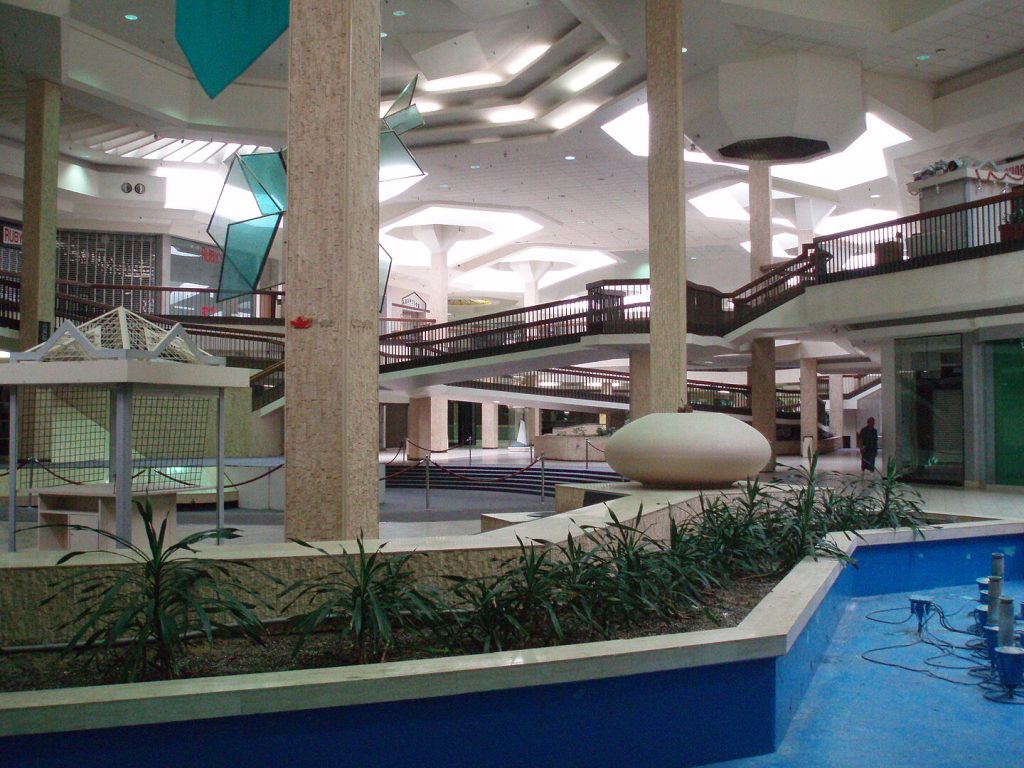
Randall Park Mall, North Randall, Ohio
 Eddie~S, CC BY 3.0/Wikimedia Commons
Randall Park Mall once ranked among the largest shopping centers in the world when it opened in the 1970s, drawing immense crowds with its spacious layout and diverse selection of stores. Over time, shifting economic conditions in the region and increased competition from newer developments caused foot traffic to decline. Throughout the 1990s and early 2000s, anchor stores closed, leaving wide corridors increasingly empty. By its final years, the mall stood nearly vacant, with broken skylights, peeling paint, and flooded hallways creating an unmistakably eerie environment. Photographers and urban explorers documented its haunting beauty before demolition began. Today, its empty footprint marks a significant chapter in the story of America’s declining mega-malls.
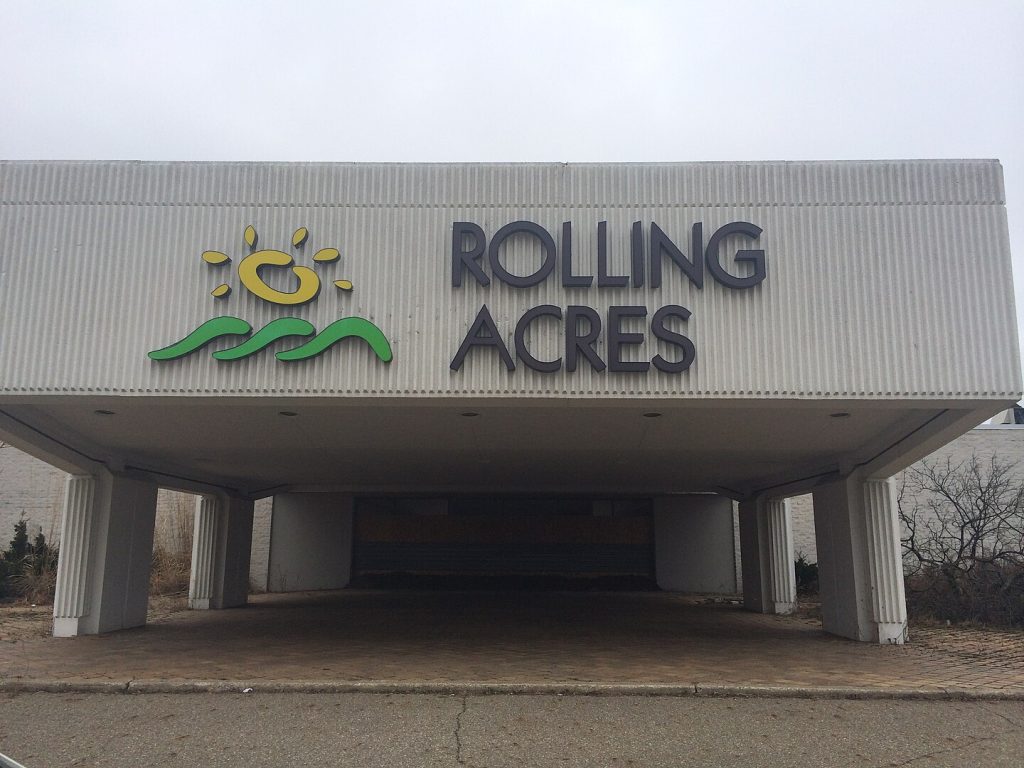
Rolling Acres Mall, Akron, Ohio
 CC BY-SA 3.0/Wikimedia Commons
Rolling Acres Mall became one of the most well-known abandoned retail sites in the country after widespread images of its haunting interior circulated online. During its peak in the 1970s and 1980s, it served as a bustling shopping destination for Akron residents, but competition from larger regional malls and economic shifts eventually led to steep declines in occupancy. By the mid-2000s, most anchor stores had closed, leaving only a handful of businesses scattered across vast, dimly lit corridors. Vandals and weather damage accelerated the mall’s deterioration, breaking windows and allowing natural elements to flood the space. The mall’s surreal combination of colorful signage and crumbling infrastructure made it a powerful symbol of retail decline until demolition was completed.
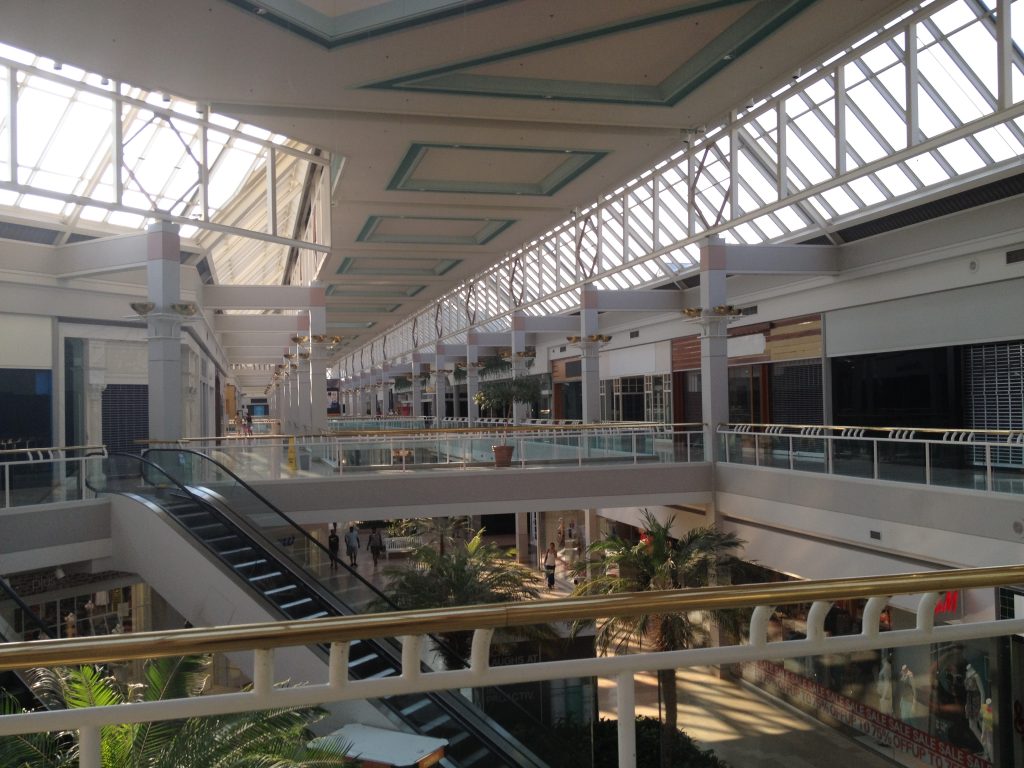
Owings Mills Mall, Owings Mills, Maryland
 CC BY-SA 2.0/Wikimedia Commons
Owings Mills Mall once offered a modern and air-conditioned shopping experience for Baltimore-area residents, yet safety concerns and changing retail trends contributed to its eventual decline. After a series of store closures and anchor departures, the mall struggled to maintain steady foot traffic. Renovation plans stalled multiple times due to shifting ownership and local development debates, leaving the vast building slowly deteriorating. Empty hallways, broken lighting, and fading advertisements created an unsettling atmosphere in its final years. Although the mall has since been demolished for redevelopment, its abandoned phase captured attention as an example of how quickly once-promising retail centers can fall into disuse when economic and community priorities change.
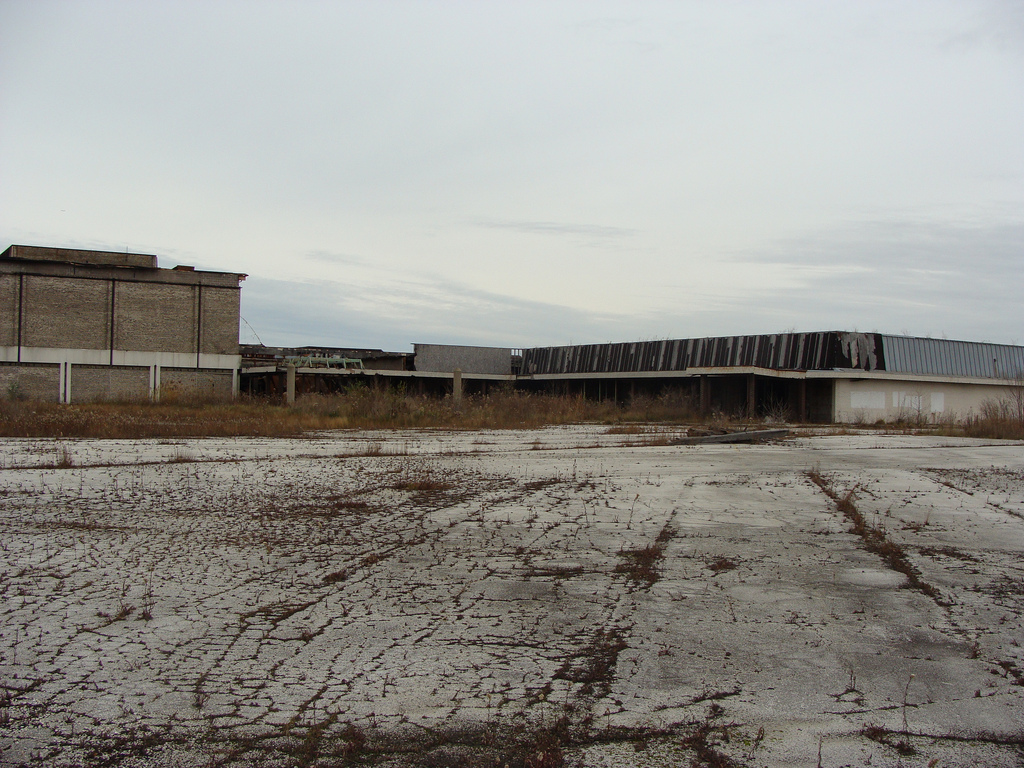
Dixie Square Mall, Harvey, Illinois
 CC BY-SA 2.0/Wikimedia Commons
Dixie Square Mall gained notoriety both for its abandonment and its appearance in the classic film “The Blues Brothers,” where a famous chase scene was filmed inside its corridors. Shortly after the movie’s release, the mall faced a rapid decline due to economic struggles and rising crime in the surrounding area. It closed permanently in the late 1970s and remained in a state of decay for decades. Broken windows, collapsing ceilings, and uncontrolled vegetation transformed the site into a haunting ruin. Redevelopment efforts repeatedly stalled due to environmental issues and structural instability. Dixie Square became one of America’s most iconic abandoned malls before its eventual demolition.
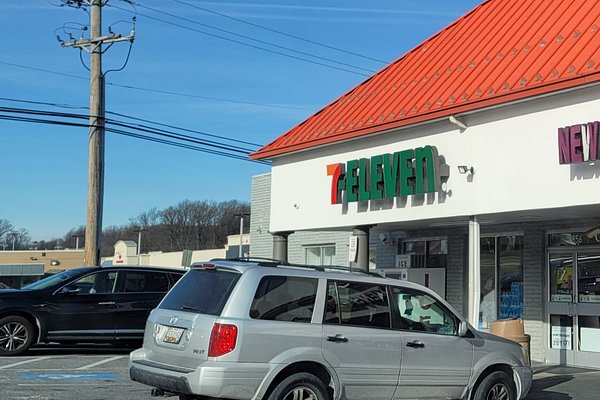
Randallstown Plaza, Randallstown, Maryland
 Bill B/TripAdvisor
Randallstown Plaza originally functioned as a community shopping hub with a mix of retail stores and local businesses. Over time, anchor closures and shifts in regional spending patterns reduced customer traffic considerably. The site eventually became an abandoned shell marked by boarded-up entrances, debris-filled walkways, and overgrown landscaping. Its location, once considered convenient, no longer attracted consistent commercial interest, leaving the property in a long state of limbo. Urban explorers and photographers captured the plaza’s unsettling quiet, documenting torn signage and rusted structures. Although future redevelopment has been discussed, the abandoned center remains a reminder of how changing retail habits influence suburban landscapes.
Summit Place Mall, Waterford Township, Michigan
 turquoise teal/TripAdvisor
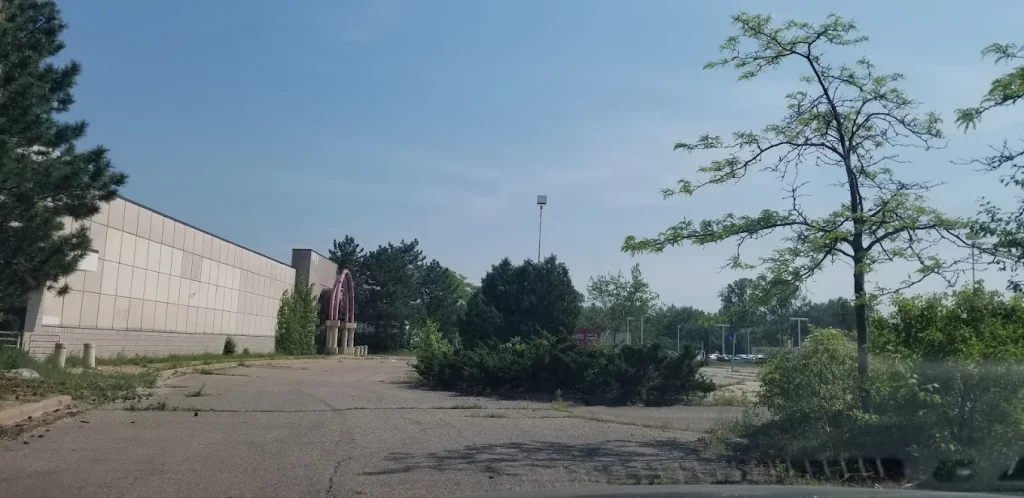
Summit Place Mall opened in the 1960s as a bustling retail complex with multiple anchor stores and a broad selection of specialty shops. As newer malls emerged in nearby areas, Summit Place experienced declining foot traffic and rising vacancy rates. By the late 2000s, only a few stores remained, and the mall’s interior became increasingly desolate. Leaking roofs, shattered glass, and exposed wiring gave the abandoned structure an eerie appearance. Wildlife occasionally wandered into the empty hallways, further emphasizing its decline. Though demolition has progressed, the mall’s abandoned period became widely documented, representing another significant example of retail spaces that could not keep pace with evolving consumer trends.
Hawthorne Plaza, Hawthorne, California
 PontiacAurora, CC0/Wikimedia Commons
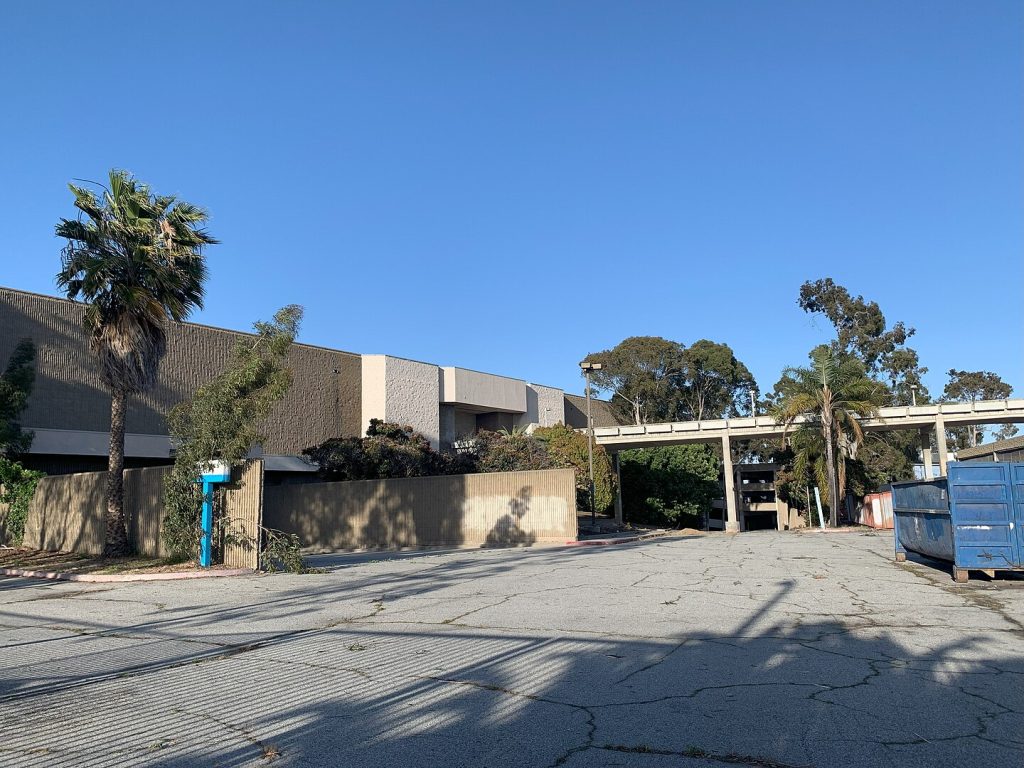
Hawthorne Plaza served as a popular shopping center in the South Bay region of Los Angeles during the 1970s and 1980s, but competition from newer malls and changing demographics contributed to its closure in the 1990s. The interior soon fell into disrepair, with empty escalators, shattered skylights, and graffiti-covered surfaces giving the structure a cinematic quality. Many productions used Hawthorne Plaza as a filming location due to its abandoned look. Despite multiple redevelopment proposals, the building remained largely untouched, creating speculation about its future. Its haunting corridors highlight how quickly retail complexes can shift from community hubs to atmospheric relics of earlier decades.
Medley Centre, Irondequoit, New York
 explorerochester/Instagram
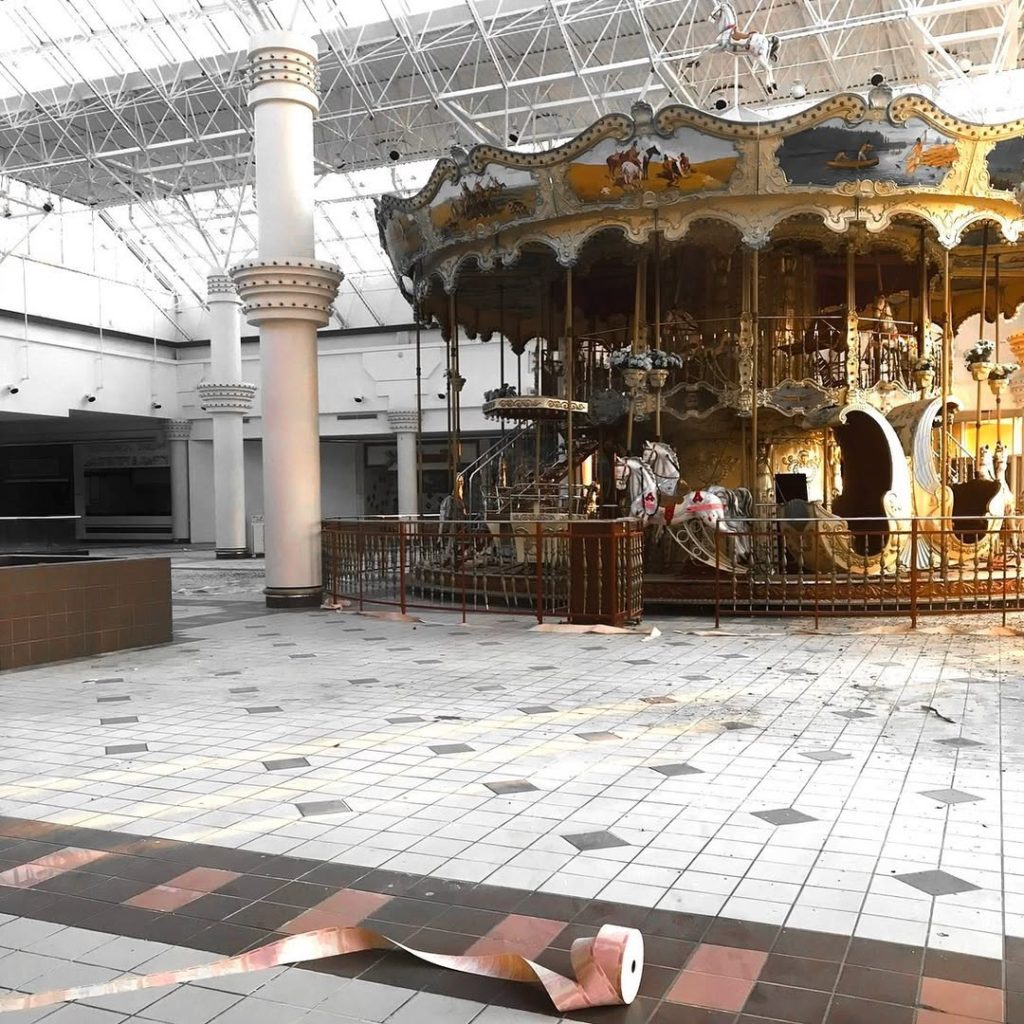
Medley Centre, originally known as Irondequoit Mall, opened with optimism in the 1990s but struggled to retain anchor stores as regional competition increased. Attempts at revitalization, including ambitious redevelopment plans, stalled repeatedly as ownership disputes and financing issues emerged. With each passing year, fewer retailers remained, eventually leaving the mall completely vacant. Vandals and weather damage accelerated its decline, and large portions of the interior became dark, moldy, and increasingly unstable. The once-modern design transformed into an unsettling reminder of rapid retail downturns. Medley Centre remains one of upstate New York’s most notable abandoned retail structures, symbolizing the challenges of large-scale redevelopment.
Metro North Mall, Kansas City, Missouri
 Mike Kalasnik, CC BY-SA 2.0/Wikimedia Commons
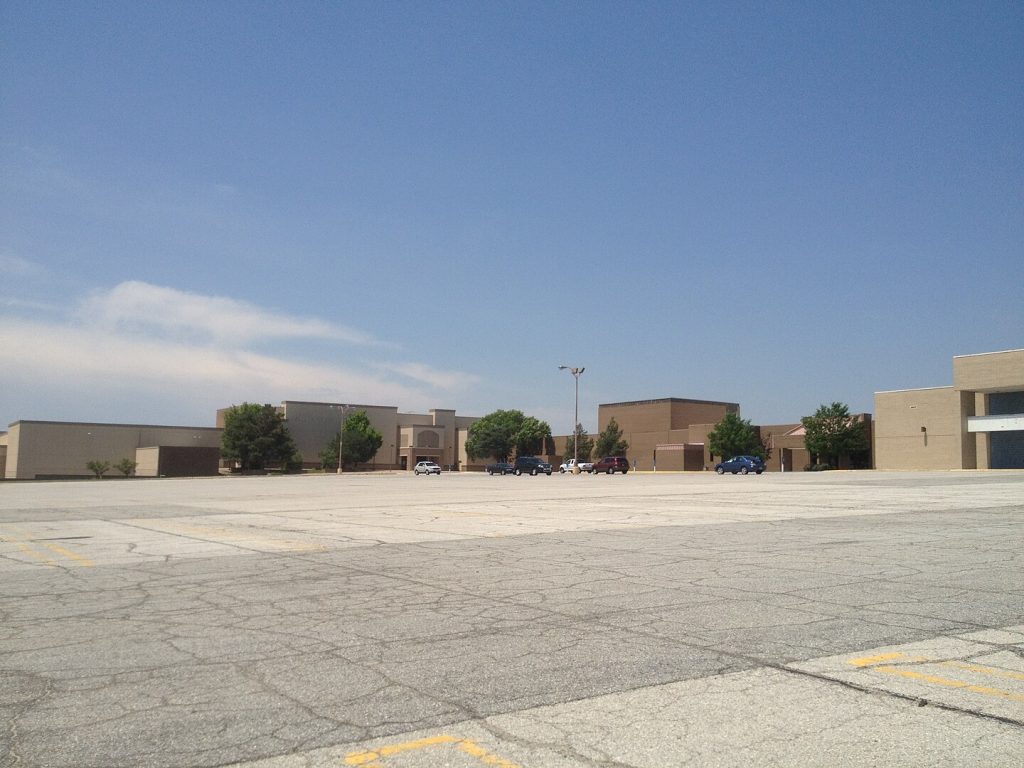
Metro North Mall opened in the 1970s and became a well-visited shopping destination for Kansas City residents for several decades. Over time, competition from updated retail centers and lifestyle malls led to a gradual loss of tenants. As anchors closed and corridors emptied, maintenance declined, and visible deterioration set in. By the time the mall fully shut its doors, vegetation had begun creeping into walkways, and interior fixtures showed signs of water damage and decay. Urban explorers documented abandoned storefronts, silent escalators, and fading décor that reflected its better years. Though redevelopment has been discussed, the mall’s abandoned state captured regional attention for years.
Century III Mall, West Mifflin, Pennsylvania
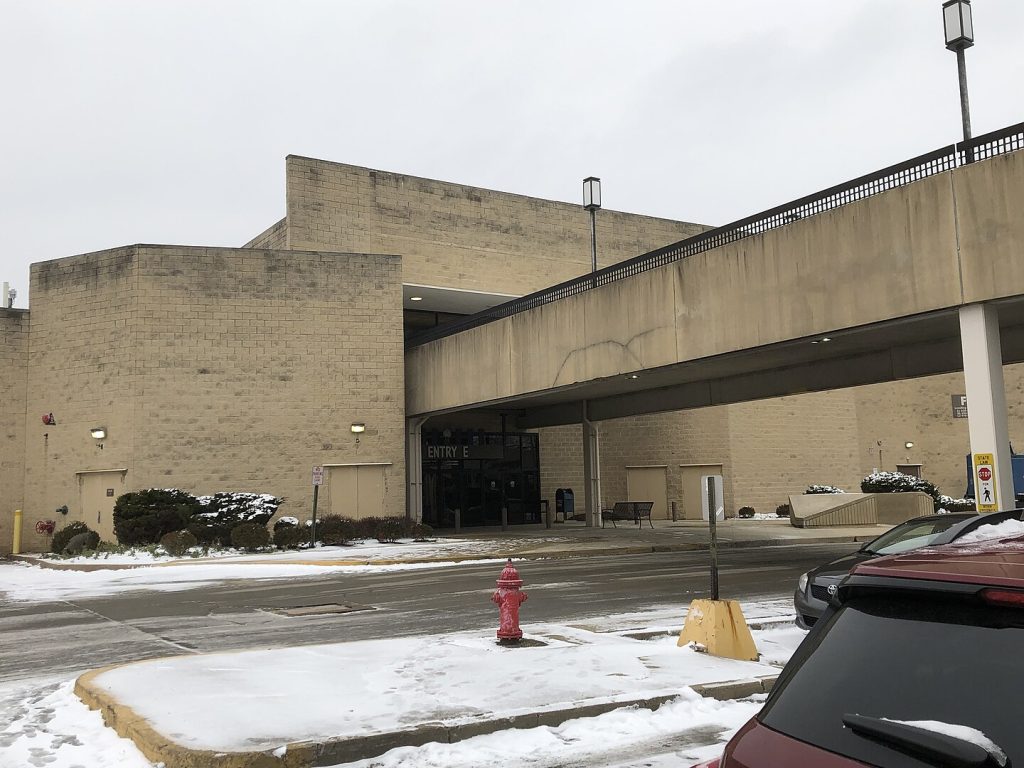 Ii2nmd, CC BY-SA 4.0/Wikimedia Commons
Century III Mall opened in the late 1970s and was once one of the largest malls in the country, attracting shoppers from across the Pittsburgh region. Its decline began in the early 2000s as anchor stores closed and infrastructure aged. Repeated roof leaks, failing HVAC systems, and widespread vacancy created an unsettling atmosphere inside the vast complex. Ceilings dripped, hallways darkened, and entire wings sat silent for years before its final closure. With redevelopment plans moving slowly, the abandoned mall became a striking symbol of retail shrinkage. Images of the deteriorating interior spread widely, drawing attention to how far the once-thriving center had fallen and how dramatically consumer habits reshaped regional shopping landscapes.
Crestwood Court, Crestwood, Missouri
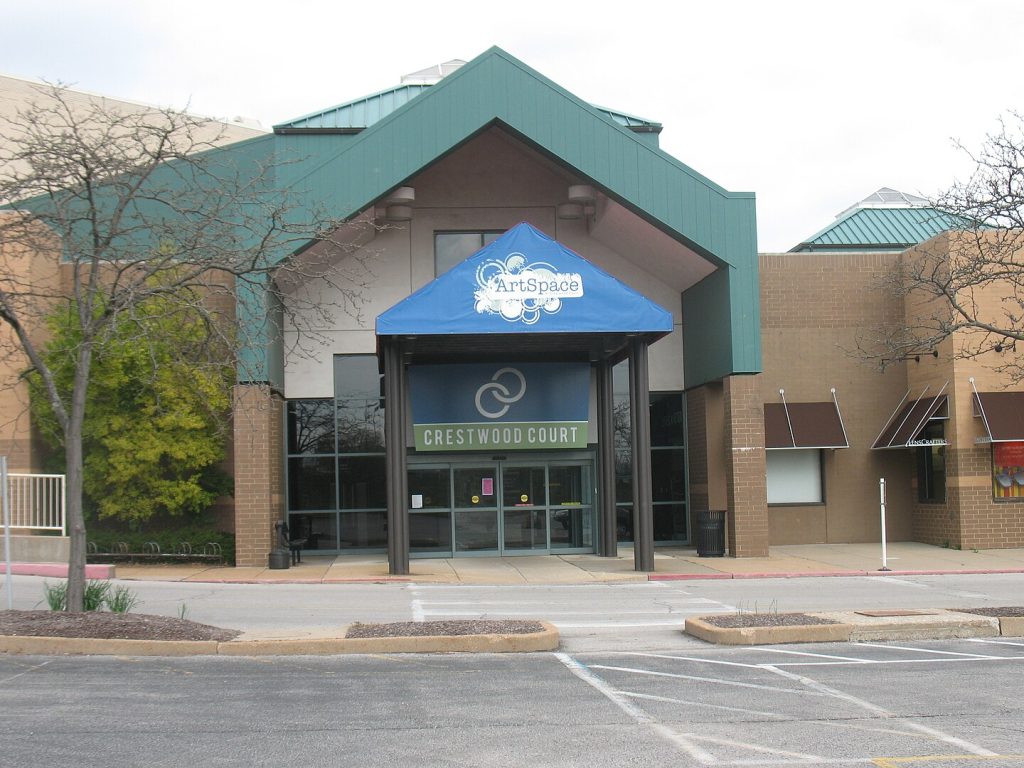 Khazar2Commons, CC BY-SA 3.0/Wikimedia Commons
Crestwood Court began as a thriving suburban shopping destination in the mid-20th century but eventually struggled as consumer preferences shifted toward big-box stores and online shopping. Efforts to revitalize the mall included creative initiatives such as transforming vacant retail spaces into art studios, yet long-term redevelopment remained elusive. After closure, the building deteriorated rapidly, with debris-covered floors, water-damaged ceilings, and overgrown landscaping contributing to its abandoned appearance. Visitors described a haunting quiet inside the once-busy corridors, where colorful storefronts faded beneath layers of dust. Redevelopment proposals have continued, but the mall’s abandoned years highlighted the difficulties many older suburban malls face.
Regency Mall, Augusta, Georgia
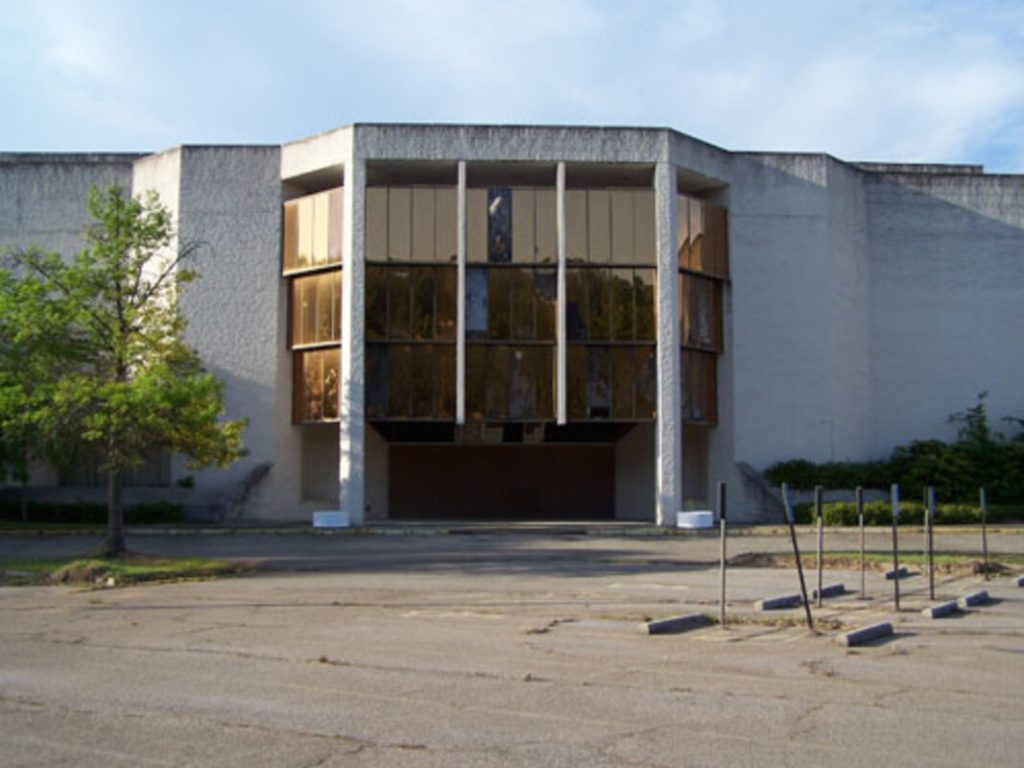 Augustawiki, CC BY-SA 3.0/Wikimedia Commons
Regency Mall opened with promise in the 1970s as one of Augusta’s premier shopping destinations, yet competition from nearby developments gradually eroded its customer base. Anchor departures accelerated its decline, leaving only a small portion of the mall open before complete closure. Over time, the structure fell into disrepair, with rusted fixtures, broken windows, and extensive water damage giving it a distinctly eerie look. Local debates about redevelopment and ownership slowed progress, leaving the mall abandoned for many years. Its vast parking lot, cracked and overtaken by weeds, added to the haunting atmosphere of a once-busy commercial landmark that now stands frozen in quiet urban decay.
Like this post? share it, or pin it for later!
Like this:
Like Loading…
Related
Please visit:
Our Sponsor