
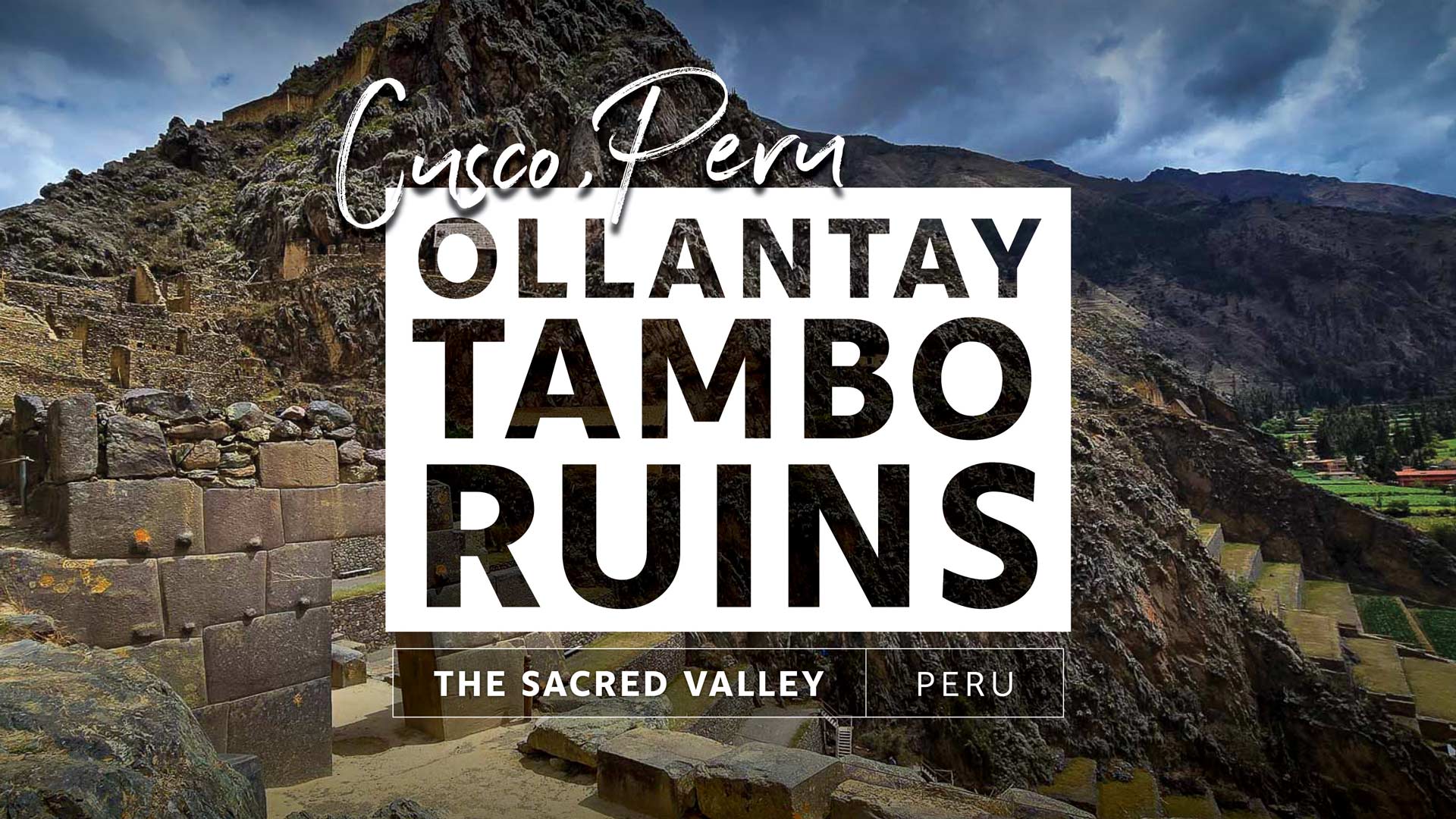

Getting To Ollantaytambo From Cusco
If you’re coming from Cusco, you’ve got a few solid options. A Cusco to Ollantaytambo collectivo (shared van) is the budget traveler’s favorite—cheap, frequent, and surprisingly comfortable. To be honest, this was another time when I flexed my “trust” muscles…
A man with a nice, new, comfy looking SUV was right near the colectivo stand, offering rides to Ollantaytambo for 5 SOL more than a standard colectivo.
Seemed safe enough 🤷️ …so I checked with the couple already sitting in the back that they were indeed going there, and hopped in! Payed upon arrival in Olly!
 My $15SOL rando “colectivo” I took from Cusco to Ollantaytambo.
A normal collectivo is about $10 SOL (about $3-4+ USD) each way than It takes about 1.5 to 2 hours, winding through stunning Andean scenery.
The scenery is beautiful, even though the actual ride can be a bit nauseating due to the crazy way everyone drives in Cusco.
Connect & Share This Article
You can also take a private car or grab one of the many day tours from Cusco that include the ruins of Ollantaytambo as part of a larger Sacred Valley circuit.
If you’re heading onward to hike Machu Picchu, Ollantaytambo is also the main train departure point, making it a good overnight stop. There are plenty of hotels in Ollantaybambo. That said, if you do a tour, you will be limited on how much time and freedom you have at each stop.
 Not sure how the Incans did what they did. Fascinating.
Exploring The Ruins Of Ollantaytambo
The ruins are pretty big, although my favorite…and even bigger ruins in the Sacred Valley were the Pisac Ruins. (Check out my hike in the rain there…) These ruins show off the Incas’ skill at blending architecture with landscape. The terraces climb up the hillside, leading to the Sun Temple and other ceremonial structures.
From the main “pyramid” top, you can continue on like I did, up and up and up another 15-20 minutes to the highest point in the ruins. You won’t find a lot of people making this trek since it’s a little steep and the altitude of the Cusco and the Sacred Valley area make it a tough hike.
But from the top, the view of the valley, the Urubamba River, and the streets of the Ollantaytambo below are absolutely worth every step.
The entry to the “pyramid” of Ollantaytambo Ruins.
The canals and waterways the ancient Incans created is so interesting.
The trail to the top, well beyond the clouds.
Be warned.
MORE THINGS TO DO IN PERU
You’ll also see storage buildings carved into the mountainside across the valley, designed to keep crops cool. It’s a reminder that this wasn’t just a fortress; it was a vital hub of Incan life. I’d recommend at least two hours here to explore slowly, snap photos, and take in the details of the stonework.
 View of Ollantaytambo and the Sacred Valley from the peak of the ruins.
How Much Does Ollantaytambo Ruins Cost?
Entry is included in the Boleto Turístico del Cusco—the general ticket that covers multiple Sacred Valley sites. I got that full ticket, which lasts 10 days and includes 16 different sites in Cusco and the Sacred Valley of Peru. The Boleto Turistico del Cusco ticket price is about $140-150 soles (about $45-50 USD).
Considering most of the bigger sites in and around Cusco are 70 Soles for entry, this +/-$150 full ticket cost more than pays for itself if you’re planning to see muliple sites in or around Cusco.
I also visited Saqsaywaman and Salineras de Maras among other sites on the ticket.
That said, If you’re just visiting Ollantaytambo, you can buy a partial ticket for around 70 soles (~$18 USD). Cash is preferred, and tickets are available at the entrance.
 The path I recommend is all the way up to “Inka Watana.” The best views of the Sacred Valley you’ll get in Ollantaytambo.
When To Visit & Weather Tips
The best time to visit the is during the dry season—roughly May through October—when you’ll have sunny days and clear views across the Sacred Valley. Mornings are usually crisp and quiet, making it a perfect time for photography or avoiding crowds.
- Dry Season (May–October): Expect blue skies, strong sun, and chilly mornings. Pack layers and sunscreen.
- Rainy Season (November–April): Green hills and fewer crowds, but be ready for afternoon showers and slippery steps.
If you can swing it, visit early in the morning or late afternoon to catch that warm golden light across the stone terraces. Midday gets hot and crowded, especially when day tours from Cusco Peru roll in.
Heading to the tippy top…
Ruins and ancient waterways at the base of the “pyramid”.
Ruins at the base of the “pyramid”.
Connect & Share This Article
Please visit:
Our Sponsor