
 americanspirit/123RF
If you like learning through real places rather than dusty displays, touring a historic home can be one of the easiest day trips you plan. You get to stand in rooms where major decisions were made, see how daily life once worked, and hear stories that feel far more real when you’re right there on the property. These homes also make history practical. You understand the layout, the objects, and the way people moved through their day. What this really means is that you come away with a deeper sense of how the country grew and shifted over time.
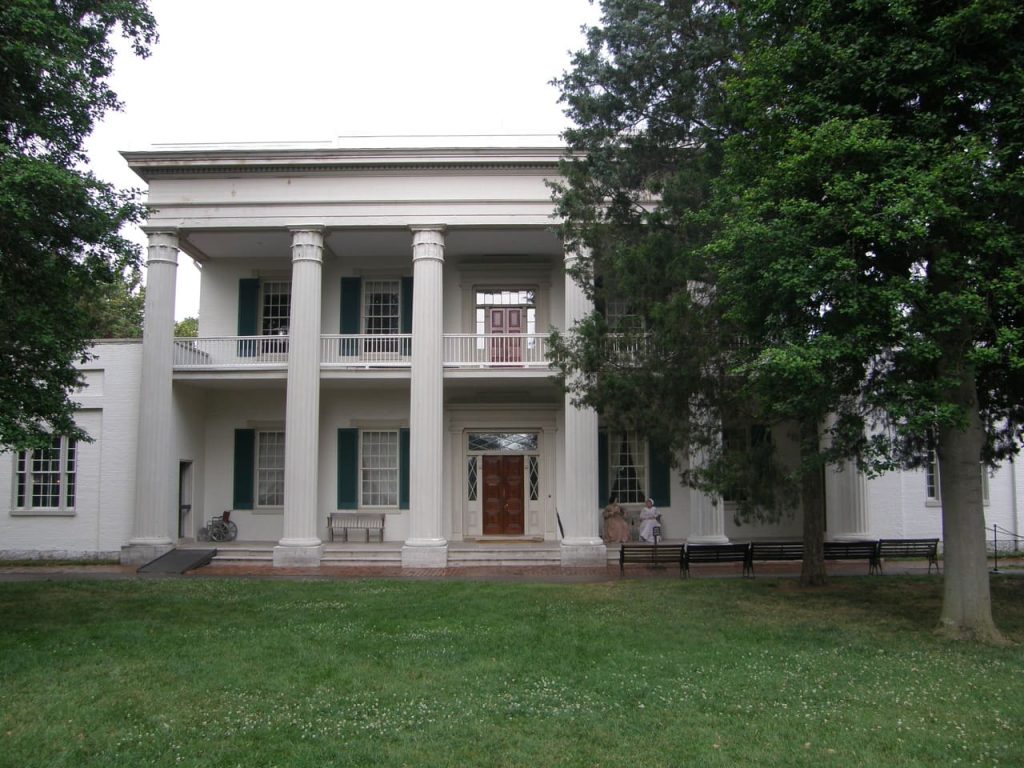
1. The Hermitage, Tennessee
 Jim Bowen from Zhenhai, China, CC BY 2.0/ Wikimedia Commons
You walk into the Hermitage expecting a mansion, but what you get is a full snapshot of life in the early 1800s. Guides explain how the farm operated, how the furnishings reflected the politics of the era, and why the property became a national landmark. You move through the main house, the gardens, and the quarters where enslaved workers lived, and the contrast stays with you. You understand the scale of the estate and the labor that sustained it. The site presents clear historical context backed by long-running scholarly research.
2. Mount Vernon, Virginia
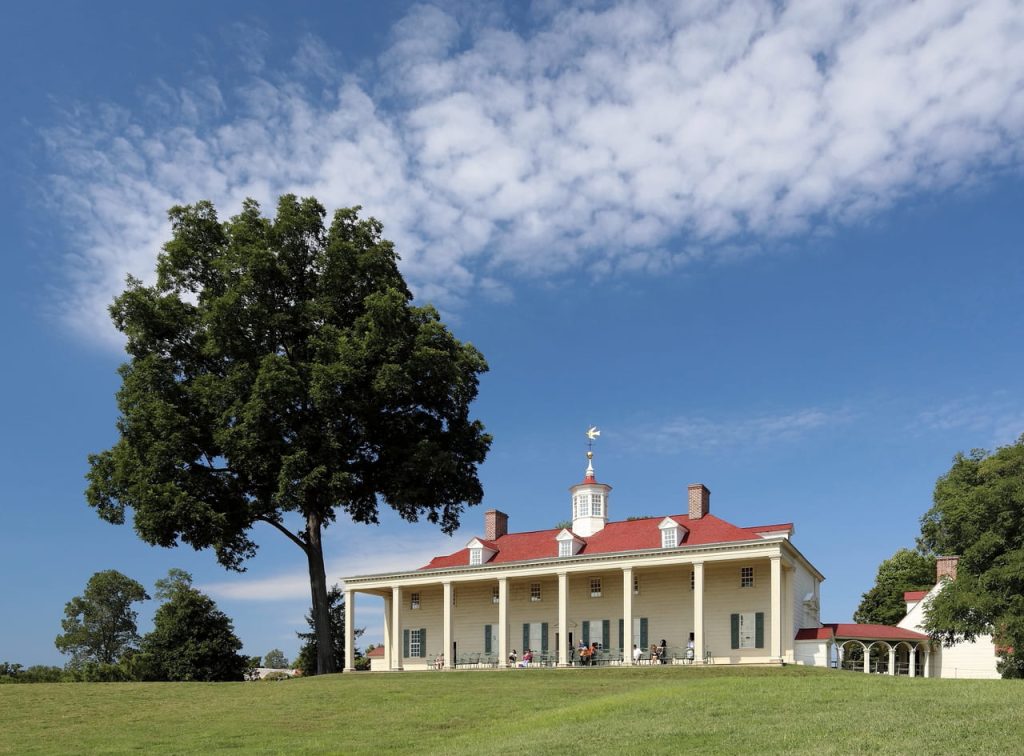 Martin Falbisoner, CC BY-SA 3.0 / Wikimedia Commons
Mount Vernon works well for a day trip because everything is laid out in a way that helps you make sense of daily routines. You follow the paths used by workers, step into the kitchen wing, and see the view that shaped the property’s design. Staff share research from the Mount Vernon Ladies’ Association and ongoing archaeology projects, so you get details grounded in verified sources. You also see how preservation choices are made. By the time you leave, you understand not just the house but the entire system that kept it functioning.
3. The Mark Twain House, Connecticut
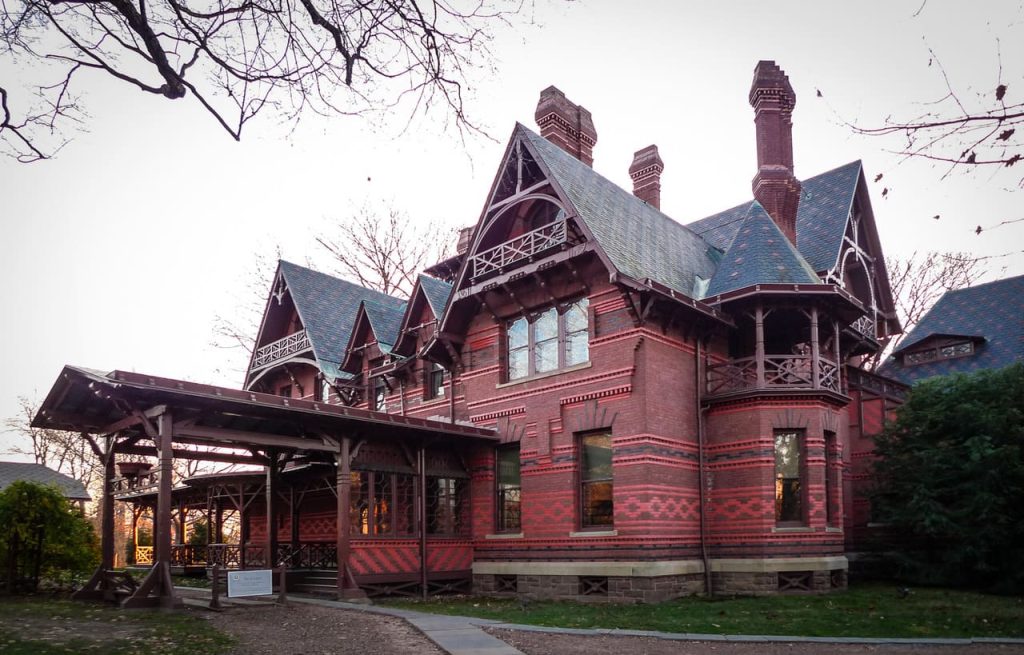 Kenneth C. Zirkel, CC BY-SA 3.0 / Wikimedia Commons
This home lets you walk through the rooms where Mark Twain wrote some of his most famous work. You hear how he designed the house with his wife, why certain rooms encouraged creativity, and how the family managed daily life. The tour is built on documents, letters, and records kept by the Mark Twain House & Museum, so you get strong historical backing. You see the ornate details, the family spaces, and the corner where Twain wrote each morning. The experience makes the writer feel more human and more complex.
4. Monticello, Virginia
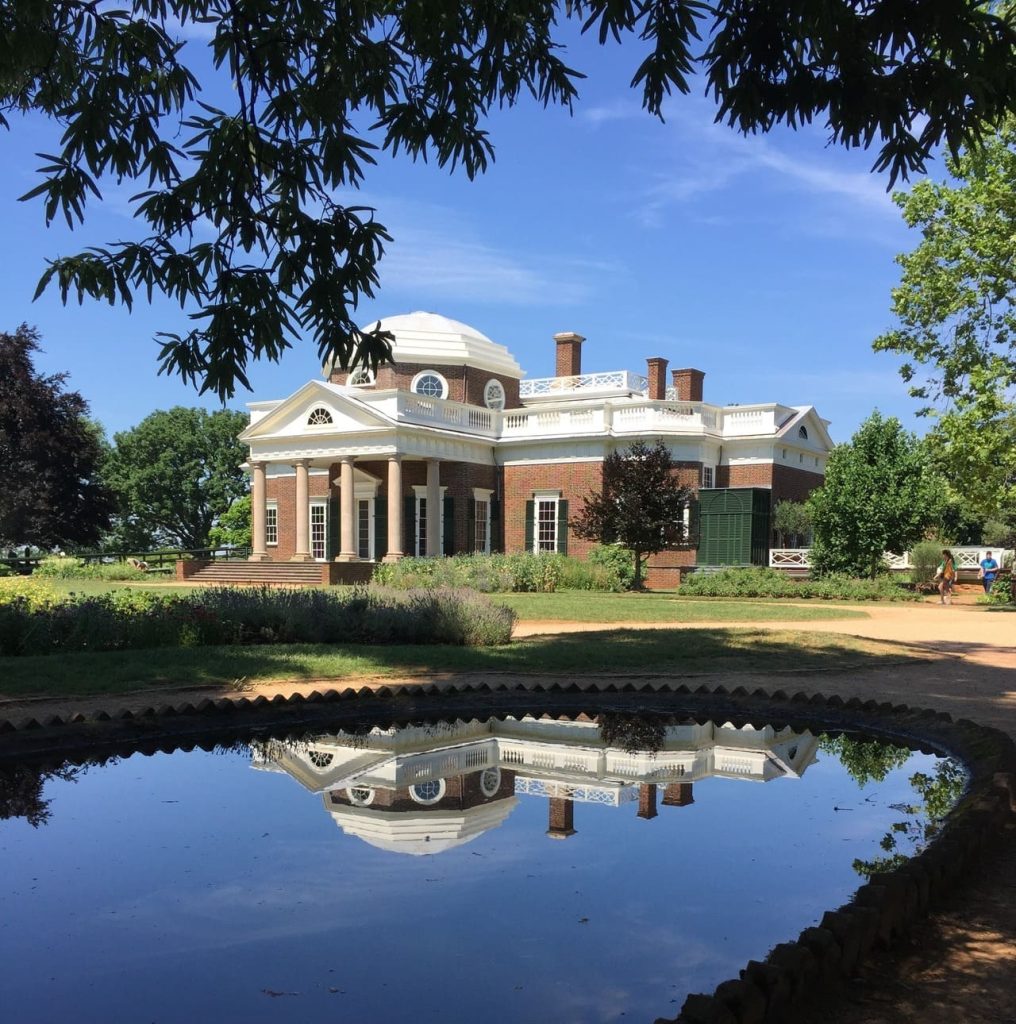 Kurt Kaiser, CC0/Wikimedia Commons
Monticello gives you a lot to take in, but the structure of the tour keeps it clear. You start with the main house, see the inventions Jefferson used, and hear about the people who lived and worked on the property. You also learn about the Hemings family and how their stories are documented through written records and archaeological evidence. The guides present work grounded in the Monticello research team, so the information is carefully supported. You leave with a fuller sense of the contradictions and ideas that shaped the estate.
5. Hearst Castle, California
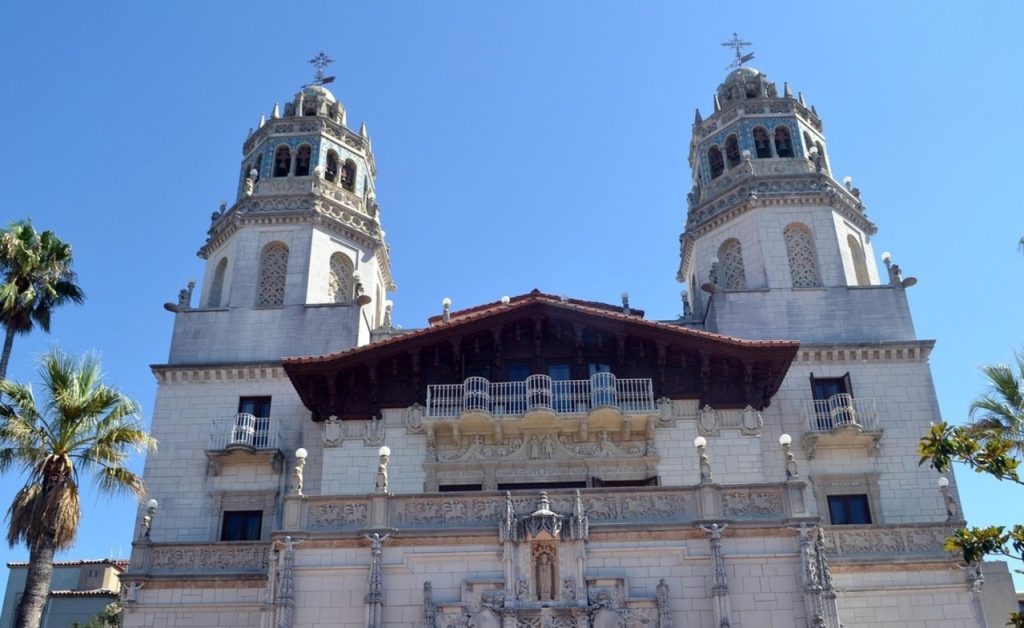 Bishnu Sarangi / Pixabay
Hearst Castle feels like a step into another world. You walk through rooms filled with art that William Randolph Hearst collected over decades, and guides explain why the furnishings and design choices mattered to him. You see how architect Julia Morgan shaped the property using plans preserved in historical archives. You also learn how Hearst tried to blend European influences with California landscapes. The combination of documented sources and preserved materials makes the tour feel grounded despite the estate’s dramatic scale.
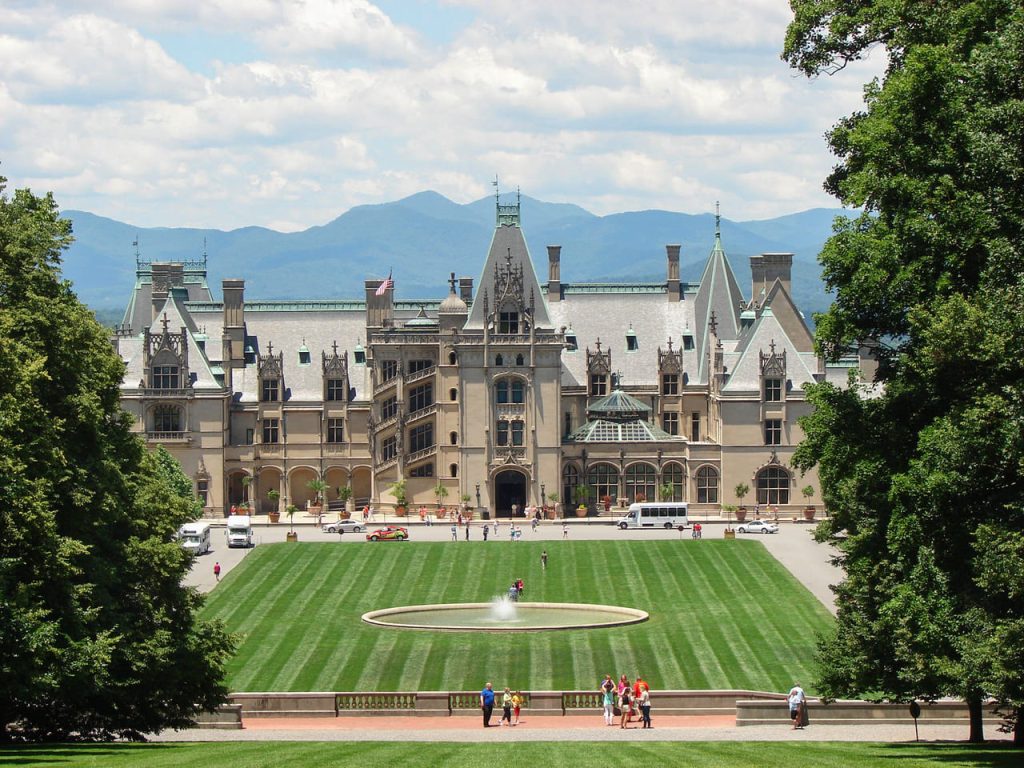
6. The Biltmore Estate, North Carolina
 24dupontchevy, CC BY-SA 4.0 / Wikimedia Commons
You explore the Biltmore expecting size, but the real value is in the detail. Guided information comes from the Vanderbilt family archives, architectural plans, and long-term conservation work. You move through the library, the banquet hall, and the service corridors where staff kept the house running. You see how early technology shaped daily life, including heating systems and communication tools. When you step outside into the gardens designed by Frederick Law Olmsted, you understand how the estate functioned as a full working property.
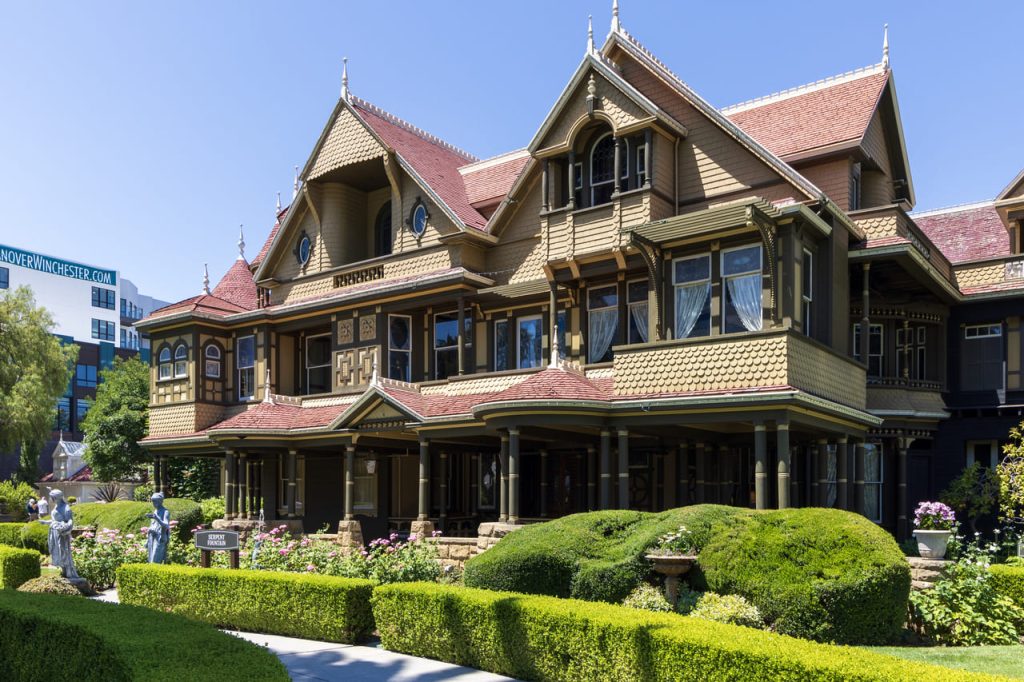
7. The Winchester Mystery House, California
 The wub, CC BY-SA 4.0 / Wikimedia Commons
This house keeps you curious from the start. You see stairs that lead nowhere, doors that open into empty drops, and rooms shaped by ongoing renovations. Guides explain the documented history of Sarah Winchester, including property records and correspondence, rather than the myths that usually overshadow the story. You learn how the house grew over time through constant construction. You walk through spaces that reflect architectural improvisation rather than superstition. The verified parts of her life help you separate legend from fact.
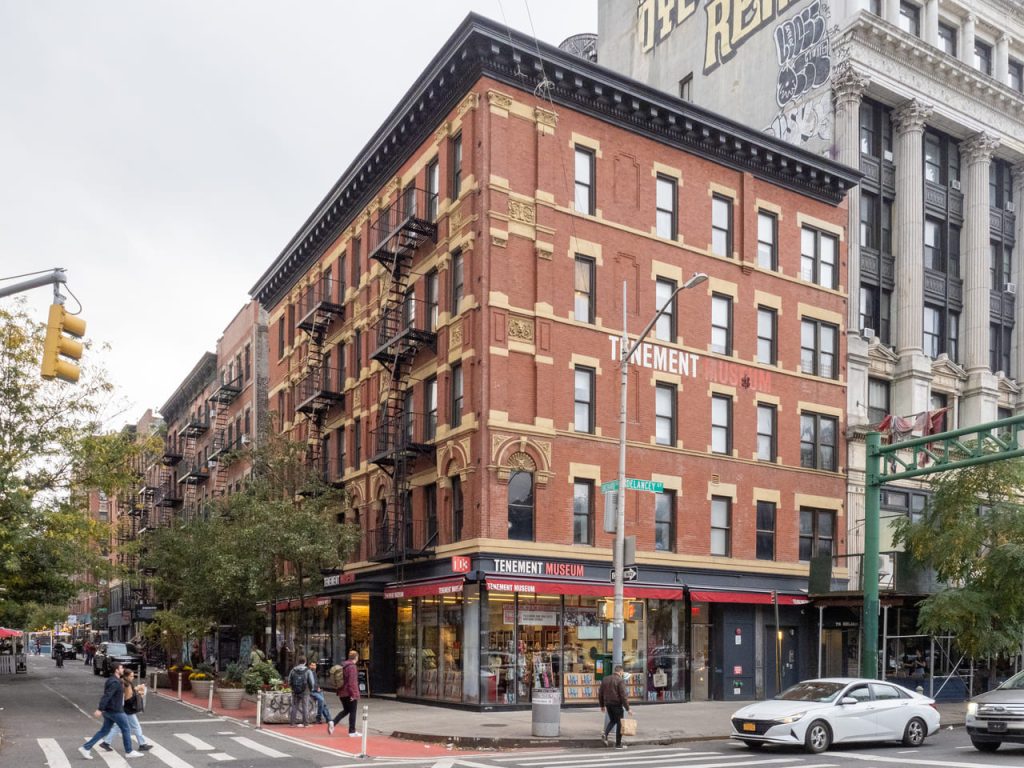
8. The Tenement Museum, New York
 ajay_suresh, CC BY 2.0 /Wikimedia Commons
This site focuses on working-class stories. You walk through restored apartments that represent documented families who lived there from the 1860s to the 1930s. You hear how researchers used census records, city documents, and personal archives to rebuild the interiors accurately. As you move through each floor, you see how families adapted to crowding, changing laws, and shifting work patterns. The tour helps you understand immigration not as a broad concept but as daily routines shaped by real constraints and choices.
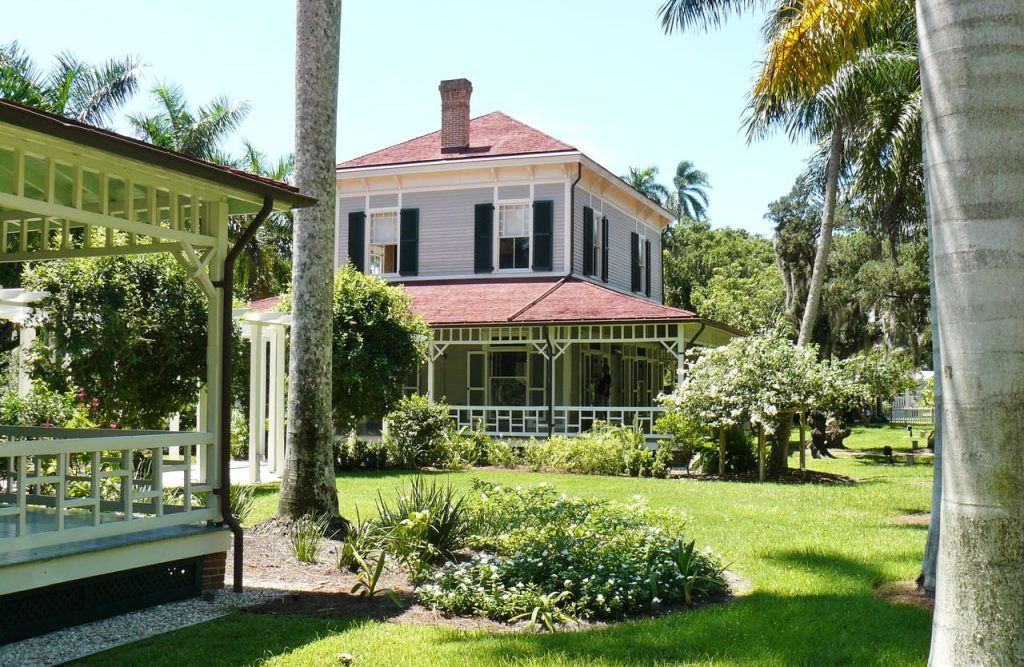
9. The Edison and Ford Winter Estates, Florida
 qwesy qwesy, CC BY 3.0 /Wikimedia Commons
You tour these homes to see how two major inventors lived and worked during the winter months. The preserved labs show experiments backed by written notebooks and documented research. You learn how Edison used the property for botanical studies and how Ford used nearby workshops. The grounds reflect the lifestyle of the early twentieth century, and guides rely on museum archives to keep the information factual. You come away with a sense of how personal relationships and shared interests shaped their time here.
10. The Vizcaya Museum and Gardens, Florida
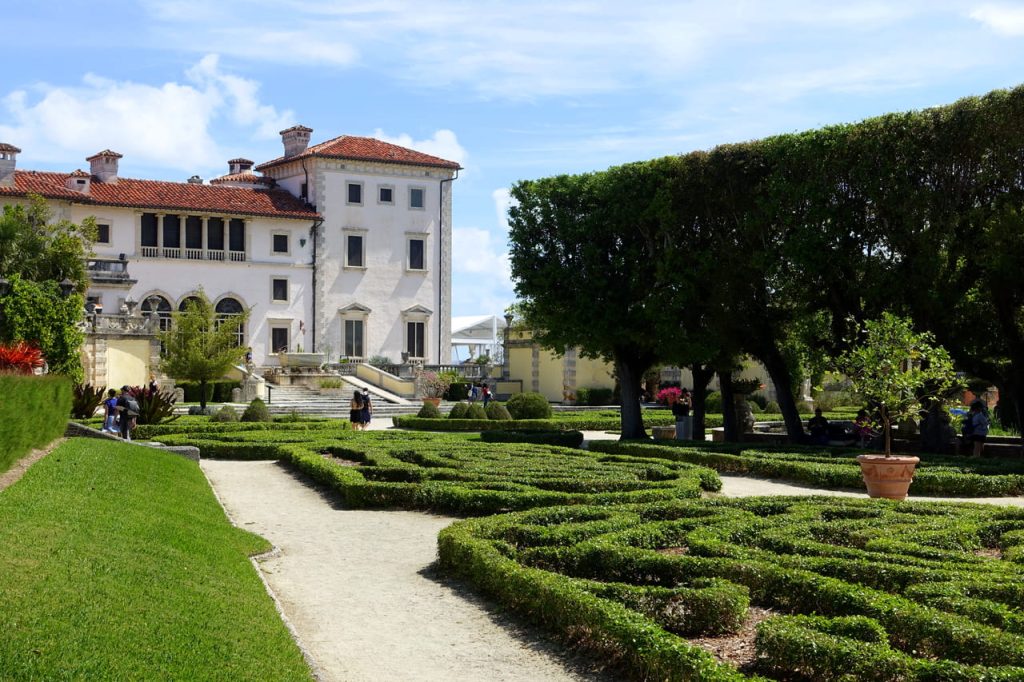 Daderot, Public domain, /Wikimedia Commons
Vizcaya gives you a mix of Mediterranean influences and early Miami history. You move through the rooms built by James Deering using imported materials recorded in shipping logs and design documents. Guides explain how the estate was meant to balance luxury with practicality in a humid climate. You also walk through the formal gardens shaped by historical landscape plans. The tour uses sources preserved by the Vizcaya Museum and Miami-Dade archives, so the information rests on solid research.
11. The House of the Seven Gables, Massachusetts
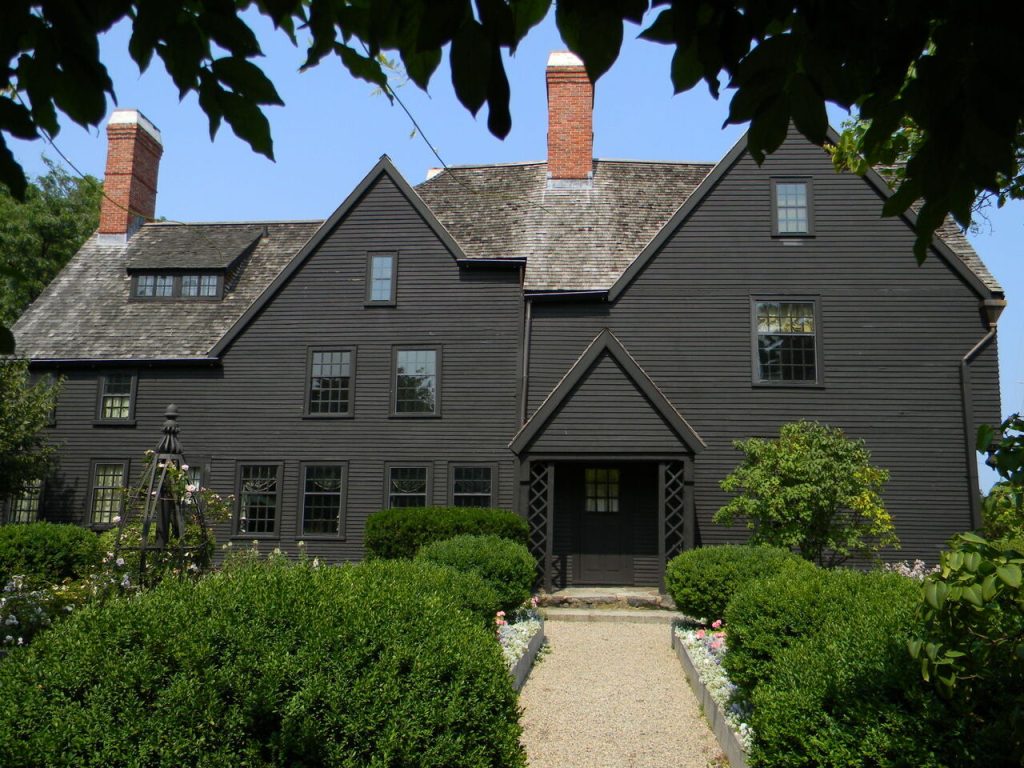 Upstateherd, CC BY-SA 4.0 / Wikimedia Commons
You visit this home to understand both architecture and literature. The structure dates to the 1600s, and guides explain how the house evolved using town records and restoration notes. You also learn how Nathaniel Hawthorne drew inspiration from the site. The preserved kitchen, attic, and hidden staircase help you picture daily routines across different centuries. The tour shows you how fact and fiction intersect without blurring them, backed by the research of the House of the Seven Gables Settlement Association.
12. Paul Revere House, Massachusetts
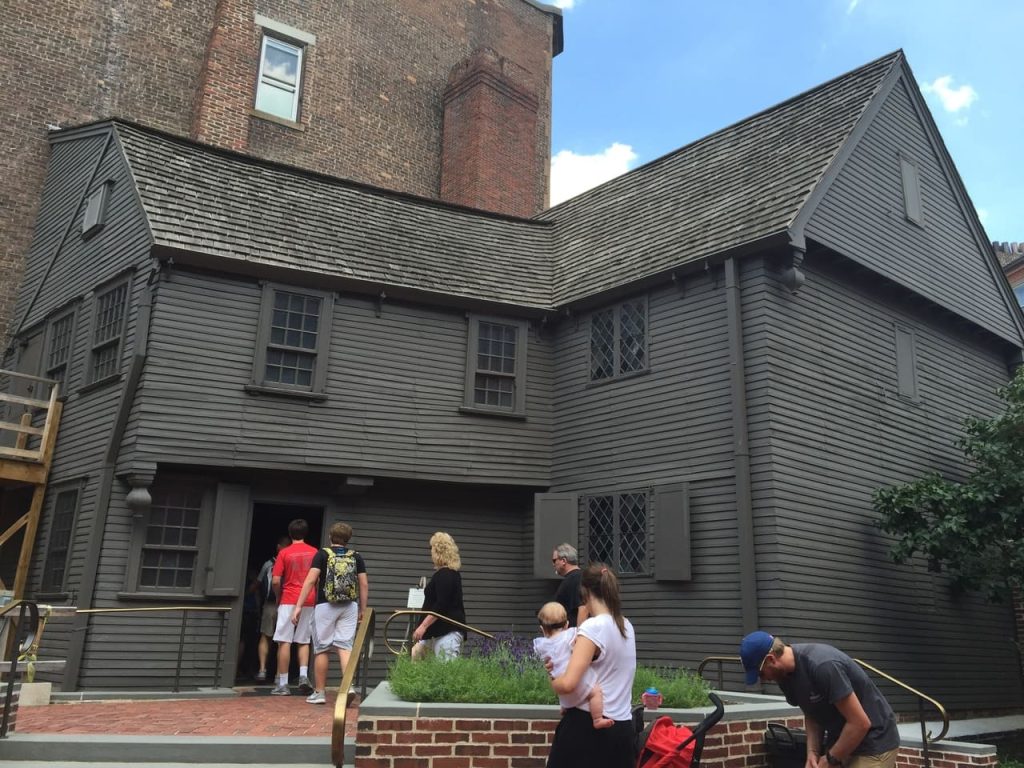 j_m_d_imagery, CC BY-SA 4.0 / Wikimedia Commons
You step into the Paul Revere House and immediately feel how small and practical life was in the late 1600s. You move through tight rooms built with timber framing techniques documented in Boston’s early architectural records. Guides explain how the house served multiple purposes for Revere’s family and how later preservation work relied on nineteenth and twentieth century restoration notes. You hear the verified story of Revere’s occupation as a silversmith and community messenger, backed by records from the Massachusetts Historical Society. By the time you leave, you see the famous rider as a real person shaped by everyday routines.
Like this post? share it, or pin it for later!
Like this:
Like Loading…
Related
Please visit:
Our Sponsor