
 kitleong/123RF
If you’ve ever landed at a mega-airport, you know: sometimes reaching your gate feels less like catching a flight and more like a mini trek. Airports built on massive parcels of land or with sprawling terminals can turn a simple layover into a cardio session. In this post you’ll meet some of the biggest airports on Earth the kind where walking to the gate may eat up more time than you expect. You’ll see how land-area, terminal layout, and gate-to-gate distances combine to make these places enormous. When you travel next, you’ll know why you should wear comfortable shoes, budget extra minutes and maybe mentally prepare for a stroll.
1. King Fahd International Airport, Saudi Arabia
 Invisious, CC BY 4.0 / Wikimedia Commons
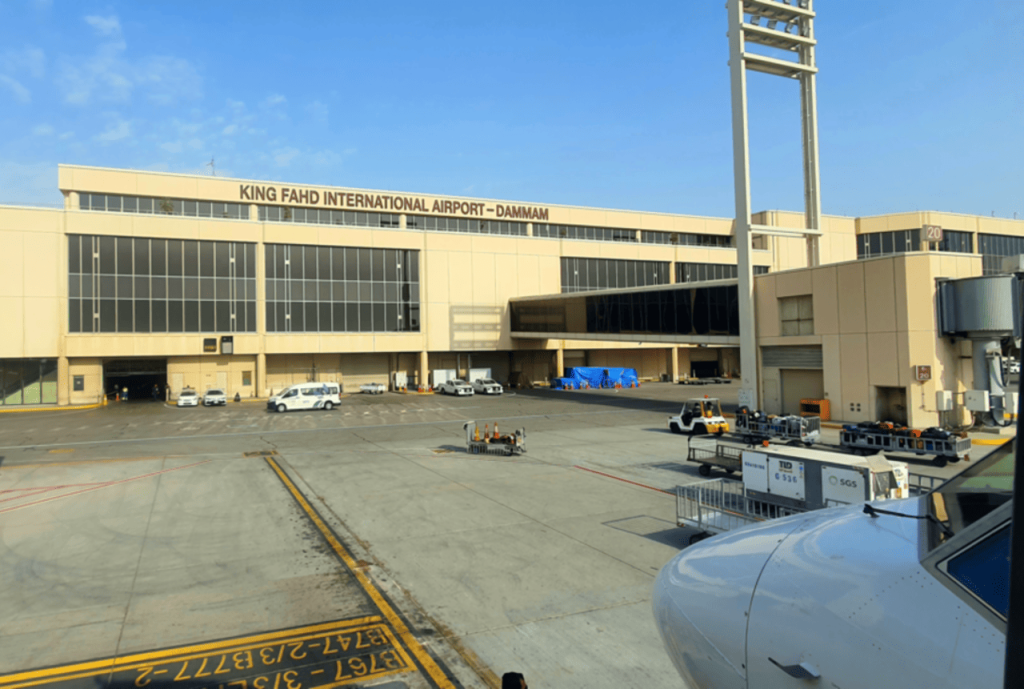
King Fahd International Airport is often cited as the largest airport by land area, spread across roughly 776 square kilometers. Much of its territory is open desert, but the developed sections are still widely spaced. When you arrive, you notice that terminals, runways, and service buildings sit far apart, and moving between areas can take real time. If your flight uses a remote gate or you need to transfer between arrival and baggage claim, expect long walks. Even a simple connection can feel like crossing a small district rather than a compact airport.
2. Denver International Airport, United States
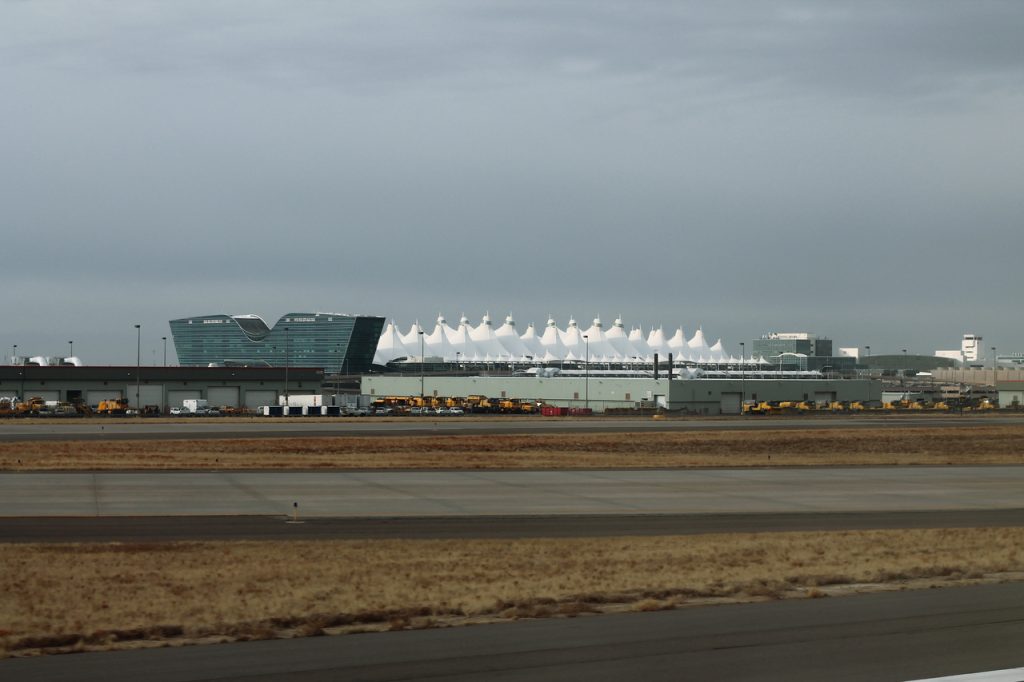 formulanone from Huntsville, United States, CC BY-SA 2.0 / Wikimedia Commons
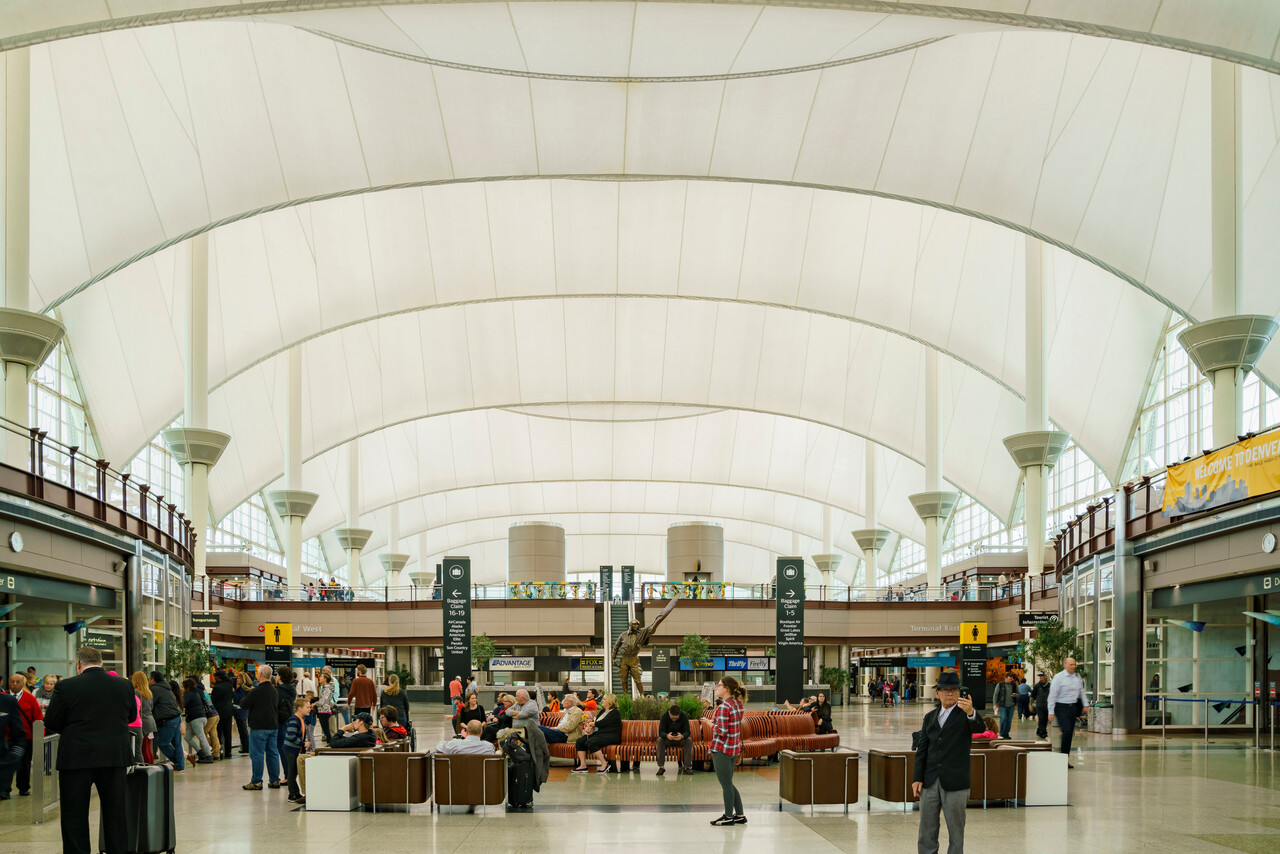
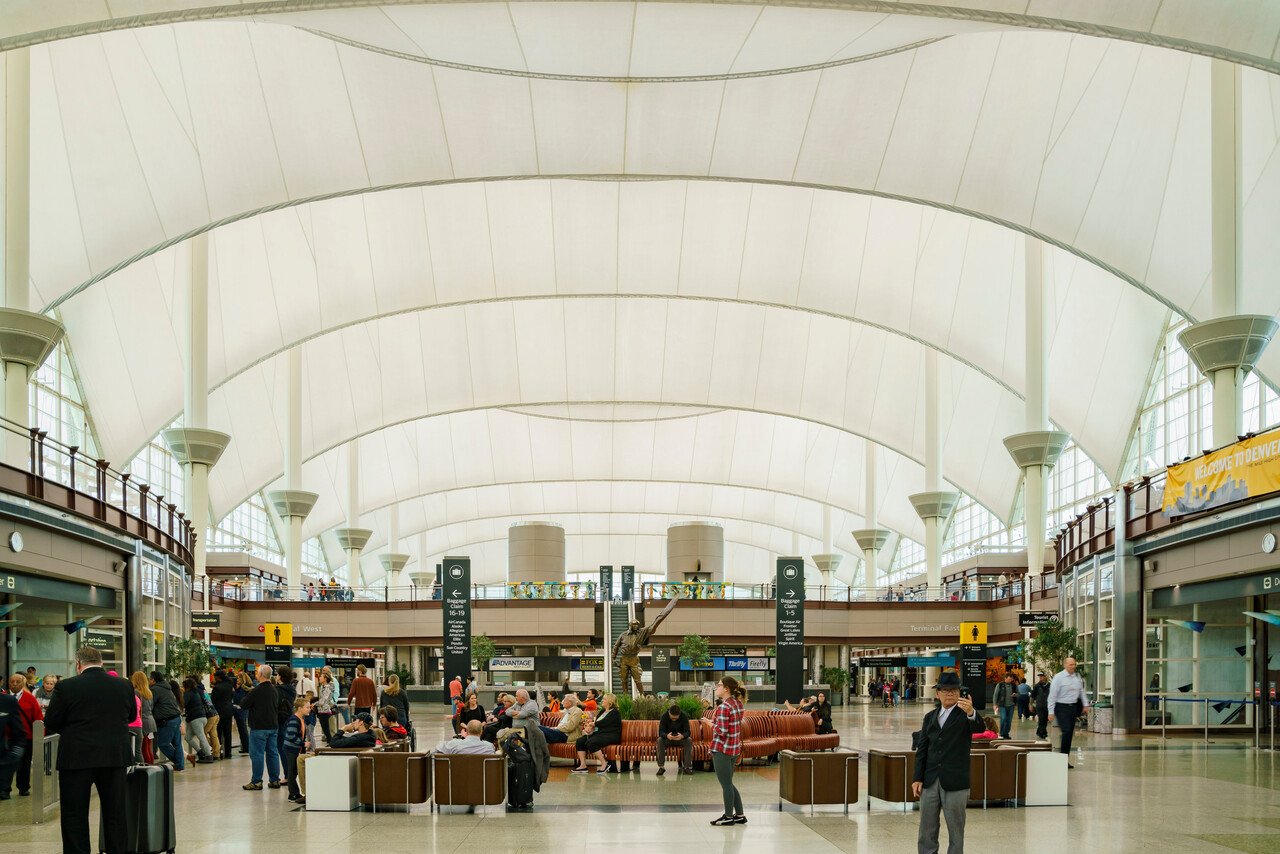
Denver International Airport covers close to 136 square kilometers, giving it the top spot in the United States for land area. You feel that scale the moment you start walking toward your gate. Concourses sit far from the main terminal, and some remote gates add even more distance. A tight connection here is risky unless you plan your route with care. Travelers often report that moving between concourses or getting from train to gate involves extended walks that challenge your timing if you underestimate the size.
3. Dallas Fort Worth International Airport, United States
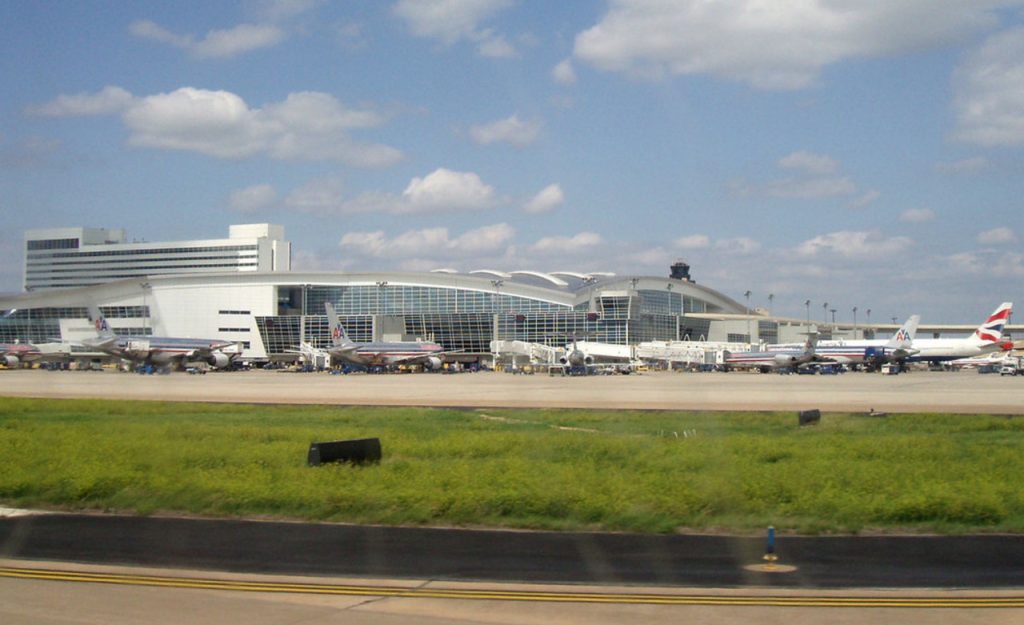 Bill Larkins, CC BY-SA 2.0 /Wikimedia Commons
Dallas Fort Worth Airport spans about 70 square kilometers, and its multiple terminals stretch across a wide area. Even with trains and shuttles, you still end up walking long sections inside the terminals. Some gates sit so far from central hall areas that you feel the distance in your legs, especially during a quick transfer. If you land at one end of a terminal and depart from the other, you should expect a real walk and plan accordingly.
4. Kuala Lumpur International Airport, Malaysia
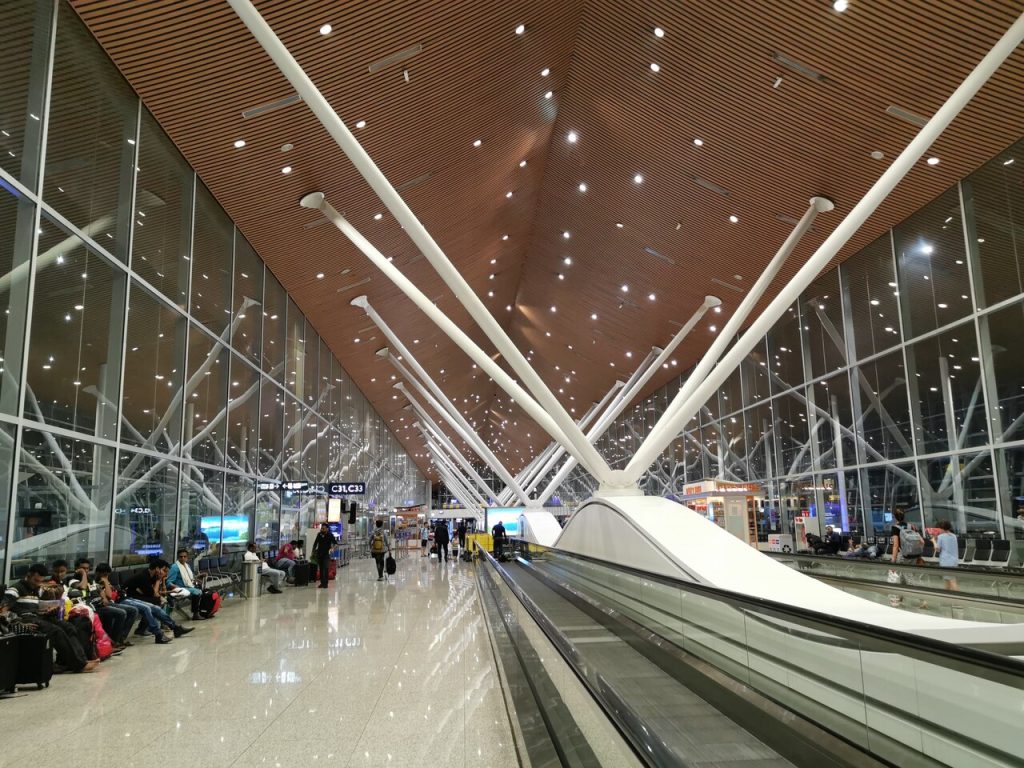 AhmadElq, CC BY-SA 4.0 / Wikimedia Commons
Kuala Lumpur International Airport covers close to 100 square kilometers, giving it one of the larger footprints in Asia. The terminals are separated widely, and gates often sit deep into the concourses. You might move through long corridors before reaching immigration or departure checkpoints. The layout spreads out passengers in a way that helps capacity but adds to your walking time, particularly if you switch terminals or arrive at an outer gate.Kuala Lumpur International Airport, Malaysia
5. Istanbul Airport, Türkiye
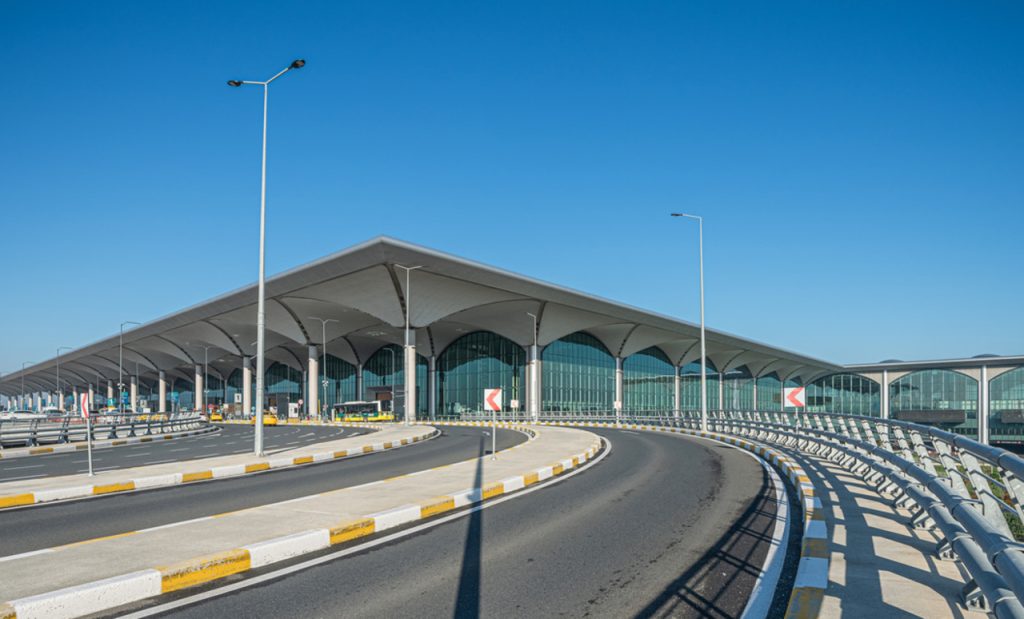 A.Savin, FAL/Wikimedia Commons
Istanbul Airport spans around 76 square kilometers and is known for its enormous terminal complex. Even though the design tries to create efficient flow, the building is vast. When you walk from check-in to the farthest gates, you feel the size immediately. Large open halls and long passageways mean your journey inside the airport takes real time. If your flight boards in a distant section, plan for significant walking before departure.
6. Orlando International Airport, United States
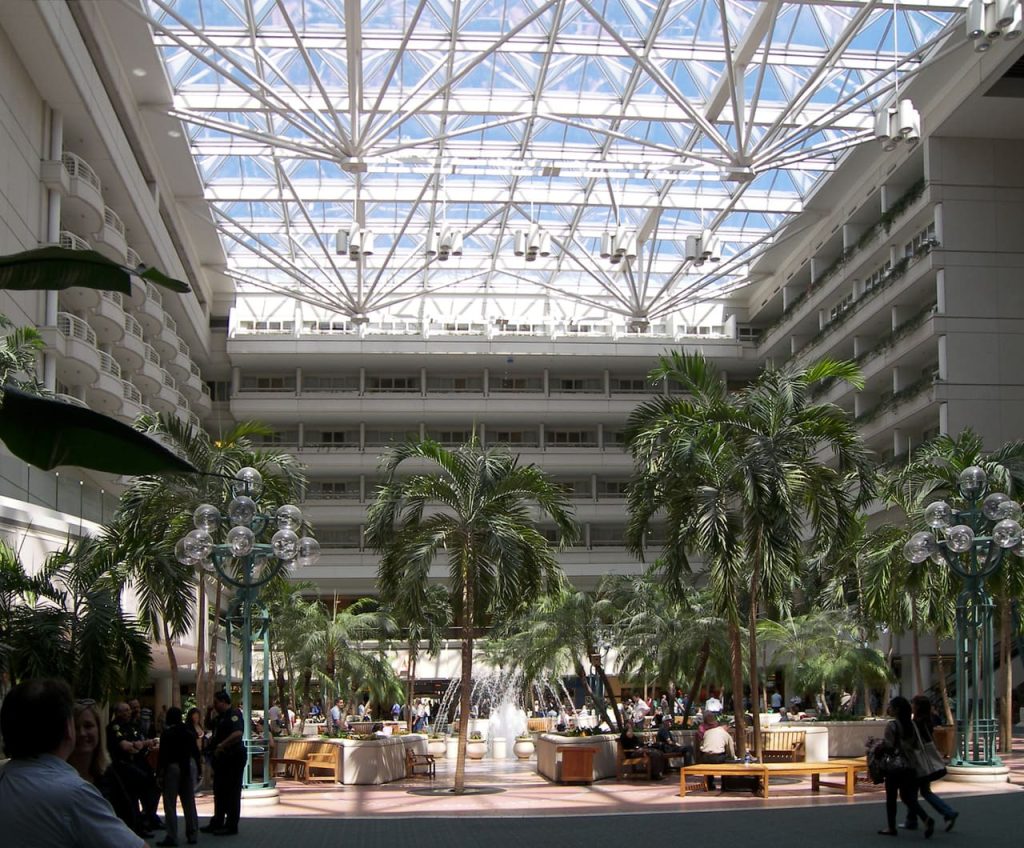 Larry D. Moore, CC BY 4.0 / Wikimedia Commons
Orlando International Airport covers roughly 54 square kilometers. Within that space, multiple concourses sit away from the main terminal, which forces you to walk through long stretches of hallway once you arrive at your gate zone. Depending on where your aircraft parks, you may walk a substantial distance before reaching baggage claim or security on your return trip. The layout works well for flow but demands more steps from travelers.
7. Washington Dulles International Airport, United States
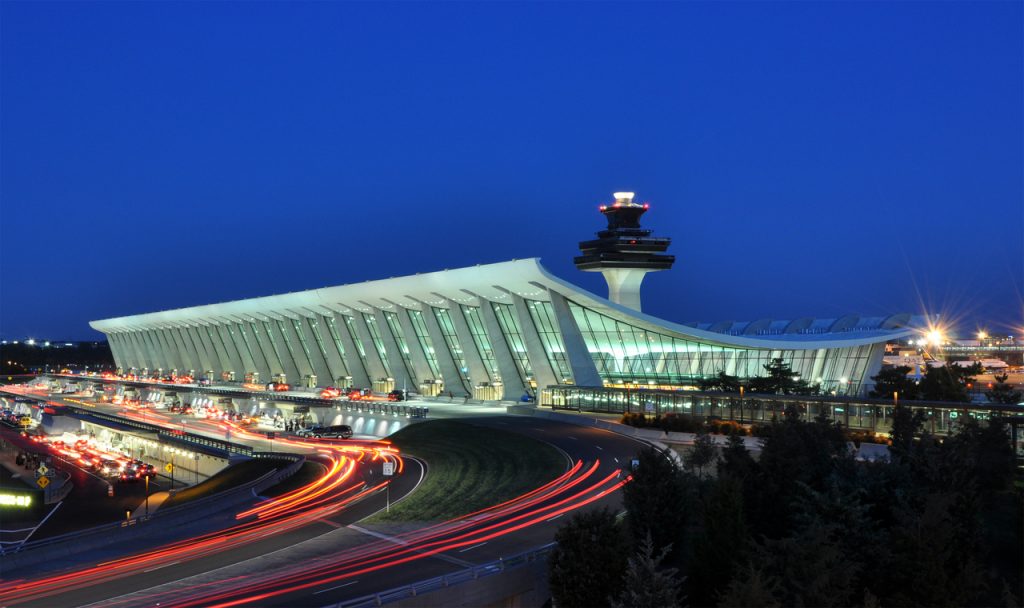 Joe Ravi, CC BY-SA 3.0 / Wikimedia Commons
Washington Dulles Airport occupies nearly 49 square kilometers. The terminals are arranged in elongated shapes, and some concourses stretch far from the main building. If you land at a remote gate or need to reach an opposite wing, you should expect a long walk, sometimes through packed corridors during busy periods. Even with transport systems in place, many routes still require walking across extended spaces.
8. Beijing Daxing International Airport, China
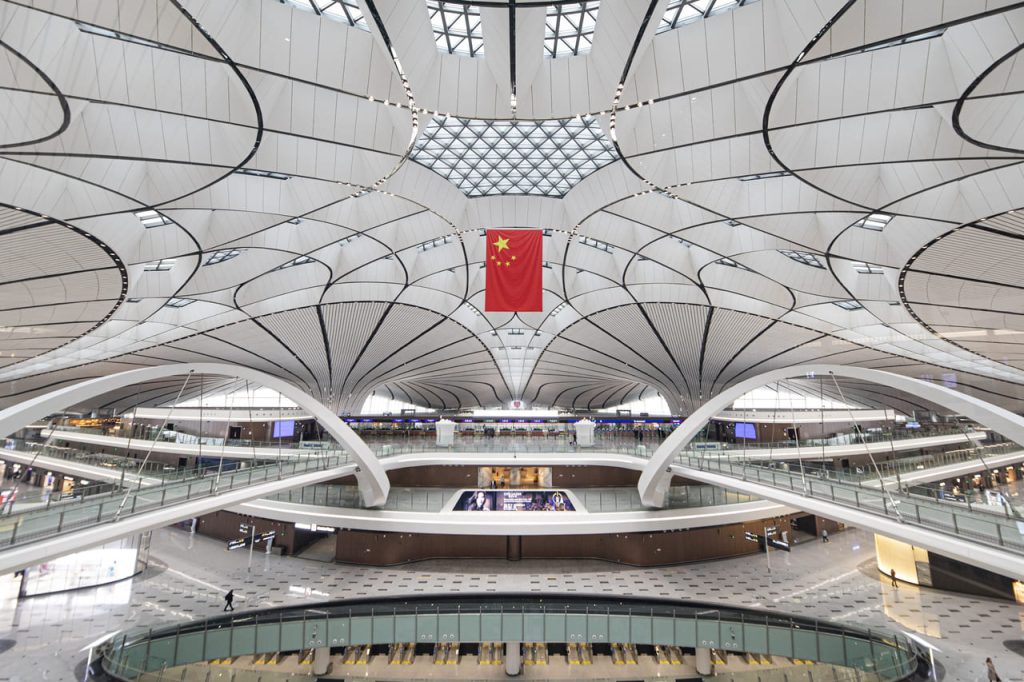 Arne Müseler / www.arne-mueseler.com, CC BY-SA 3.0 DE /Wikimedia Commons
Beijing Daxing Airport takes up about 47 square kilometers and includes one of the world’s largest terminal buildings. The design aims to bring passengers closer to gates, but the sheer size of the structure still means you face long internal walks, especially during transfers. Moving from security to the outermost gates can take a surprising amount of time. Even within a single connected hall, the distances are noticeable.
9. George Bush Intercontinental Airport, United States
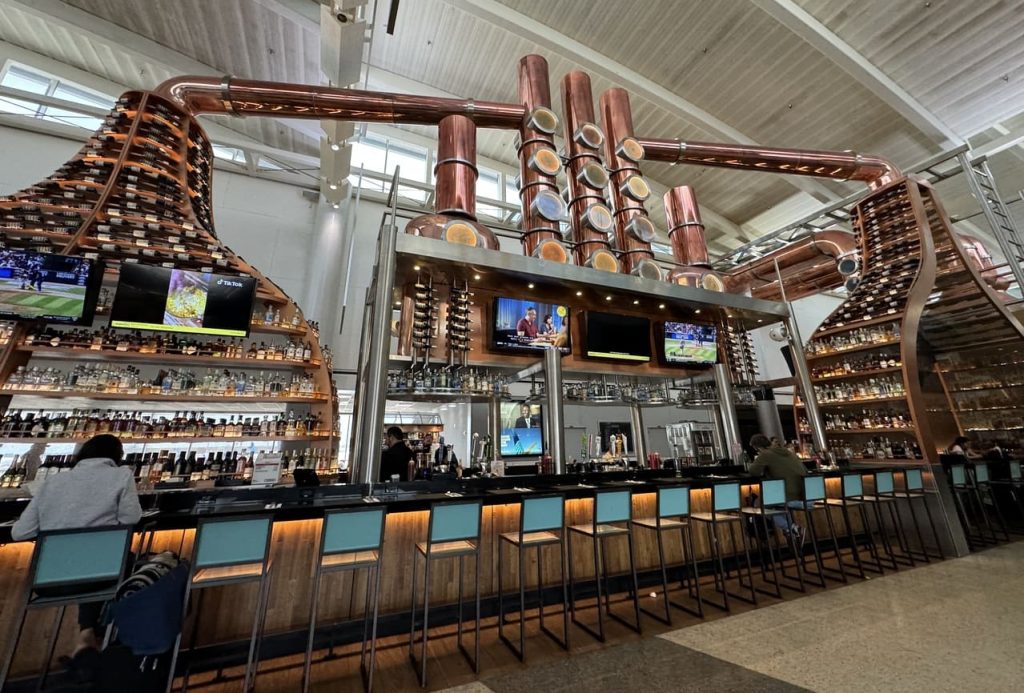 Missvain, CC BY 4.0 /Wikimedia Commons
George Bush Intercontinental Airport covers around 45 square kilometers. With several terminals placed across a wide field, you often walk more than expected to reach gates or baggage claim. If your trip involves transferring terminals, the walking time adds up fast. Many travelers find that even within a single terminal, getting from one end to the other feels longer than planned.
10. Shanghai Pudong International Airport, China
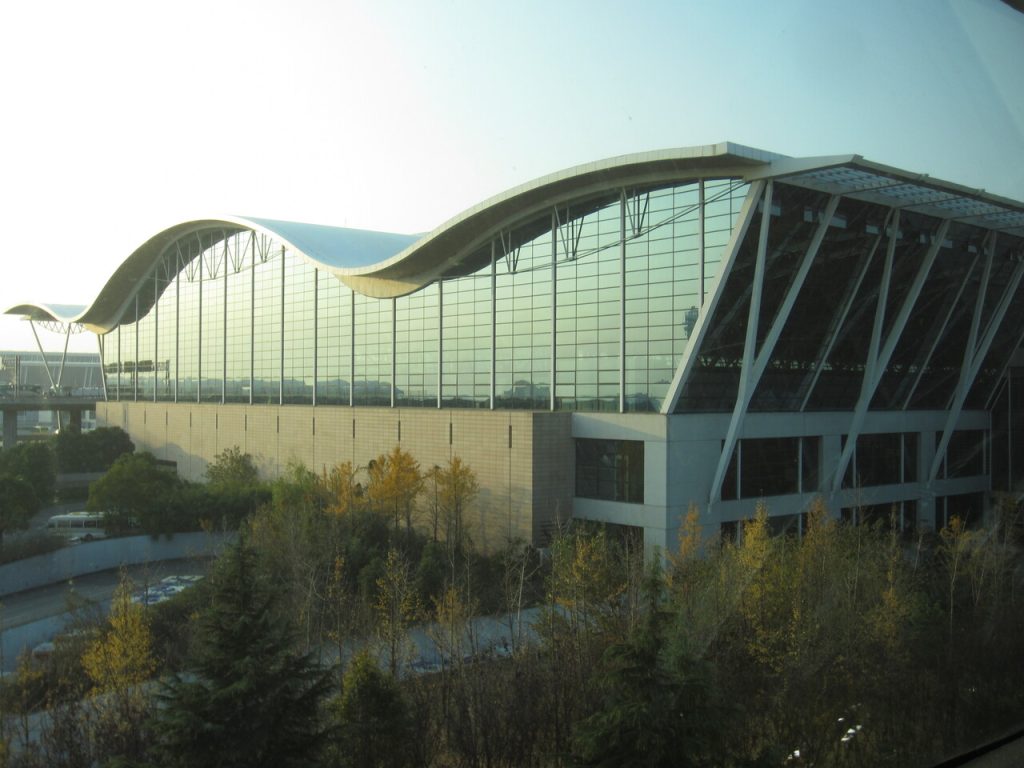 Another Believer, CC BY-SA 4.0 / Wikimedia Commons
Shanghai Pudong Airport spans nearly 40 square kilometers. It has large terminals with long concourses that stretch deep into the airfield. You feel the distance when you walk from the central terminal zone toward far gates, especially on international routes that use the outer ends. Even routine movements like reaching immigration or crossing to another wing can take several minutes of steady walking.
11. Cairo International Airport, Egypt
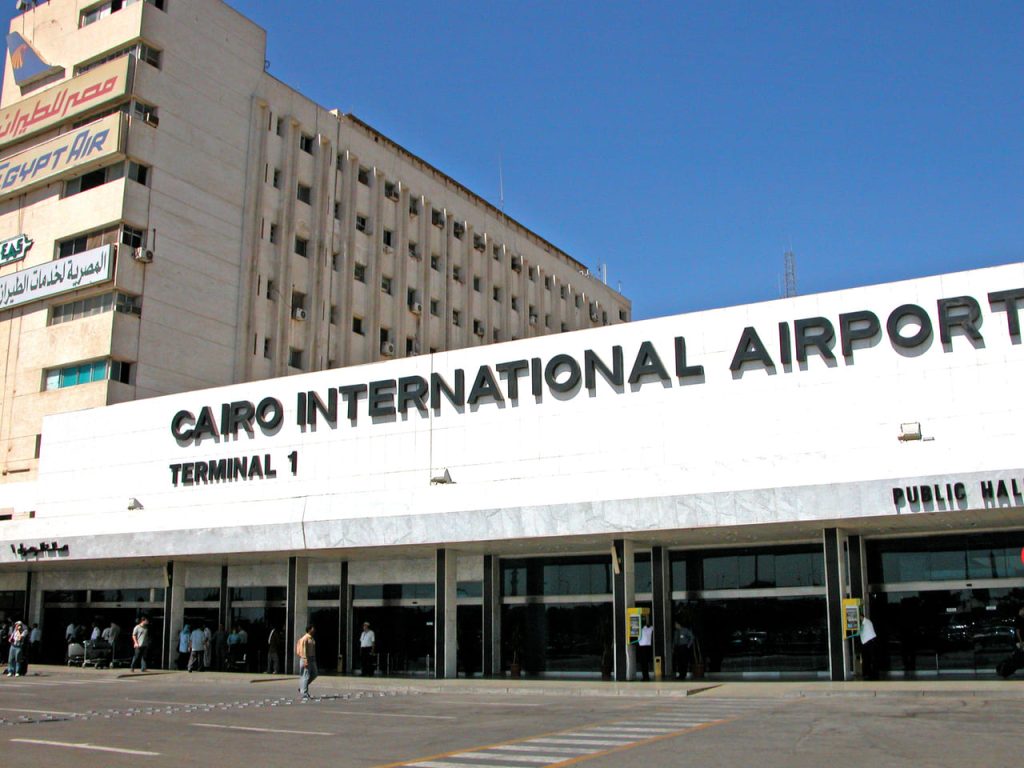 Dennis G. Jarvis, CC BY-SA 2.0/Wikimedia Commons
Cairo International Airport covers roughly 36 square kilometers. The terminals sit at noticeable distances from one another, and walking between them can test your timing if you have a short connection. Inside each terminal, the long corridors require you to plan extra minutes for boarding. Travelers who arrive during busy hours sometimes walk even more due to crowd flow and extended queues.
12. Suvarnabhumi Airport, Thailand
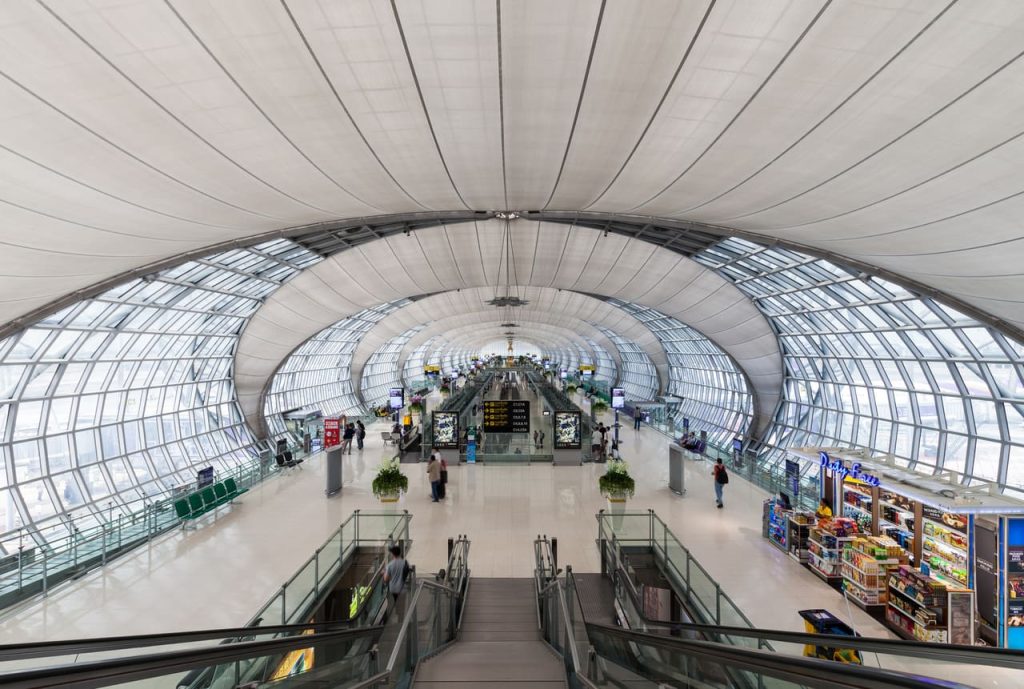 CC BY 4.0 / Wikimedia Commons
Bangkok’s Suvarnabhumi Airport occupies about 32 square kilometers. The terminal is famous for its length, and many passengers comment on how far they have to walk to reach certain gates. Moving from check-in toward the deeper parts of the concourse can feel like a slow march, especially when pulling luggage. Even though the airport manages traffic well, the distances are hard to ignore.
13. Paris Charles de Gaulle Airport, France
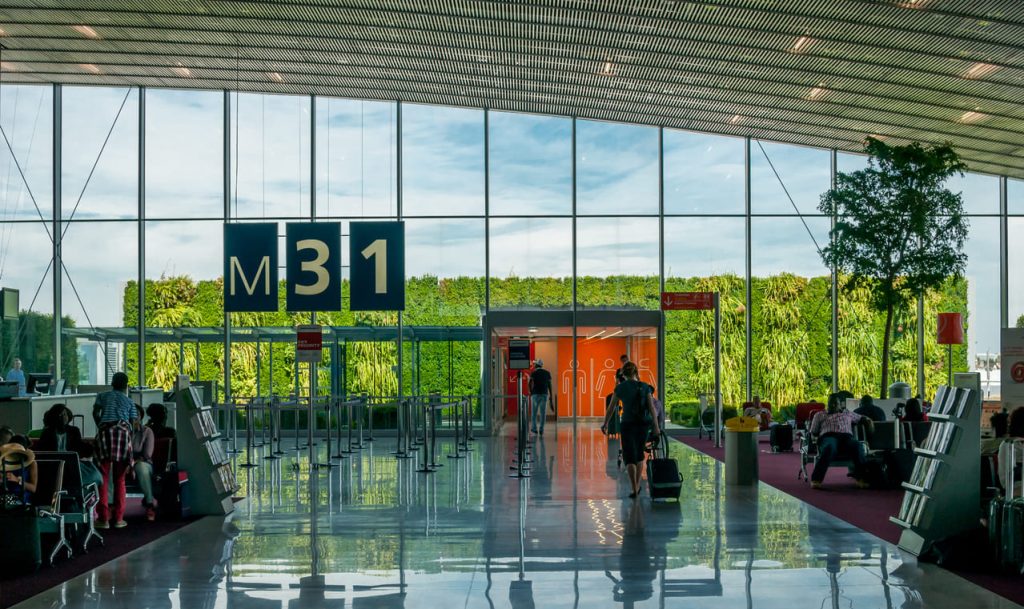 Wilfredor, CC0/ Wikimedia Commons
Paris Charles de Gaulle Airport covers nearly 32 square kilometers and includes several terminals that are spread across a large area. Some gates sit very far from arrival points, leading to long walks before boarding or baggage pickup. If you have a connecting flight here, plan for the possibility of extended routes through tunnels, corridors, and multi-level pathways.
14. Madrid Barajas Airport, Spain
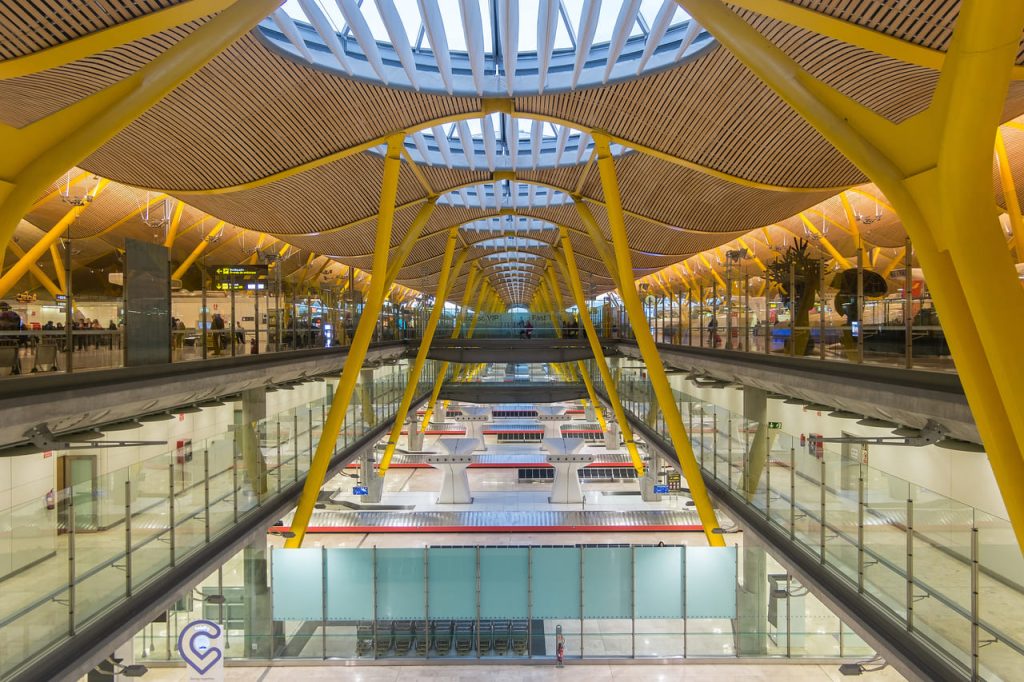 Ralf Roletschek, GFDL 1.2 / Wikimedia Commons
Madrid Barajas Airport spans about 31 square kilometers. Terminal 4 alone is known for its length and open interior, which can make the walk to distant gates feel long. When you connect between terminals or arrive at a gate deep in the concourse, you’ll likely cover more ground than expected. Moving between levels or across bridges adds extra distance too.
15. Dubai International Airport, United Arab Emirates
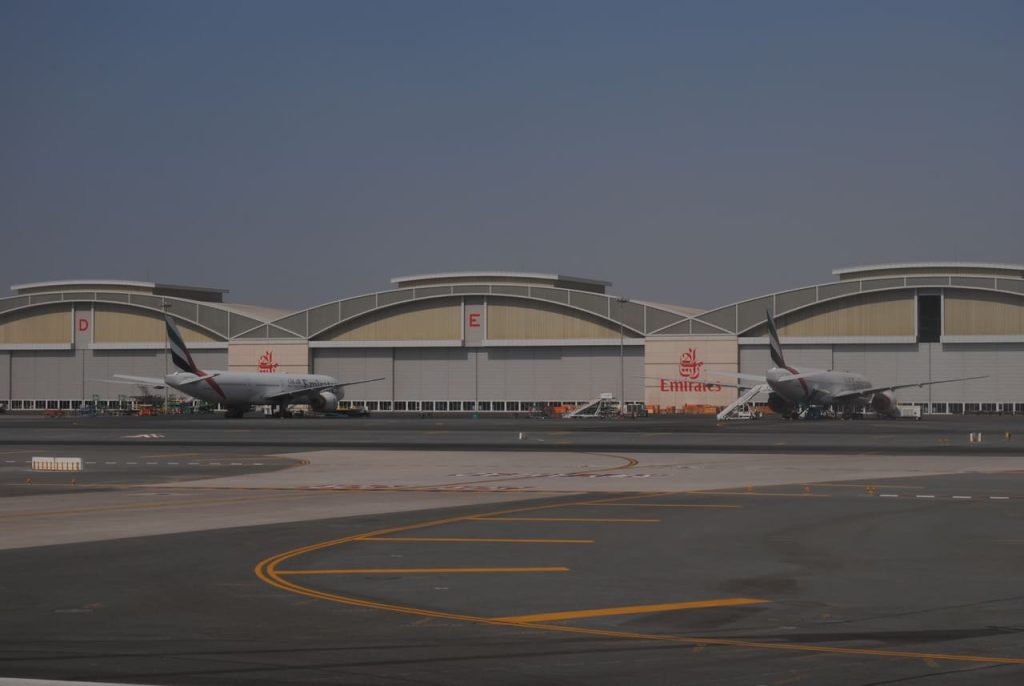 Andy Mabbett, CC BY-SA 4.0 /Wikimedia Commons
Dubai International Airport covers nearly 29 square kilometers, making it one of the biggest airports in the region. Terminals are large and often require long internal walks, especially in the busiest sections. If your flight uses an outer gate or if immigration sits far from your arrival point, expect extended time on foot. Even seasoned travelers mention the distance as something to plan around.
Like this post? share it, or pin it for later!
Like this:
Like Loading…
Related
Please visit:
Our Sponsor