
 Rosario Fernandes/Unsplash
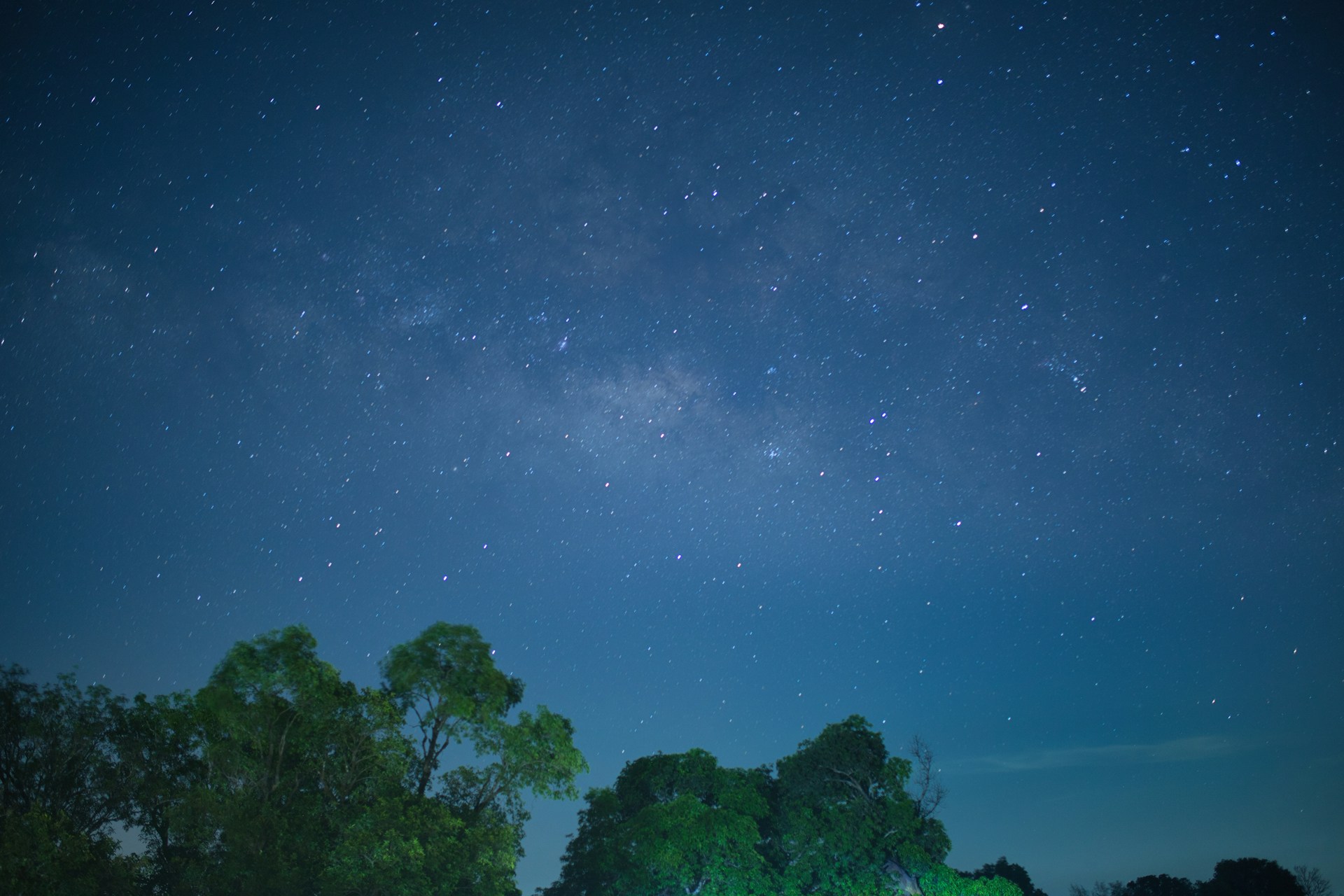
Astronomy tourism offers a unique chance to explore the cosmos from Earth’s most pristine dark sky locations. In the United States, designated Dark Sky Parks provide exceptional views of the night sky, far from city light pollution. These parks offer mesmerizing sights of stars, planets, and the Milky Way, making stargazing an unforgettable experience. They also host educational programs and festivals that deepen one’s appreciation of the universe’s wonders.
1. Bryce Canyon National Park, Utah
 Ken Cheung/Pexels
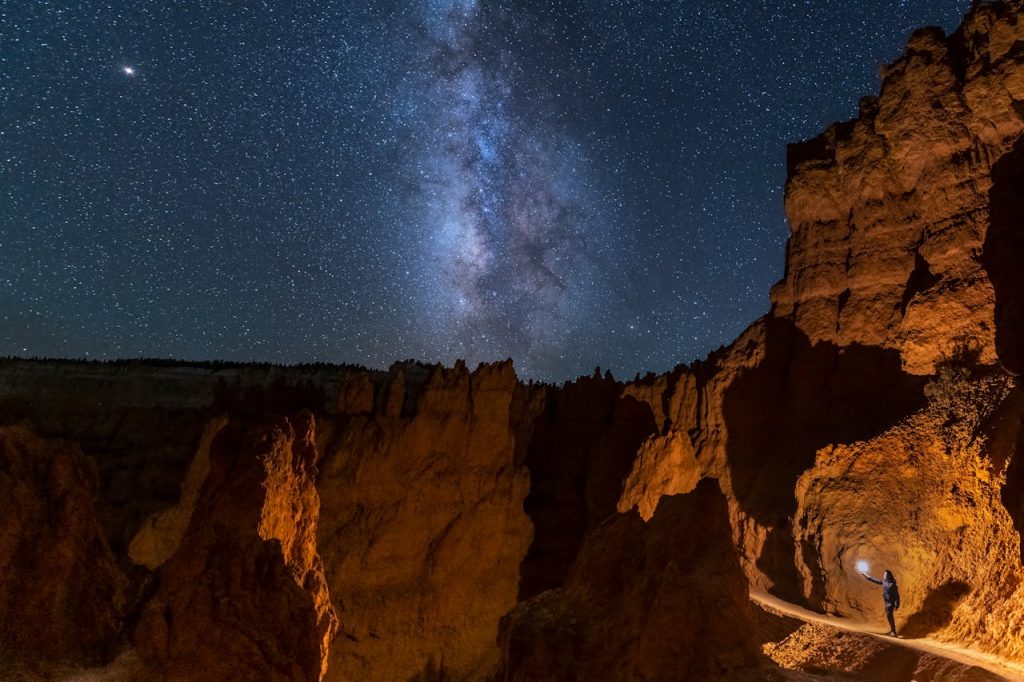
Bryce Canyon boasts breathtaking dark skies enhanced by its high elevation and dry climate. Famous for its striking hoodoo rock formations, it’s a gold tier Dark Sky Park. Visitors enjoy ranger led stargazing programs and an annual Astronomy Festival with telescopes and constellation tours. The clear air allows for crisp views of celestial phenomena, making it a must visit for astronomy enthusiasts and families alike.
2. Cherry Springs State Park, Pennsylvania
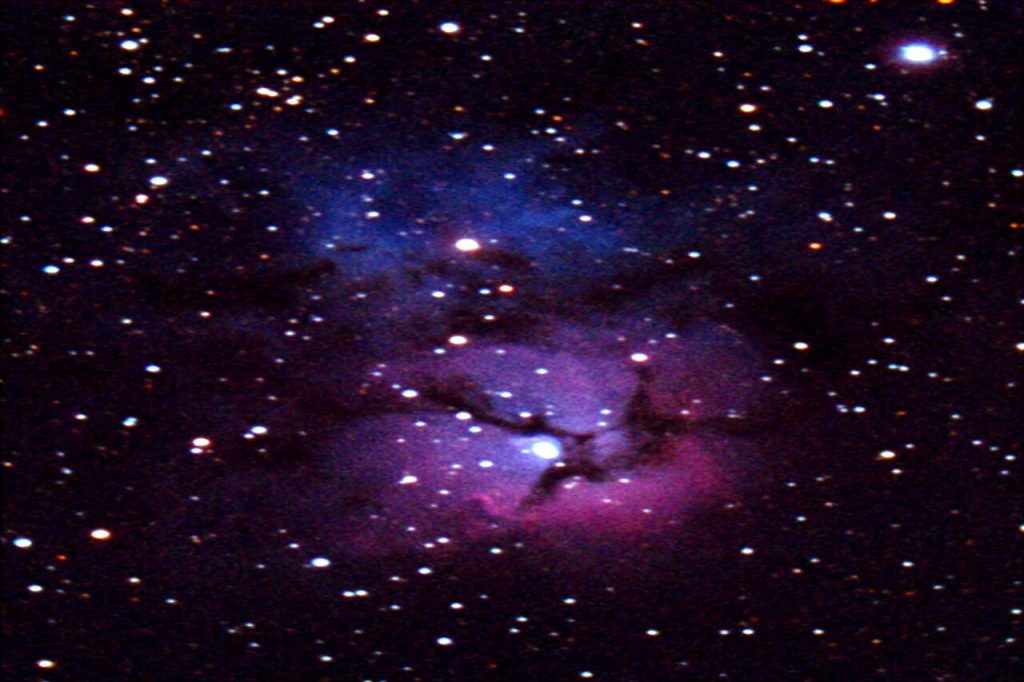 Kevin Wigell,CC BY-SA 3.0/Wikimedia Commons
Cherry Springs is a northeast gem perched on a 2,300-foot mountain, offering nearly perfect conditions for stargazing. Its Astronomy Observation Field provides 360-degree views of the Milky Way and countless stars. It is one of the best places in the eastern U.S. to glimpse the northern lights during fall and winter. The park hosts popular star parties that attract astronomy buffs nationwide.
3. Joshua Tree National Park, California
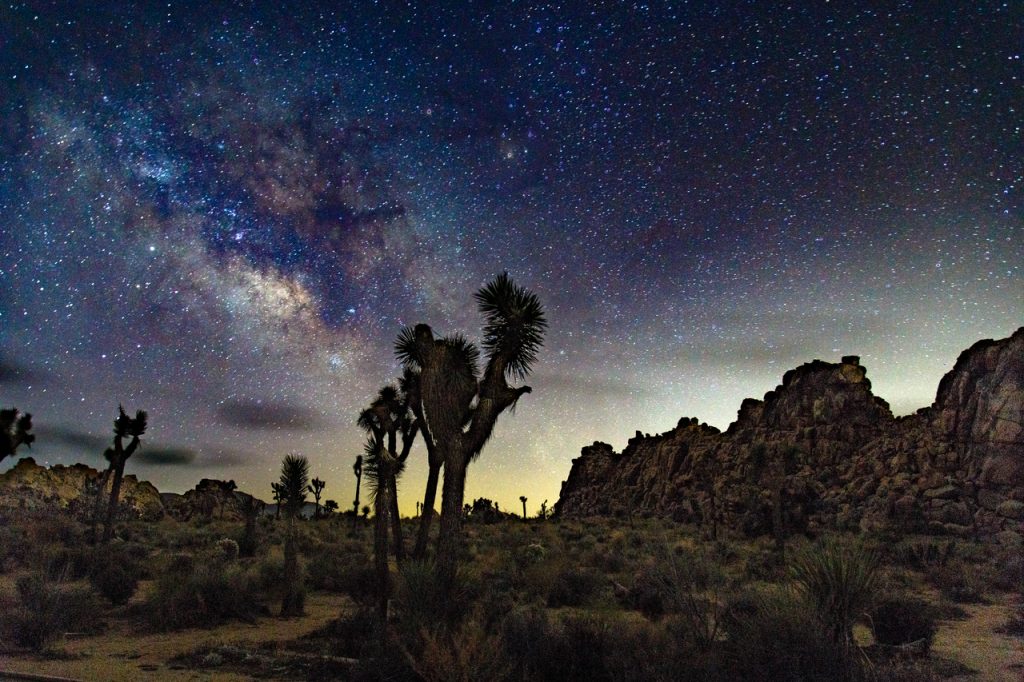 Henrique Pinto,CC0/Wikimedia Commons
Joshua Tree’s otherworldly desert landscape creates a surreal backdrop for star viewing. Its remote location minimizes light pollution, providing incredibly dark skies. The park’s striking formations and expansive desert plains make it a favorite for photographers and stargazers. It also offers guided night sky tours that educate visitors about constellations and planetary alignments.
4. Death Valley National Park, California/Nevada
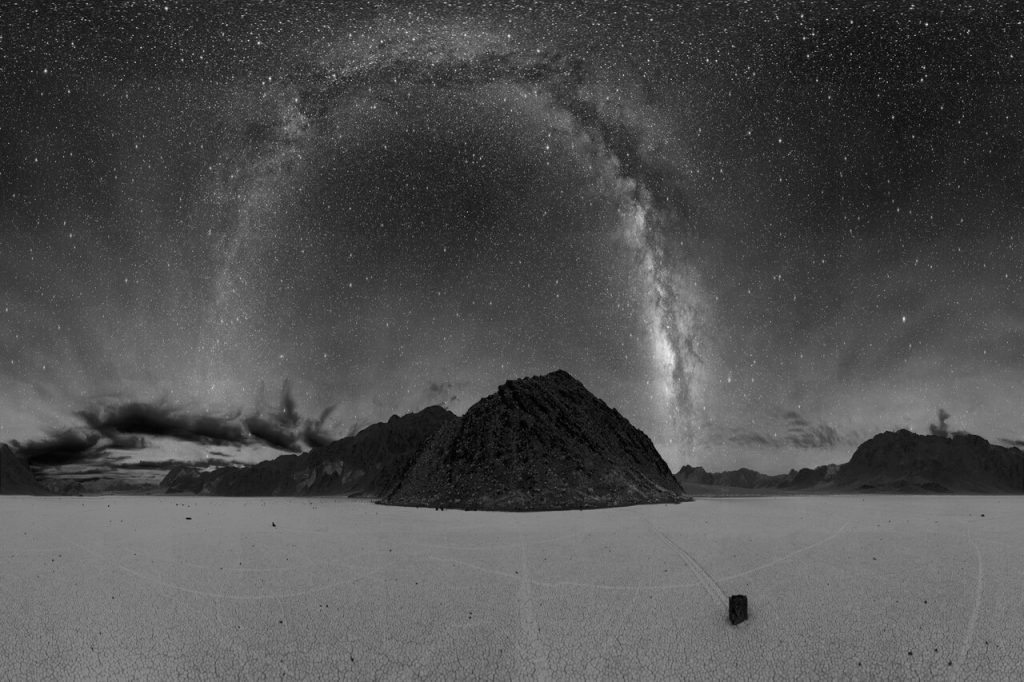 Dan Duriscoe,Public Domain,Wikimedia Commons
Known as one of the darkest places on Earth, Death Valley offers unparalleled stargazing opportunities. Its vast desert landscape and minimal light pollution reveal thousands of stars and deep-sky objects visible to the naked eye. Visitors can spot the Andromeda Galaxy and enjoy spectacular meteor showers, especially during the cooler months. The park hosts astronomy programs and events like the annual Dark Sky Festival, ideal for seekers of cosmic awe and stellar night experiences.
5. Capitol Reef National Park, Utah
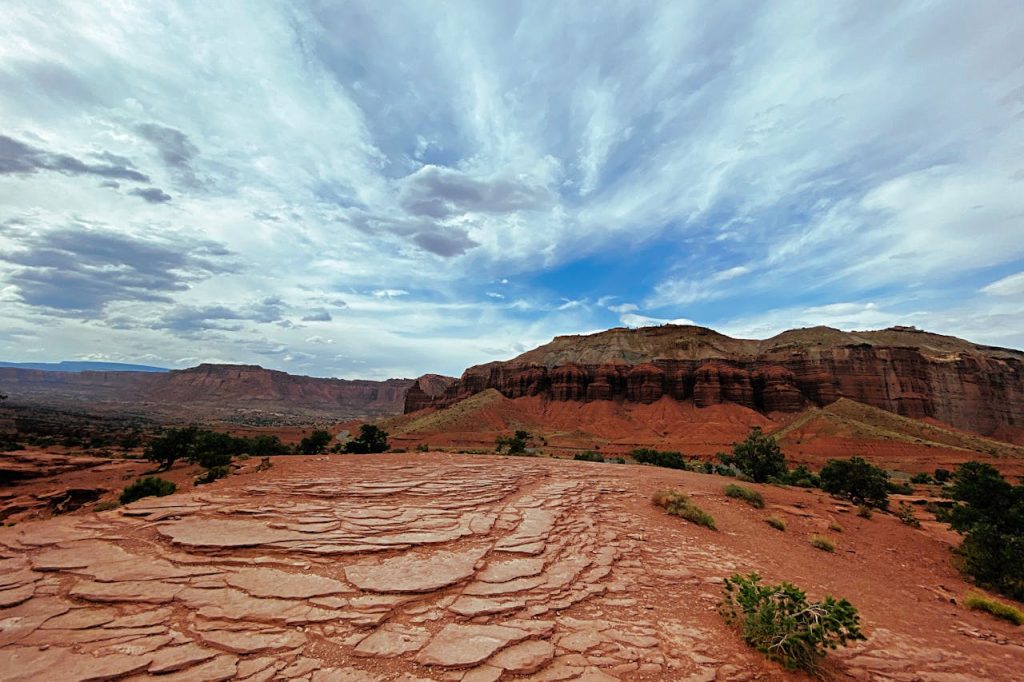 James Lee/Pexels
Capitol Reef’s secluded location and high elevation make it ideal for top-tier dark sky viewing. This Gold-tier Dark Sky Park offers weekly astronomy programs with telescope viewings and talks featuring shooting stars and planets. Low visitor numbers ensure peaceful nights perfect for deep stargazing. By day, visitors enjoy scenic hikes through dramatic red rock landscapes, providing a perfect balance between stunning natural beauty and immersive night sky exploration under pristine conditions.
6. Grand Canyon National Park, Arizona
 Ahmad Basem/Pexels
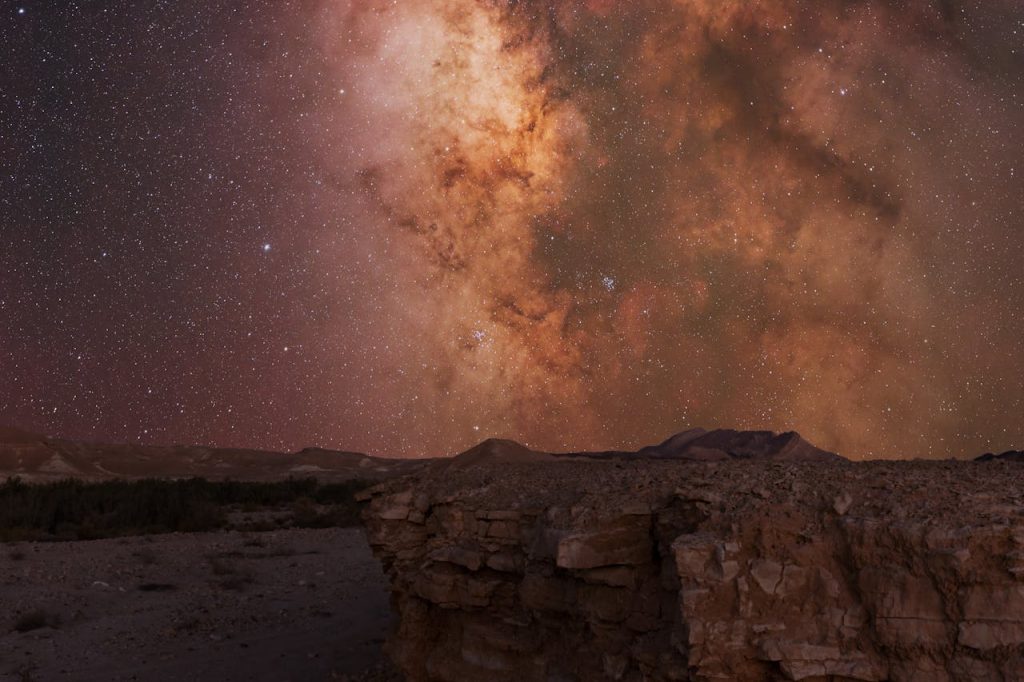
Famous for its vast landscapes, the Grand Canyon also offers incredible celestial views. The canyon’s openness enhances the stargazing experience, providing unobstructed horizons. Annual events like the Grand Canyon Star Party bring experts and families together for night sky tours and telescope use. Junior ranger programs engage children with astronomy activities, enriching their cosmic appreciation and making the Grand Canyon a top destination for both natural beauty and stunning night skies.
7. Great Basin National Park, Nevada
 National Park Service, Public Domain/Wikimedia Commons
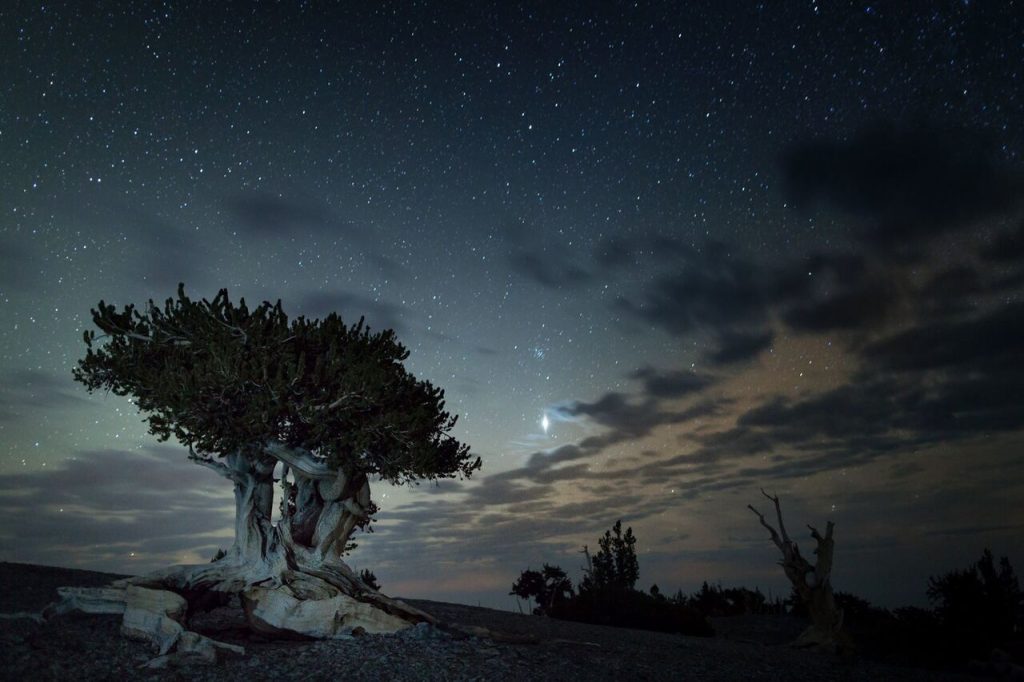
Great Basin National Park is a stellar destination for those seeking the darkest skies in the contiguous United States. Its high desert setting and remote location provide near-perfect night sky conditions with over 6,000 visible stars during peak seasons. The park offers ranger-led astronomy programs at its new Astronomy Amphitheater, where visitors can use donated telescopes to explore galaxies, nebulae, and planets. Designated an International Dark Sky Park in 2016, it draws astronomy enthusiasts eager to experience pristine celestial views and scientific exploration at the on-site Great Basin Observatory.
8. Big Bend National Park, Texas
 Sam Goodgame/Unsplash
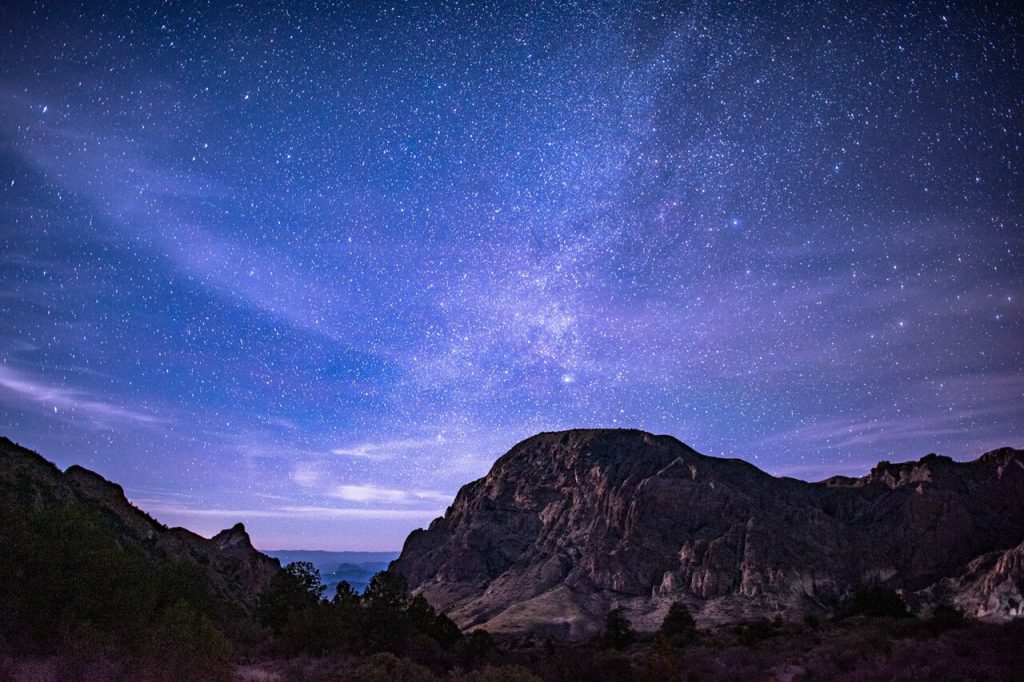
Big Bend National Park offers expansive, pristine dark skies covering the largest designated International Dark Sky Reserve on the U.S. Mexico border. Its desert and mountainous terrain provide minimal light pollution, allowing visitors to witness countless stars and the Milky Way’s bright band. Ranger led night programs include telescope viewings, constellation talks, and meteor shower watching. Stargazers should visit during new moon phases for optimal visibility, with popular spots like Sotol Vista and Santa Elena Canyon creating unforgettable celestial experiences.
Like this post? share it, or pin it for later!
Like this:
Like Loading…
Related
Please visit:
Our Sponsor