


 Thom Gonzalez/Pexels
The landscape of public education continues to experience notable change as families reconsider where they settle, often influenced by school performance, demographic shifts, and broader community trends. Several states have seen significant enrollment declines that reflect a mix of economic pressures, population movement, and shifting educational preferences. Many districts face challenges such as aging infrastructure, funding concerns, or rising living costs that prompt households to relocate in search of stability. These changes offer insight into how regional conditions influence family decisions over time. A closer look at the states experiencing the steepest losses highlights patterns tied to migration, urban development, and evolving expectations for academic environments. The movement away from certain school systems forms part of a broader national dialogue about opportunity, access, and long-term community planning.
California Enrollment Declines
 California’s public schools/CC BY 2.0/Wikimedia Commons
California’s public schools have seen years of enrollment decline driven by high housing costs, changing birth rates, and families moving to more affordable states. Many districts in both urban and suburban areas face shrinking class sizes, which affects long-term planning for staffing and infrastructure. The state’s large and diverse population creates regional variations, yet the overall trend reflects a broad shift that continues to reshape local communities. Rising costs in cities such as Los Angeles and San Francisco contribute significantly to household relocation patterns. As families search for stability in states with lower living expenses, California’s public school system must navigate a landscape shaped by shifting demographics.
New York Population Shifts
 Bruce Emmerling /Pixabay
New York has experienced noticeable enrollment drops due to population declines in several upstate regions paired with movement away from high-cost urban centers. Districts across the state face reduced student numbers that impact budgets and facility use. The challenging combination of aging infrastructure and economic transitions in former industrial areas plays a major role in these shifts. Many families have relocated to states with growing job markets and more attainable housing. The trend highlights ongoing changes within both metropolitan and rural communities, making enrollment patterns a key indicator of broader demographic transformation that continues to influence long-term planning and regional development strategies statewide.
Illinois Outmigration Trends
 Kseferovic/CC BY-SA 3.0/Wikimedia Commons
Illinois continues to see significant outmigration that contributes to falling public school enrollment across multiple regions. Financial strain within several districts, combined with concerns about statewide fiscal challenges, influences family decisions to leave. The decline has been particularly notable in areas facing population loss tied to economic restructuring. Many households have moved to states with stronger job growth or lower tax burdens, further accelerating the reduction in student numbers. As Illinois navigates these changes, public schools continue to adjust staffing, resources, and long-term planning to align with evolving community needs while managing shifting demographics and long-term economic pressures statewide.
Michigan Regional Declines
 Arthur S. Siegel/Public Domain/Wikimedia Commons
Michigan’s enrollment decline reflects long-term population shifts that began with the loss of manufacturing jobs in several regions, setting in motion demographic trends that continue to influence communities across the state. While some urban centers have seen revitalization through new industries and development, many districts still experience lower student numbers that stem from earlier economic transitions and reduced local employment opportunities. The state’s changing demographics influence funding formulas, district consolidation discussions, and long-term planning, particularly in rural communities where population loss remains more pronounced. Families seeking diversified employment opportunities often relocate to states with stronger economic expansion and broader job markets. These patterns reveal how historical industry shifts and evolving economic conditions continue to shape Michigan’s public school landscape and future planning needs.
Pennsylvania District Contractions
 Rdsmith4/CC BY-SA 2.5/Wikimedia Commons
Pennsylvania has witnessed enrollment decreases across a mix of rural, suburban, and former industrial areas. Many districts face population aging and reduced birth rates, which create long-term challenges for school planning and resource allocation statewide. Regions once centered around manufacturing have struggled to retain younger families, contributing to ongoing contraction in public school systems and shifting community dynamics. The state’s diverse geography means trends vary widely, yet the overall impact remains clear across multiple counties undergoing demographic transition. These shifts highlight how demographic change influences both local economies and educational structures while prompting discussions about consolidation, funding stability, and long-term planning.
Ohio Shifting Demographics
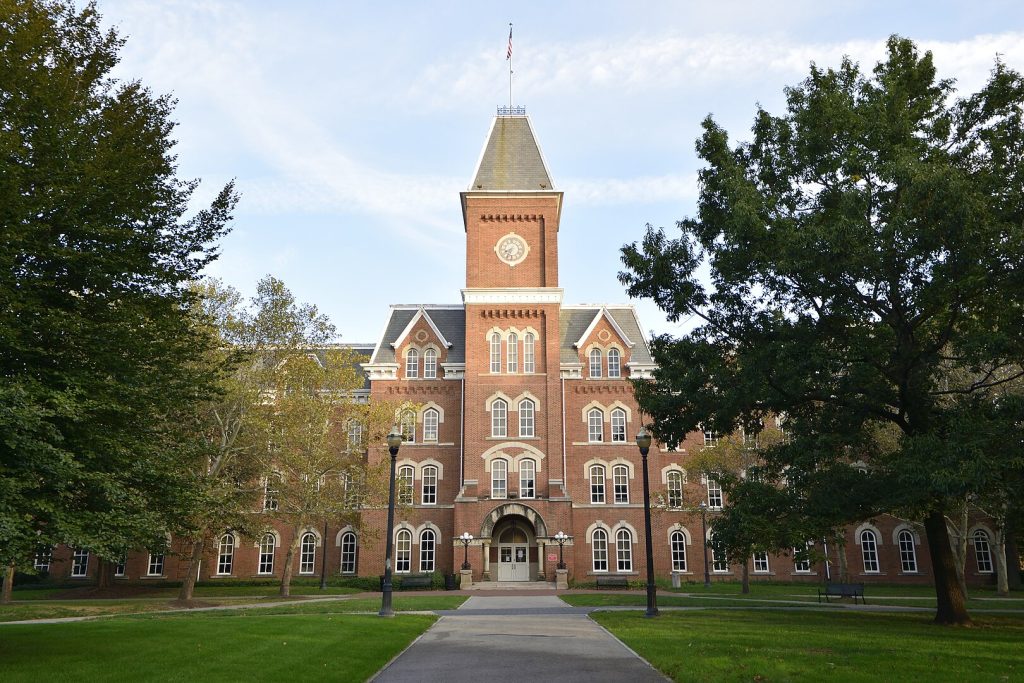 ?/CC0/Wikimedia Commons
Ohio’s public schools continue to experience enrollment decline tied to population trends in cities and small towns alike, reflecting long-term shifts that have reshaped many Midwestern communities. Many regions that historically relied on manufacturing have undergone economic transformations that reduced local job opportunities and contributed to steady outmigration. As families relocate to states with expanding industries, school districts face funding and staffing challenges connected to shrinking student populations and changing community needs. The demographic shifts also influence local planning as towns adapt to new economic realities and reconsider long-term development strategies. Ohio’s enrollment patterns mirror broader Midwestern trends linked to long-term population movement, economic restructuring, and shifting family priorities.
Massachusetts Enrollment Pressures
 Yelm/CC BY-SA 3.0/Wikimedia Commons
Massachusetts has seen public school enrollment decline despite its strong education reputation, largely due to falling birth rates and shifts in population distribution that influence long-term community growth. Many suburban districts face fewer incoming kindergarten students, creating significant changes in projections that guide staffing, budgeting, and facility planning. High housing costs in certain regions encourage some families to relocate to more affordable states, adding further pressure on enrollment numbers. Urban districts also experience fluctuations tied to shifting migration patterns and evolving neighborhood demographics. These trends underscore how demographic changes, economic factors, and shifting family needs can affect even states known for academic strength and long-standing educational stability.
New Jersey Shifting Population Patterns
 Jim.henderson/CC0/Wikimedia Commons
New Jersey’s public schools face enrollment declines influenced by high housing expenses, cost of living pressures, and shifting birth rates that have changed community growth patterns across the state. Many families have moved to neighboring states with more attainable housing or expanding job markets, contributing to steady reductions in student populations. Suburban districts once known for rapid growth now see slower enrollment trends that affect long-term resource planning, staffing decisions, and facility management. Urban districts continue to navigate changing demographics shaped by broader migration patterns, economic transitions, and shifting neighborhood populations. The statewide shifts highlight how economic factors interact with educational considerations as families make relocation decisions that reshape public school systems.
Louisiana Migration Changes
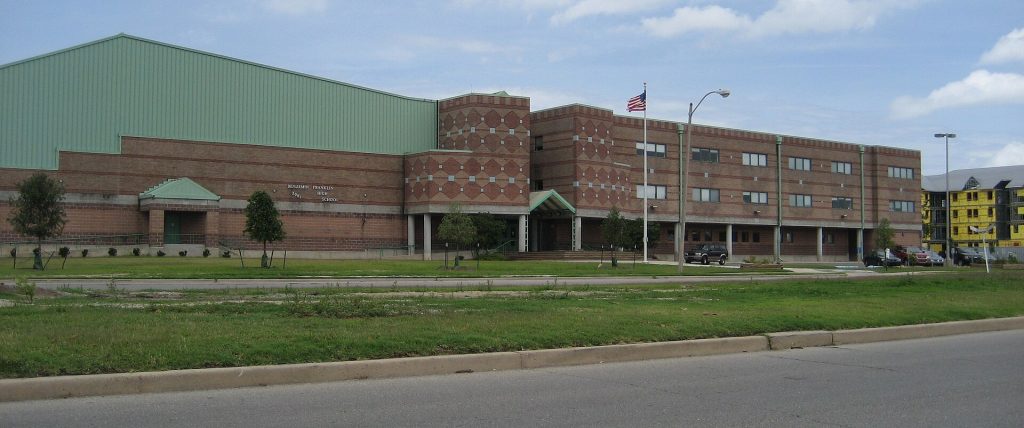 Infrogmation/CC BY 2.5/Wikimedia Commons
Louisiana has experienced declining public school enrollment shaped by migration patterns, economic transitions, and population shifts following major weather events that affected several regions across the state. Many communities continue to adjust to long-term changes in employment opportunities tied to energy, shipping, and industrial sectors that once supported stable population levels. Families relocating to states with diversified economies contribute to gradual reductions in district populations as they seek greater stability and broader career options. Rural areas face particular challenges as younger households move to metropolitan regions or out of state, leaving schools with shrinking class sizes and fewer resources. These combined factors reveal how environmental pressures, economic restructuring, and demographic change continue to influence educational systems across Louisiana.
Like this post? share it, or pin it for later!
Like this:
Like Loading…
Related
Please visit:
Our Sponsor