


 ben o’bro/Unsplash
Across the country, parents speak with increasing candor about the small daily stresses that accumulate when a local school system stops meeting their children’s needs. These conversations often begin quietly, perhaps at a park bench or after a long workday, yet they shape major decisions about where families choose to live. Some states face growing tension as funding gaps widen, teachers leave midyear, or policy disputes interrupt classroom routines. Others struggle with uneven access to support services or outdated facilities that cannot keep up with current needs. In each case, families describe a similar feeling: the school day should be steady, and when it is not, they start looking elsewhere.
California
 Lala Miklós/Unsplash
California’s schools vary dramatically from one district to the next, and many families feel that the range in quality has grown wider in recent years. Parents describe classrooms packed beyond comfort, rotating substitutes who cannot establish continuity, and inconsistent access to the arts or advanced coursework. These daily disruptions push some households to search for quieter districts or to leave the state altogether for places where class sizes are smaller and school routines feel more predictable. Moves are often motivated by simple goals such as shorter bus rides, clearer communication, and a sense that staff have the time and resources to support children as individuals. The state invests heavily in education, yet the uneven distribution of benefits continues to influence relocation choices.
Texas
 MJ Tangonan/Unsplash
Texas grows quickly, and its schools often struggle to keep pace with the number of new students arriving each year. Families describe portable classrooms lined up behind main buildings, waitlists for programs that once accepted nearly everyone, and teachers who shoulder extra duties because districts cannot hire fast enough. In many communities, parents face a choice between crowded local schools and distant alternatives that require long commutes. These pressures lead some to move to smaller towns or neighboring states where enrollment is steadier and teacher retention is stronger. The desire is not extravagant; it is rooted in the hope for consistent instruction, a counselor who has time for meaningful conversations, and classrooms where students can be seen rather than managed.
Florida
 Rob Olivera, CC BY 2.0 / Wikimedia Commons
Florida sits at the center of national debates over curriculum and classroom policy, and many parents say those shifts create turbulence that reaches their children’s desks. Some schools change course structures with little notice, and families find themselves scrambling for clarity about expectations and support services. Teachers often express concern about conflicting guidelines, making it difficult to build stable routines. For some families, the uncertainty becomes exhausting, prompting them to move to states with clearer academic standards or to districts where policy swings feel less abrupt. They often describe the same hope: a calm, focused school day where children can learn without being caught in broader disputes.
Arizona
 Grombo, CC BY-SA 3.0 / Wikimedia Commons
Arizona has faced long term strain in its public schools, and parents speak openly about how shortages of experienced educators and aging facilities shape their decisions. Many classrooms rely on new teachers who leave after a year or two, leaving students to adjust repeatedly to unfamiliar faces. Some families relocate to districts known for stronger support systems or choose areas where tax bases more readily fund repairs and materials. Others turn to charter programs or home schooling because they feel the public system cannot guarantee consistency. These are not dramatic decisions but practical ones born from the need for stable routines and dependable access to core subjects.
New York
 Life Of Pix/Pexels
New York’s schools range from high achieving campuses with extensive resources to districts where families struggle with crowded halls, deteriorating buildings, and uneven academic offerings. Parents often describe long waits for specialized programs, limited seats in advanced classes, and shortages in counseling staff. When families cannot secure the opportunities they believe their children need, they move to suburbs or smaller towns with steadier funding and simpler logistics. Even in well known districts, the constant competition for space and services can push parents to look beyond state lines. Their decisions echo a familiar theme: they want their children to learn in buildings that feel cared for and in classrooms where the pace encourages real growth.
North Carolina
 Gene Gallin/Unsplash
North Carolina grows rapidly, and parents in expanding regions notice that school resources do not always keep up. Families talk about limited elective choices, understaffed special education programs, and a shortage of counselors who can guide teenagers toward college or career plans. Rural communities face different constraints, often tied to long bus routes and fewer opportunities for advanced coursework. Moves typically follow the search for stronger academic pathways or districts where extracurricular programs remain accessible. Parents emphasize that they are not chasing prestige; they want a school day that feels complete rather than pieced together, and they want staff who have enough bandwidth to nurture students rather than simply keep pace.
Colorado
 Sarbjit Bahga, CC BY-SA 4.0 / Wikimedia Commons
Colorado’s appeal brings steady population growth, yet its schools sometimes struggle to stretch limited facilities and staffing across widening needs. Families describe classrooms that shift teachers midyear, electives trimmed because instructors cannot be hired, and long travel times between home and school. These everyday challenges lead some households to search for communities where enrollment is stable and staff turnover is less common. Moves are rarely rushed; they emerge from long conversations about how to protect a child’s sense of routine. Parents often say they want classrooms where teachers can settle in and commit to long term relationships rather than constant transitions.
Michigan
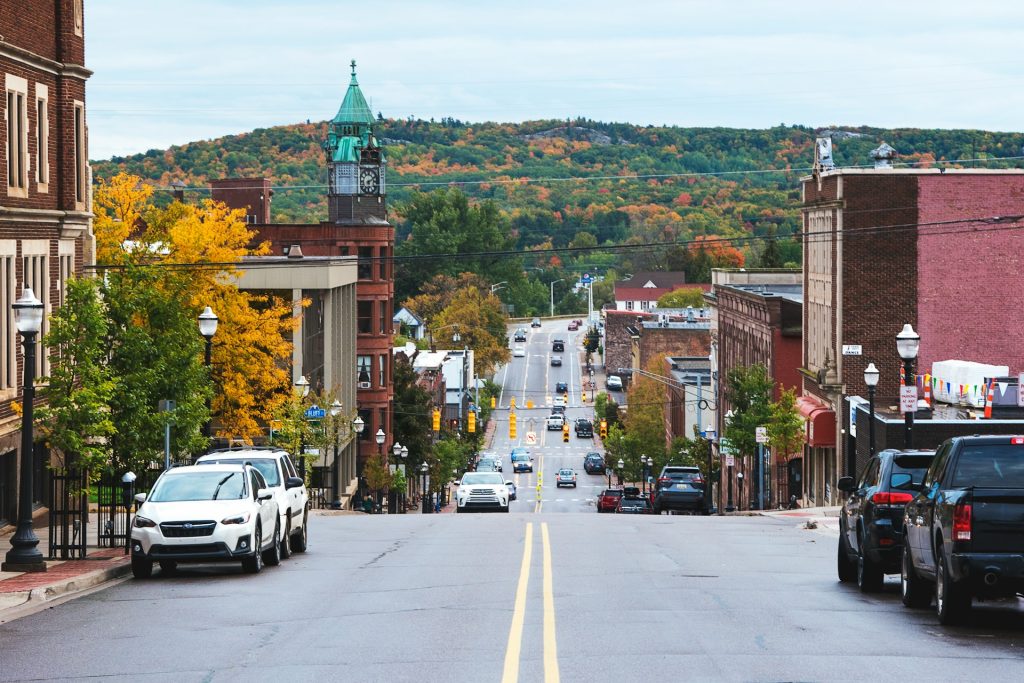 Gary Meulemans/Unsplash
Michigan’s school experience varies sharply from district to district, and parents sometimes feel that the system offers a lottery rather than a guarantee. Older buildings need frequent repairs, and staffing shortages reduce access to arts, technical training, and counseling. When families cannot secure the resources they feel their children deserve, they move to communities with more predictable funding or choose charter arrangements that promise steadier schedules. Their decisions reflect a desire for environments where teachers have the tools to do their work well, where support services are accessible, and where maintenance issues do not regularly disrupt learning.
Georgia
 Tomáš Malík/Pexels
Georgia’s rapid development magnifies the contrast between well funded districts and areas where schools feel stretched thin. Parents talk about large class sizes, limited enrichment options, and a sense that some campuses carry workloads beyond what their staff can reasonably manage. The imbalance pushes families to relocate to towns with smaller schools or districts known for strong counseling programs and reliable communication. Moves are shaped by practical hopes: a homeroom teacher who has time for real conversations, a school library that stays open after classes end, and an academic path that feels steady from year to year.
Like this post? share it, or pin it for later!
Like this:
Like Loading…
Related
Please visit:
Our Sponsor