
 Walkerssk / Pixabay
When you visit a mosque, you step into a space that blends faith, architecture, and community in a way you feel immediately. You see how each region shapes its own approach to design, hospitality, and modest dress, and you start to understand why visitors are asked to follow certain rules. You’re not just walking through a historic building; you’re stepping into a living tradition. When you move respectfully, you’re welcomed warmly, and you leave with a clearer sense of how these places anchor daily life for the people who rely on them.
1. The Blue Mosque, Istanbul
 Christoph O. P. Wieduwilt / Pixabay
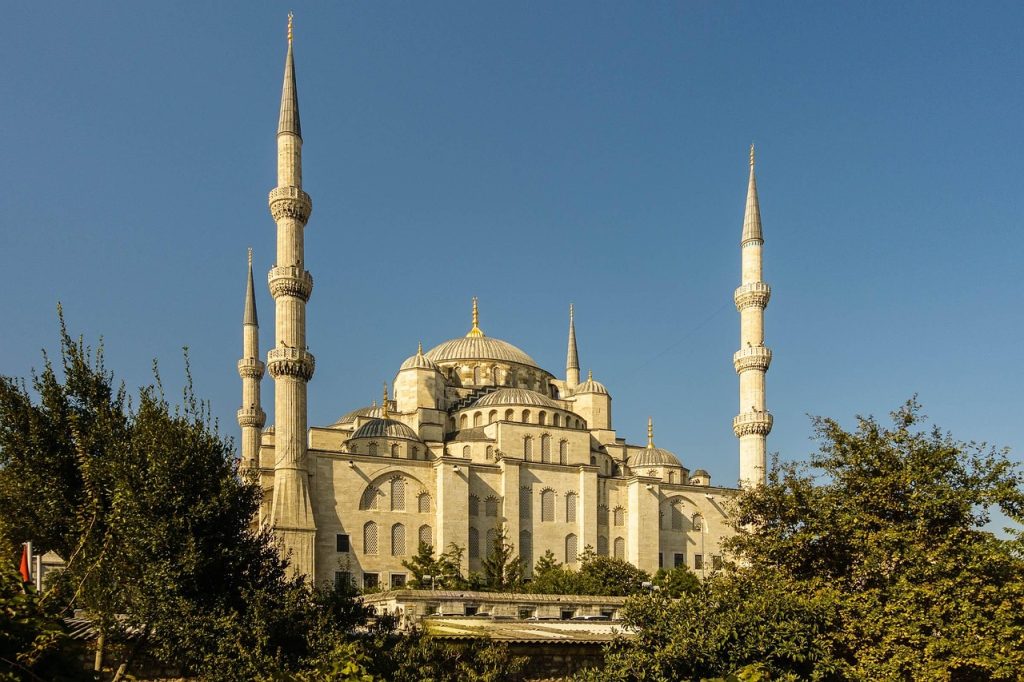
You walk into the Blue Mosque and feel its size before you make sense of the details. The blue ?znik tiles catch the light from more than 200 windows, and the space opens around you in a way that makes you slow down. You’re expected to dress modestly, and coverings are usually provided at the entrance, so you aren’t left guessing. Guides on-site explain prayer times, which helps you plan your visit without interrupting worship. The building’s mix of Ottoman scale and quiet corners gives you room to pause and take in the way the space is still used every day.
2. Sheikh Zayed Grand Mosque, Abu Dhabi
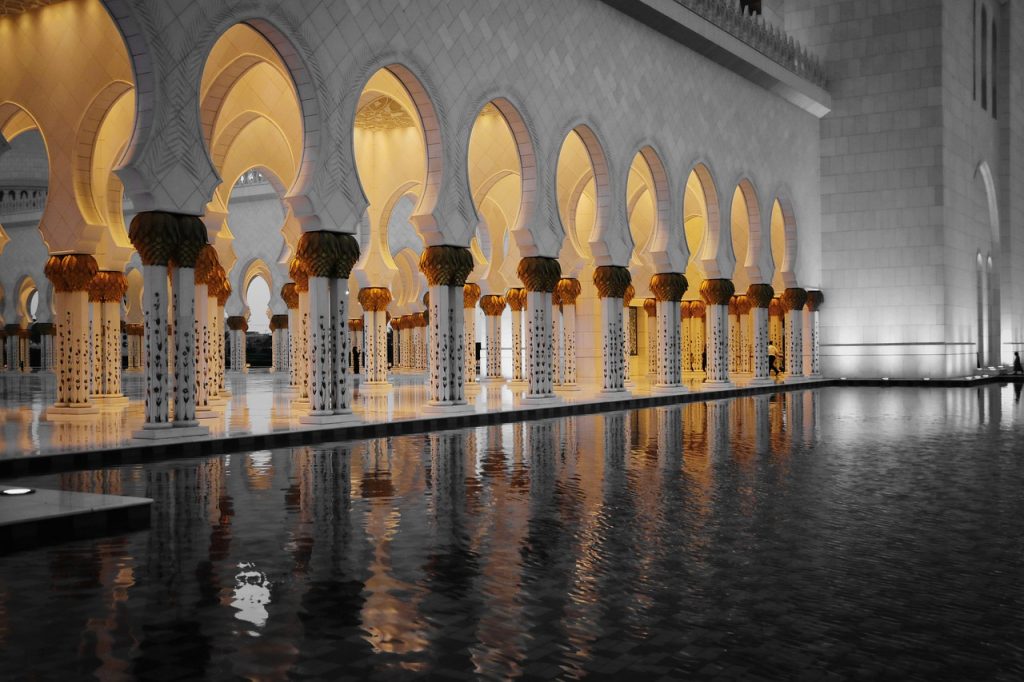 Salman Ahmed / Pixabay
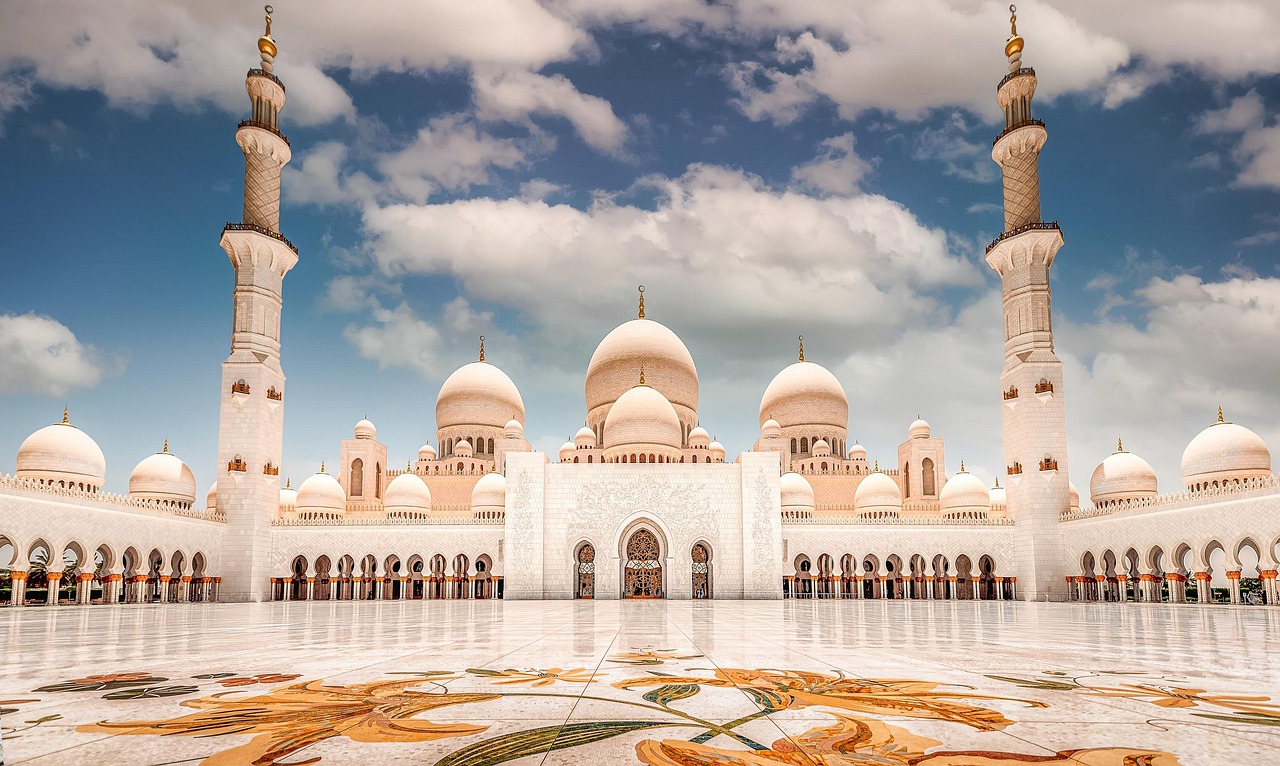
When you visit this mosque, the white marble hits you first, then the stillness. You walk under rows of columns inlaid with semi-precious stones, and the calm feels intentional. You’re given clear instructions about dress at the entrance, and staff help you adjust if needed so you feel comfortable instead of singled out. The prayer hall’s vast carpet and chandeliers are well-documented in architectural studies, and you can feel the precision of the craft when you stand in the center. Moving slowly through the courtyard lets you see how the design balances openness with quiet reflection.
3. Hassan II Mosque, Casablanca
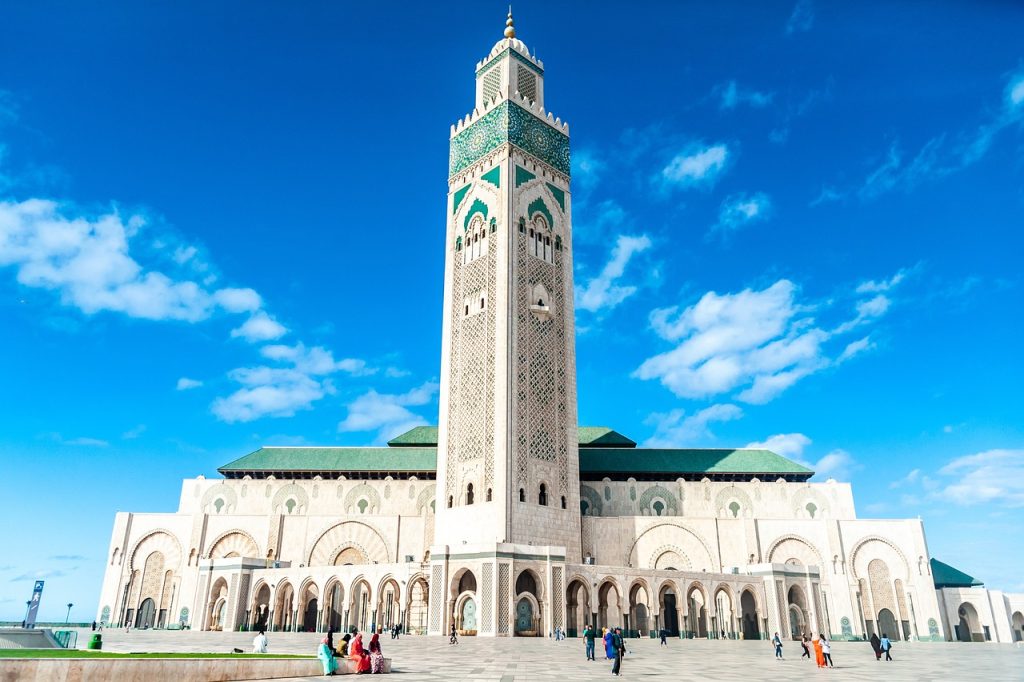 postcardtrip /Pixabay
You step into a place where the ocean meets the building, and you feel it in the breeze that moves through the open arches. The minaret’s height is often mentioned in architectural surveys, but what stays with you is the way sunlight shifts across the carved cedar and marble floors. You follow a modest dress code here too, though it’s explained clearly by attendants who guide visitors each day. The guided tours walk you through both the public and ritual parts of the mosque, giving you context that helps you understand why the design emphasizes water, openness, and craftsmanship.
4. Sultan Qaboos Grand Mosque, Muscat
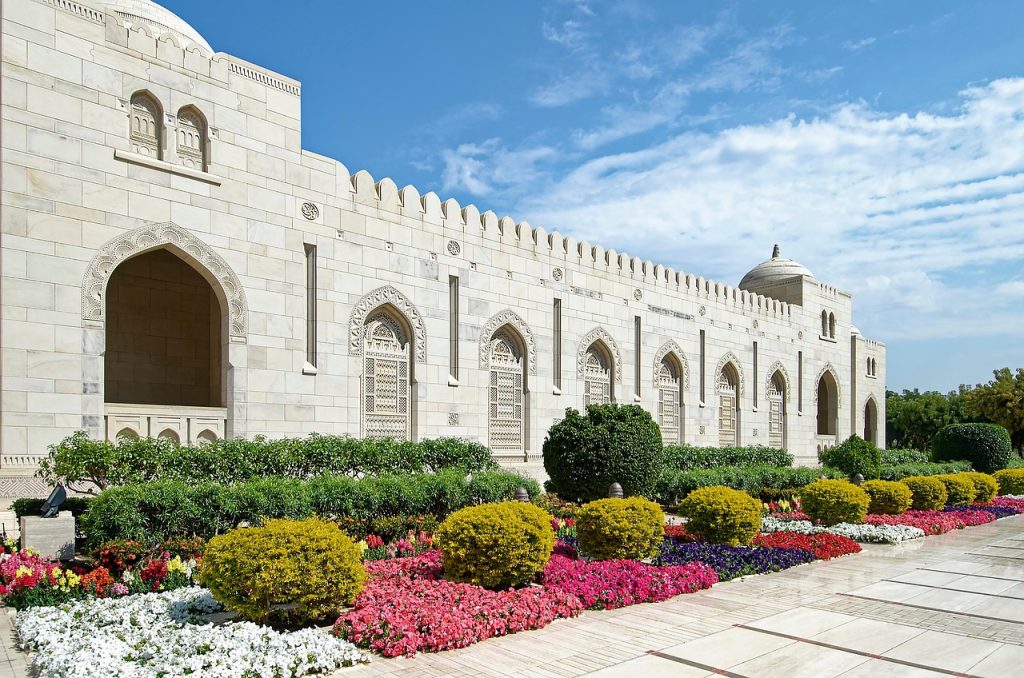 Makalu / Pixabay
You enter a courtyard that feels both polished and lived-in, with sandstone that reflects the heat and draws you toward shaded corridors. You’re asked to dress modestly, and the guidelines are posted plainly so you don’t have to guess what’s appropriate. Inside, the prayer hall’s chandelier and Persian carpet are often noted in regional architectural references, but the space works because of how the light moves and how quietly people step inside. You feel the balance between tradition and modern structure as you walk, and the staff encourage you to take your time without disrupting worship areas.
5. Badshahi Mosque, Lahore
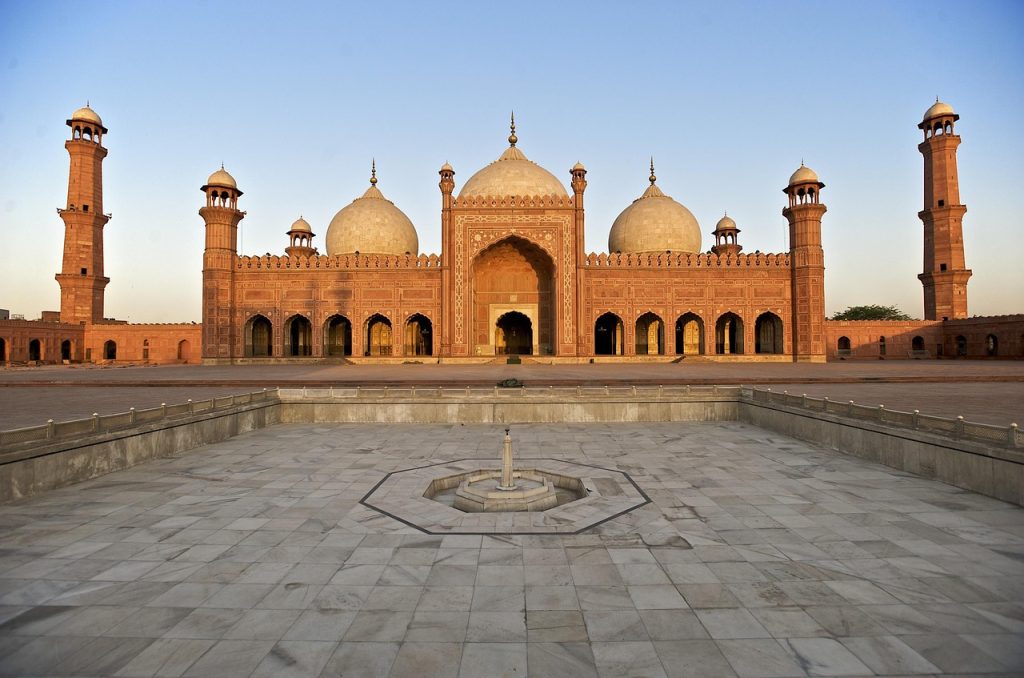 tayyab3425 / Pixabay
This mosque gives you a sense of scale the moment you enter the courtyard. Its Mughal red sandstone and marble details connect directly to the design traditions recorded in South Asian architectural history. Visitors follow modest dress expectations, and coverings are available when needed, making it easy to comply. You walk along wide corridors that open into a prayer hall where the acoustics create a soft echo even when the space is quiet. You feel how the building served both as a center of worship and as a focal point for community life, which helps you read the space more clearly.
6. Faisal Mosque, Islamabad
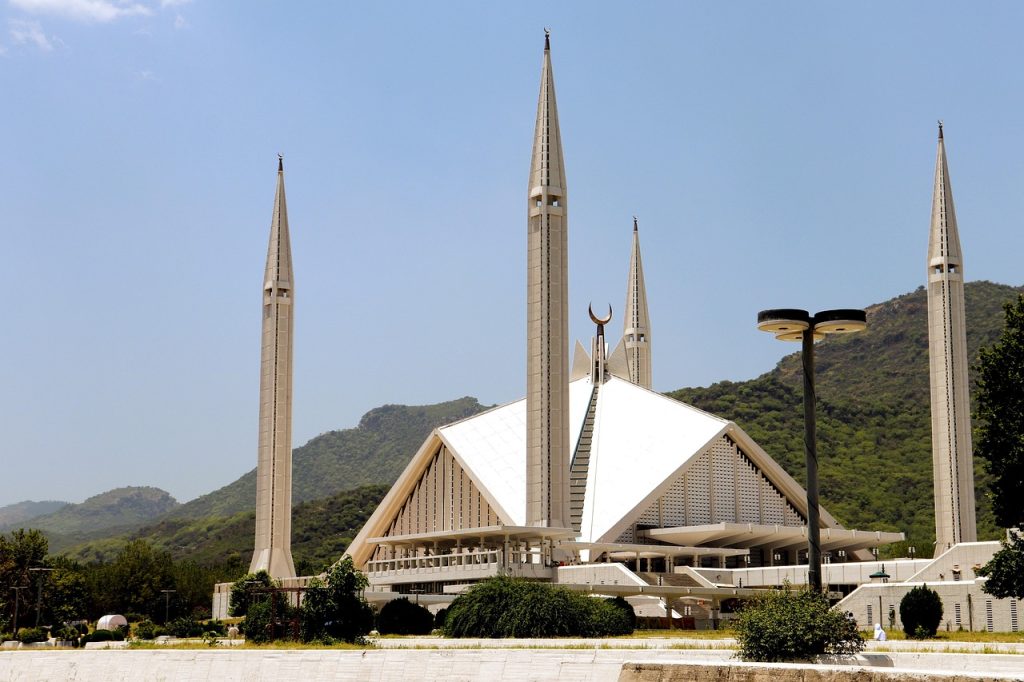 Dr. Farooq Hussain Shah / Pixabay
You approach a structure that breaks from earlier mosque styles yet stays grounded in religious use. Its triangular rooflines and open courtyard are frequently analyzed in modern architectural studies. You’re expected to follow modest dress guidelines, though visitors often appreciate how clearly marked the instructions are. Walking the marble courtyard gives you a sense of the scale without feeling overwhelming, and the cool stone under your feet keeps the space surprisingly calm. The building’s design invites airflow and light, and you sense how the openness shapes the experience of prayer and reflection for the people who come daily.
7. Masjid Al Haram, Mecca (Viewing Areas for Non-Muslims)
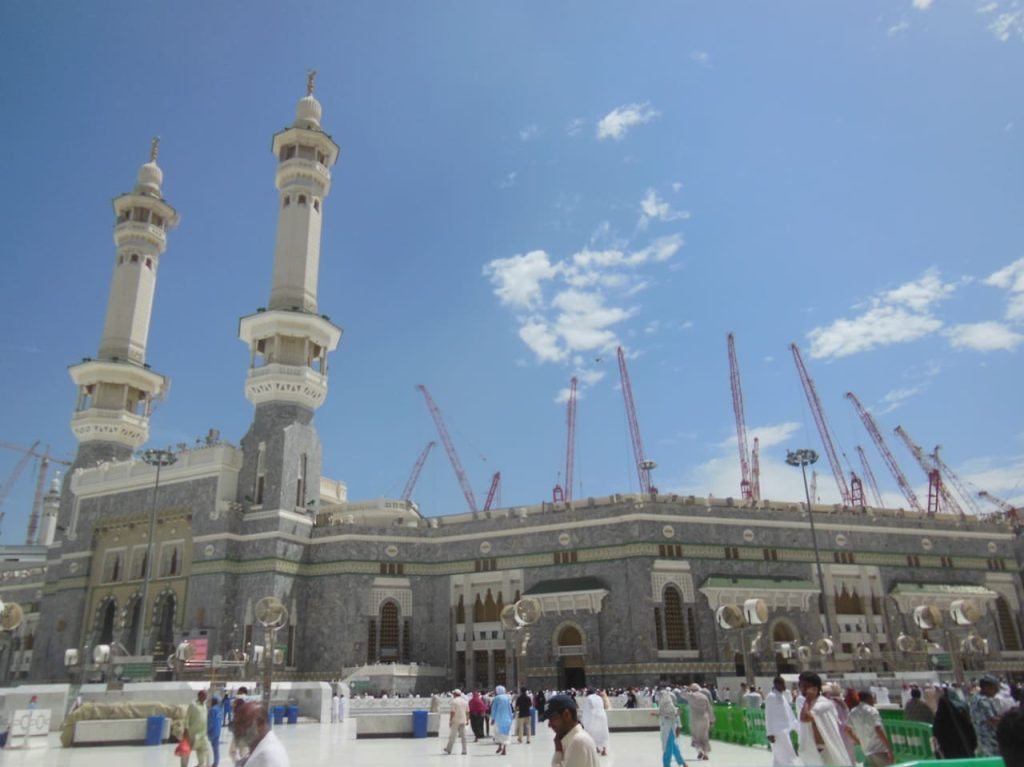 King Eliot, CC BY-SA 4.0 /Wikimedia Commons
Although you can’t enter the mosque if you’re not Muslim, you can visit the public viewing areas around its outer districts. You feel the scale of the site from a distance, and you notice how millions move through the complex with coordination described in studies on pilgrimage logistics. Modest dress expectations extend to the surrounding areas, and they’re well understood locally, so you won’t feel out of place. Seeing the Kaaba from afar gives you a sense of the devotion that shapes this space, and even from outside, you understand how deeply the site anchors global worship.
8. Masjid Al Nabawi, Medina (Viewing Areas for Non-Muslims)
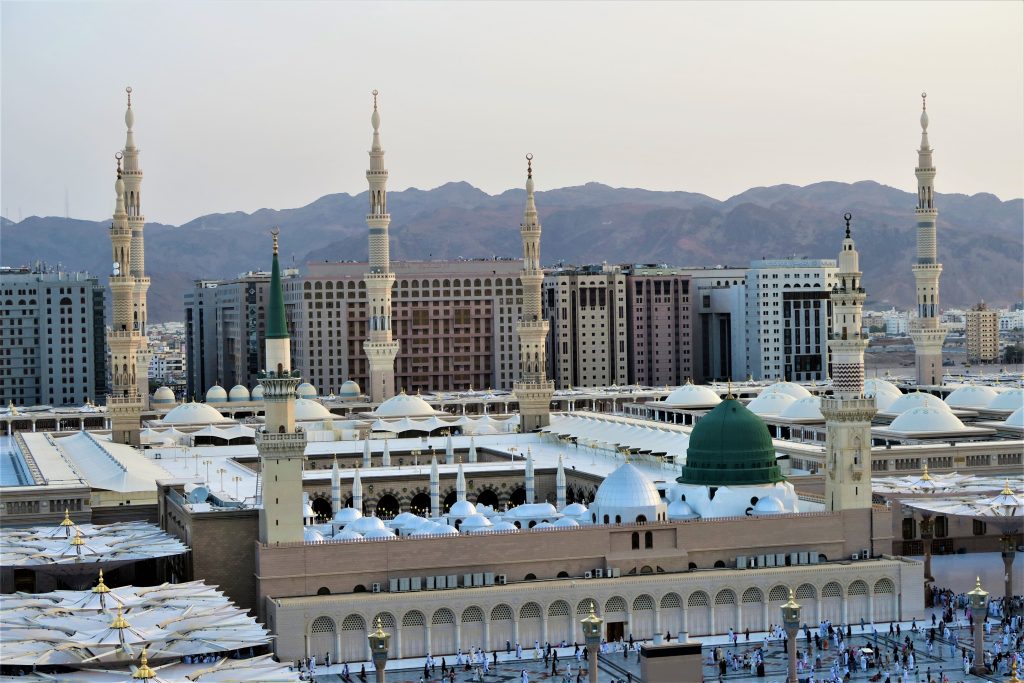 Konevi, CC0/Wikimedia Commons
You can’t enter the mosque itself unless you’re Muslim, but you can walk the areas surrounding it and feel how the city centers around this site. Shade-heavy courtyards and canopies designed to handle heat are often cited in engineering studies, and you can see their function as crowds move beneath them. Modest dress expectations apply in these areas as well, and locals will guide you if you’re unsure. Even from the perimeter, you sense how the mosque shapes the city’s rhythm, with people moving toward prayer times in a way that feels steady and deeply rooted.
9. Jumeirah Mosque, Dubai
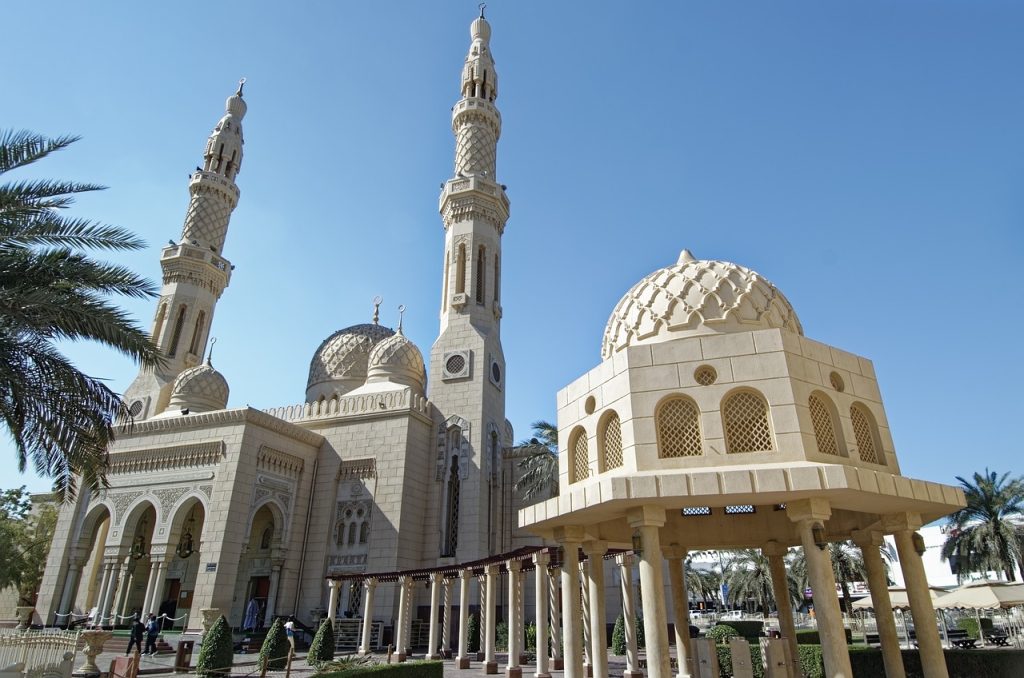 Makalu / Pixabay
This mosque is known for its visitor-friendly tours, which are cited in local cultural programs as examples of outreach. You’re welcomed with clear dress guidelines, and coverings are offered without fuss. When you walk inside, you see how the patterned walls and soft lighting create a calm space that feels approachable even if you’ve never visited a mosque before. Guides explain prayer routines, architecture, and community practices in a way that helps you understand the building beyond its beauty. You leave with context that makes future mosque visits easier and more informed.
10. Great Mosque of Kairouan, Tunisia
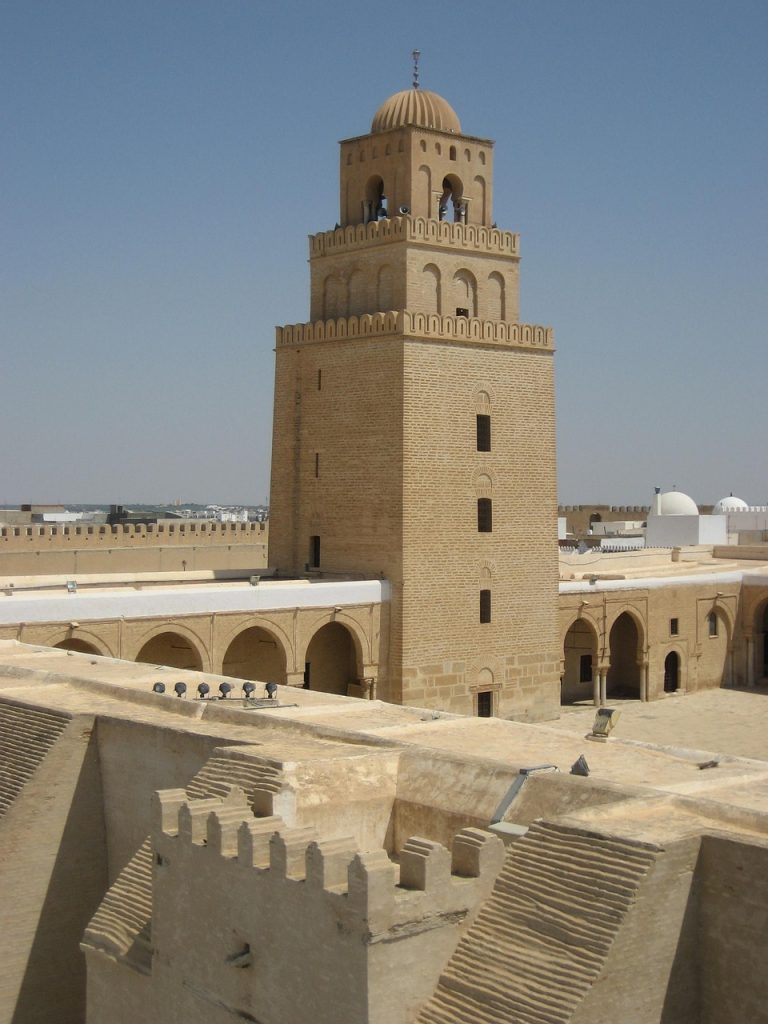 Guy Dugas / Pixabay
Stepping into this historic complex gives you a sense of how early Islamic architecture developed, a point documented in UNESCO reports and North African architectural studies. You follow modest dress expectations at the entrance, and staff help visitors adjust if necessary. The courtyard’s simplicity makes the surrounding arches stand out, and you notice how sunlight moves across the stone differently as the day shifts. The prayer hall is closed to non-Muslims, but you can view the interior from designated areas, which still gives you a clear look at the ancient wooden ceilings and carved columns that define the space.
11. Umayyad Mosque, Damascus
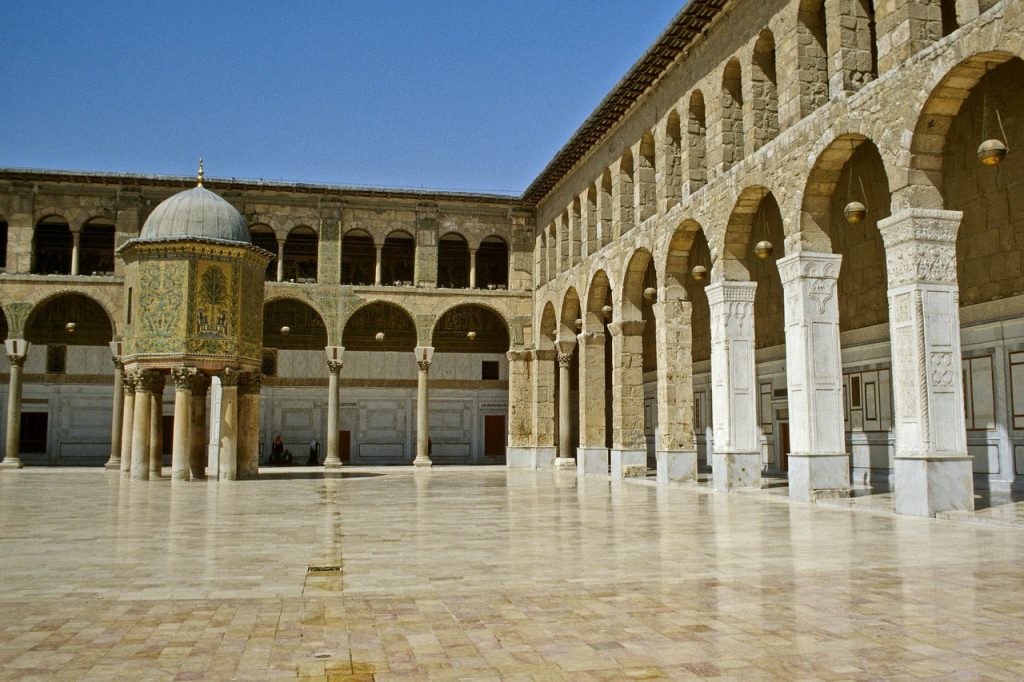 Loyloy Thal / Pixabay
When you enter, you see layers of history at once: Roman, Byzantine, and early Islamic additions documented consistently in regional archaeological work. You’re asked to dress modestly, and coverings are provided to make the process easy. The courtyard mosaics draw your attention first, then the quiet rhythm of people crossing the open space. Despite the city’s challenges, the mosque remains a functioning place of prayer, and you feel how strongly the community holds onto it. You leave with a sense of how a historic structure stays alive through daily use rather than preservation alone.
12. Al-Aqsa Mosque, Jerusalem
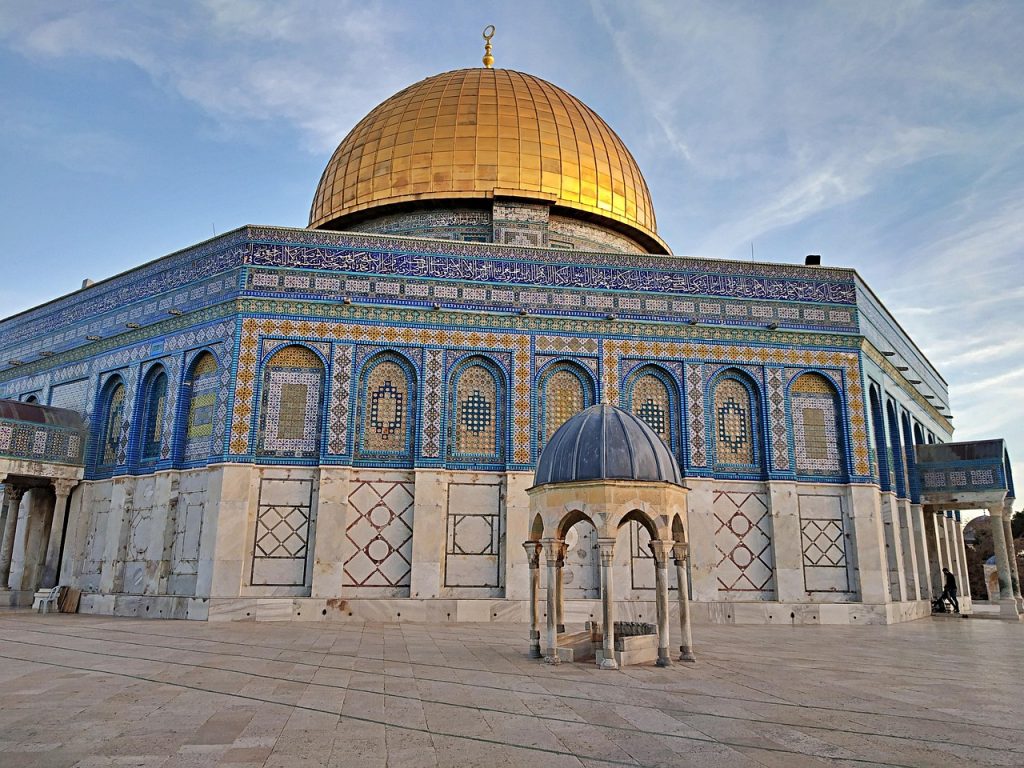 Umme Salma / Pixabay
You walk into a site that carries religious significance for multiple faiths, and you feel the weight of that as you move through its courtyards. Modest dress expectations are enforced, but they’re explained clearly at the entrances, and you follow them to respect the people who rely on the mosque for daily prayer. Architectural studies often highlight the wooden dome, mosaics, and layered building history, and you can see how each period left its mark. The atmosphere inside the complex stays calm despite the number of visitors, giving you room to reflect on the site’s importance.
13. Süleymaniye Mosque, Istanbul
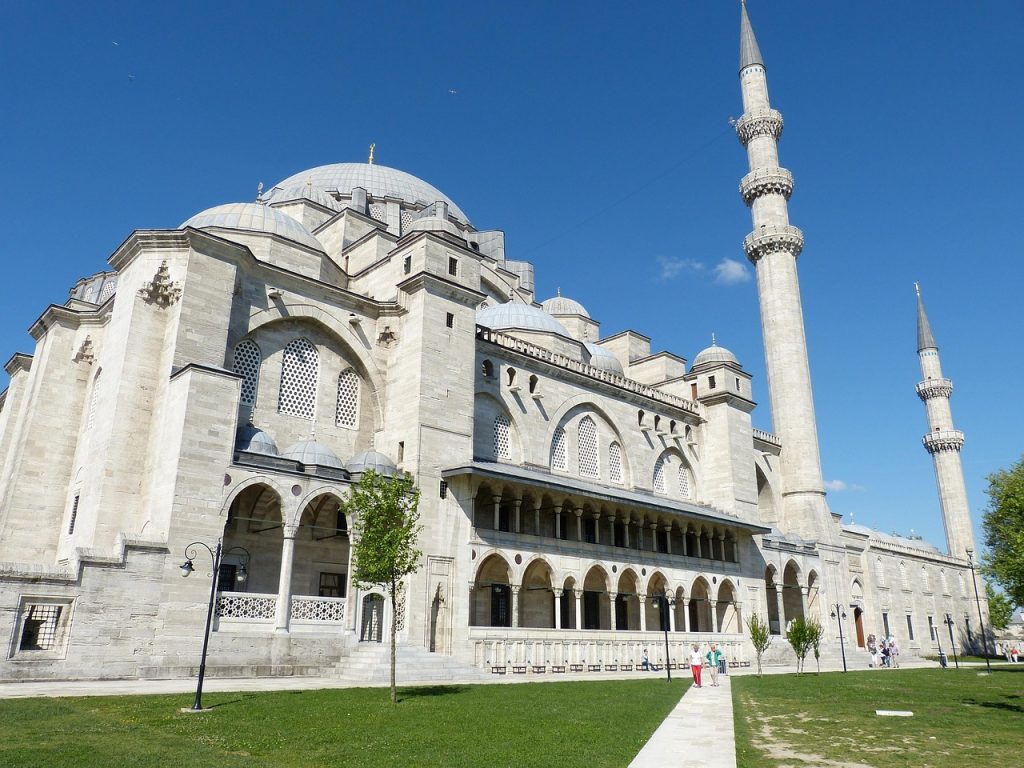 falco / Pixabay
You enter a quieter counterpart to the Blue Mosque, with a design that many architectural historians consider one of Sinan’s most balanced works. You’re asked to dress modestly, and signs make the expectations clear so you’re not left unsure. Inside, the acoustics amplify even small sounds, and you notice how the layout supports both prayer and learning. Walking the courtyard, you see views of the city that help you understand why the mosque’s position mattered. You leave with a sense of how the building integrates faith, engineering, and community life in a way that still works today.
14. National Mosque of Malaysia, Kuala Lumpur
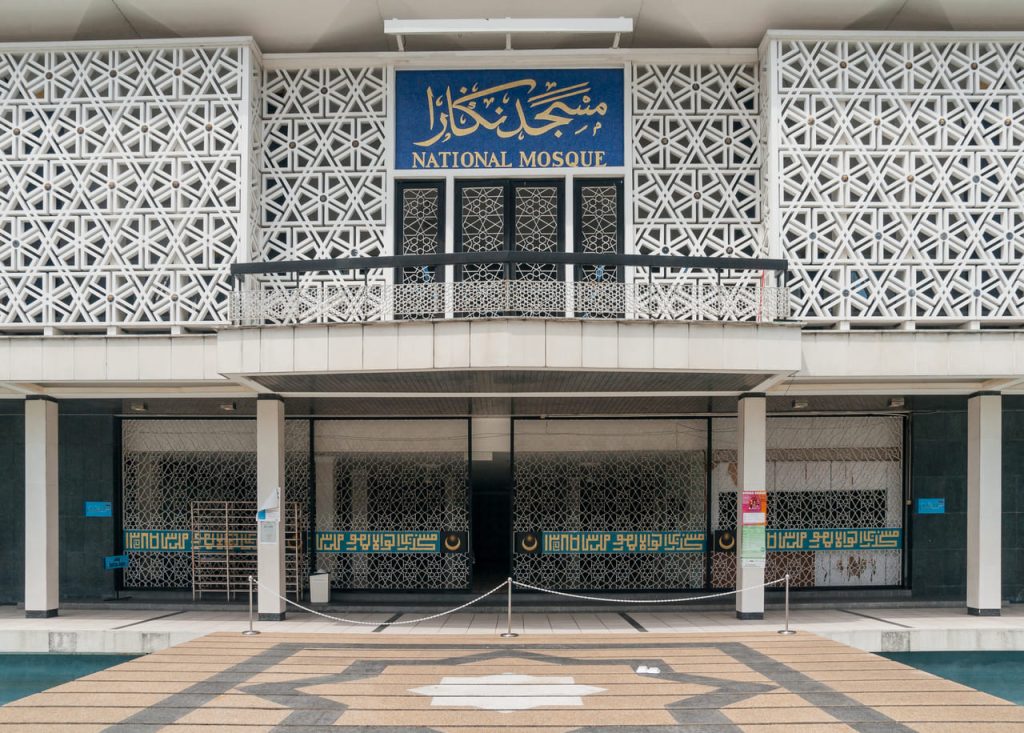 Photo by CEphoto, Uwe Aranas/Wikimedia Commons
When you arrive, you’ll notice the star-shaped roofline that architectural texts often emphasize. You follow modest dress requirements, and the staff offer robes and head coverings to visitors without making it awkward. The prayer hall’s high ceilings and quiet lighting create a calm that lets you slow down as you walk the inner corridors. The surrounding gardens give you space to take in the structure from different angles, helping you understand how the mosque blends modern and traditional ideas in a way that reflects Malaysia’s cultural mix. It’s a place where you feel welcome to take your time.
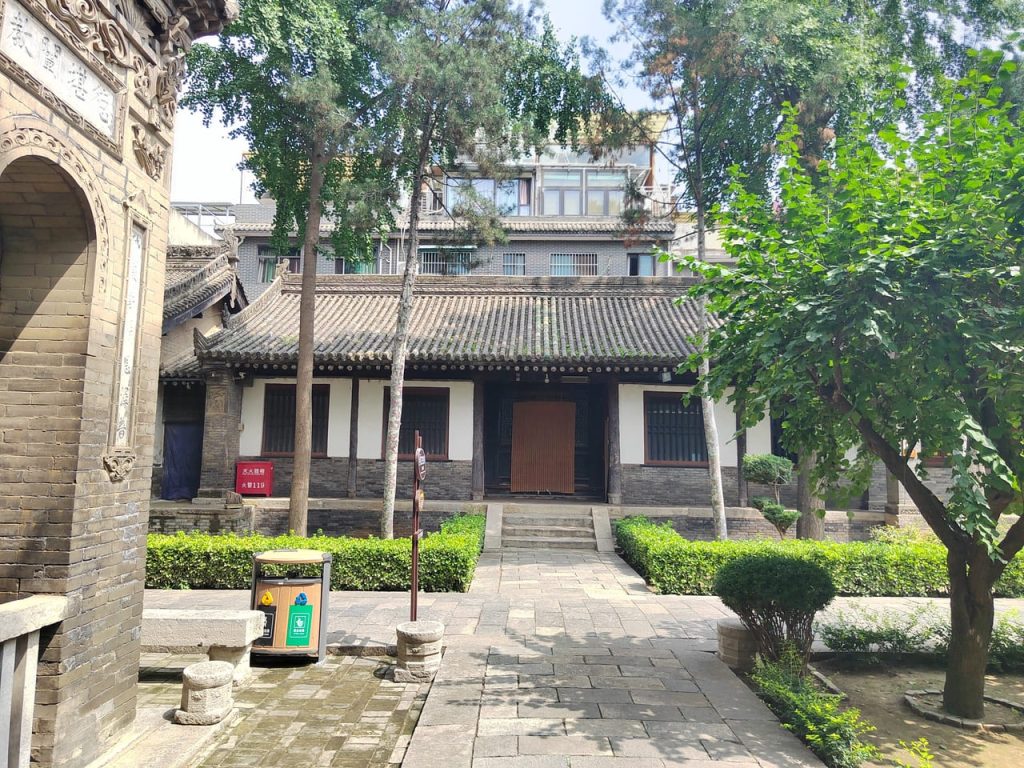
15. Great Mosque of Xi’an, China
 ???, CC0 / Wikimedia Commons
You step into a courtyard that looks more like a classical Chinese garden than the architecture you expect at a mosque, which is something noted throughout East Asian Islamic studies. You’re expected to dress modestly, though the guidelines here feel relaxed and clearly posted. The prayer hall is reserved for worshippers, but visitors can explore the surrounding pavilions and stone paths. As you walk, you see how Chinese design traditions and Islamic function merge, creating a space that feels both familiar and different. It shows you how flexible mosque architecture can be across cultures.
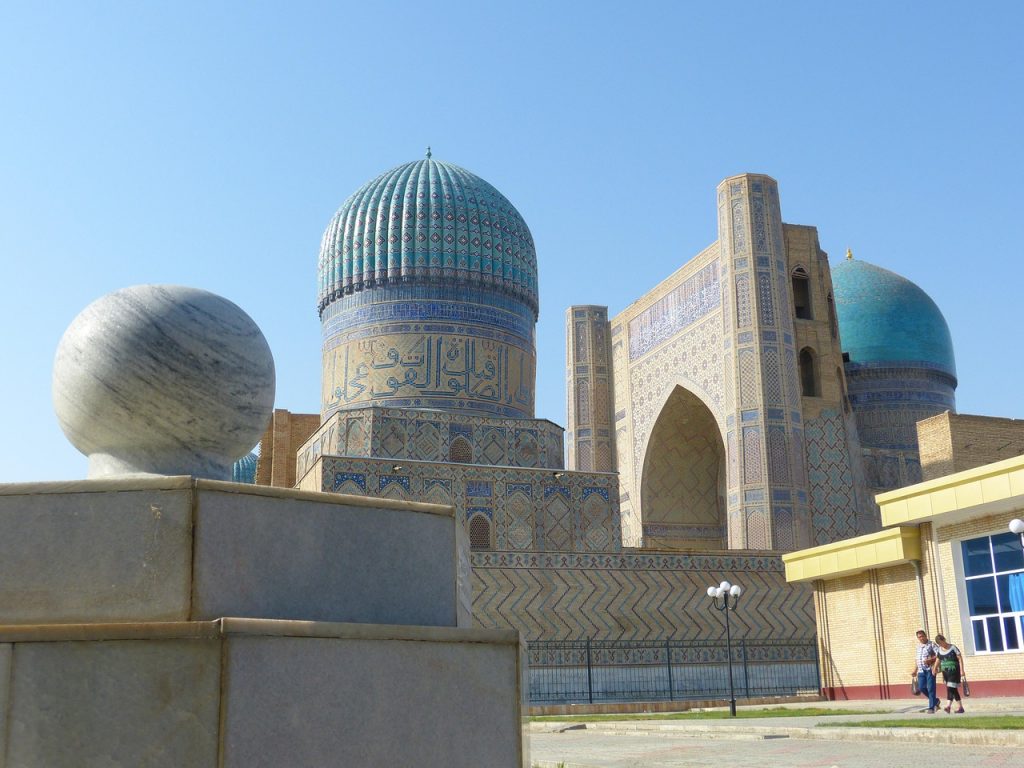
16. Bibi-Khanym Mosque, Samarkand
 LoggaWiggler/Pixabay
You enter a historic complex that shows the scale of Timurid architecture, something well documented in Central Asian historical research. You’re asked to dress modestly, and the posted guidelines help you prepare before stepping inside. The vast courtyard and towering arches create a sense of openness, and you see how restoration work continues to bring out details that were nearly lost. Walking slowly helps you appreciate the tile patterns and carved stone, and you feel how the structure served as both a spiritual center and a symbol of the region’s power.
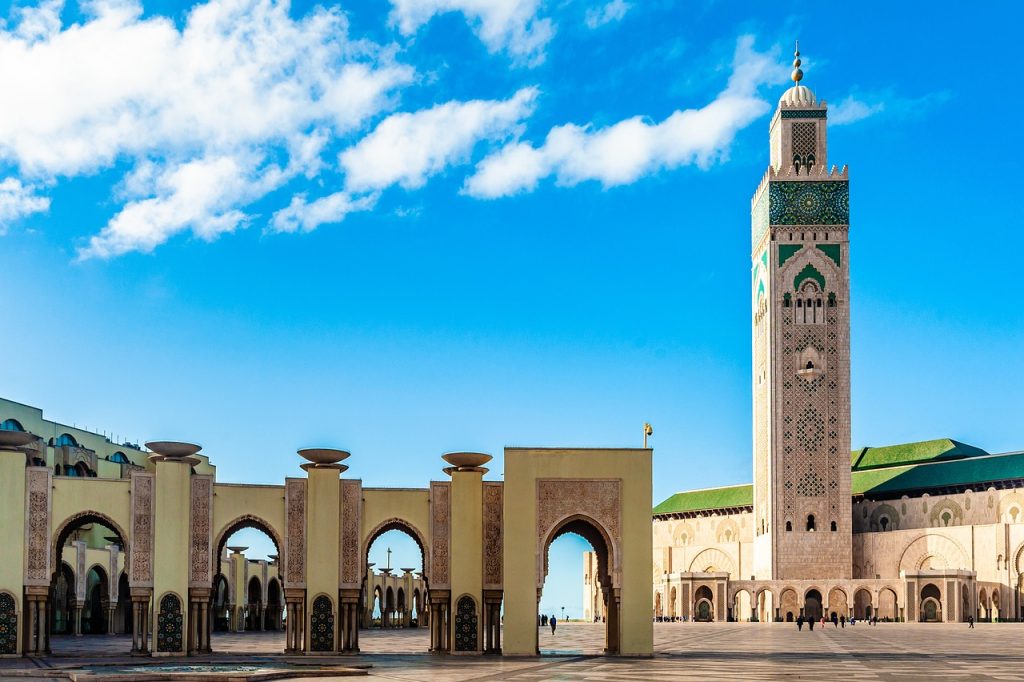
17. King Hassan Mosque, Rabat
 postcardtrip / Pixabay
You walk into a space that showcases modern Moroccan design, with clean lines and traditional motifs that architectural reviews often highlight. Modest dress expectations apply, and staff make them clear without making you feel uncomfortable. Inside, the prayer hall’s balanced proportions and filtered light help you settle into the pace of the building, which feels slower than the surrounding city. The courtyard gives you room to see the details up close, and you sense how the mosque connects daily religious life with the city’s broader cultural identity.
Like this post? share it, or pin it for later!
Like this:
Like Loading…
Related
Please visit:
Our Sponsor