

This post may contain affiliate links. We may receive a small commission, at no cost to you, if you make a purchase. Read Disclosure.
The sun-kissed sultanate of Oman is a place where golden dunes roll like waves and where ancient forts stand guard over centuries of seafaring lore. As you wander down the frankincense-scented streets, you’re senses will be ignited by the sounds, scents, and stories of Arabia.
If you’ve ever dreamed of stepping into a tale from One Thousand and One Nights, then you better make Oman a destination high on your bucket list — no magic lamp required.
In Oman, there is the perfect blend of tradition and tranquility, where you can get lost in maze-like souqs or dive into wadis filled with emerald pools, climb mountains and swim in turquoise oceans framed by white sand. There are so many things to do in Oman, it can’t possibly be skipped.
Adventure in Oman comes in many varieties. You can be treking the terraced mountain villages of Jebel Akhdar, camping beneath a blanket of stars in the Wahiba Sands, or sipping cardamom coffee with locals, or just enjoy quiet moments by the ocean.
In this guide, we share the top attractions and activities to do in this Middle Eastern gem that are not to be missed if you want to experience the true heart of Oman and what makes it special.
1. See nesting sea turtles

One of the highlights of any trip to Oman is to admire the endangered green turtles nesting on the beach and making their way back to the sea just before sunrise.
Their effort to find the perfect spot to lay their eggs and then slide back to the sea is admirable. They are really not meant to be on land. And if you are lucky, you could even spot babies hatching and trying to make it to the ocean.
The Ras Al Jinz Turtle Reserve offers this experience every morning. Book in advance as it is a nature reserve and access is limited.
Other wildlife activities include snorkeling or scuba diving in the Daymaniyat Islands or chasing the elusive Arabian Leopard. You can also see dolphins and whale sharks in their natural habitat off the shores of Muscat.
2. Admire the stunning Sultan Qaboos Grand Mosque

Built between 1995 and 2011, the Sultan Qaboos Grand Mosque is a breathtaking piece of Islamic architecture. Located in the flat area of Muscat the building, its garden, and 5 minarets stand out in the landscape.
You can explore the outside with the long corridors full of mosaics and arches, or admire the decor of the main prayer room with the 21-ton hand-woven carpet. It is also home to a magnificent chandelier: 14 meters in height, 8 meters in diameter, 1122 light bulbs, and 600,000 crystals!
Another jewel of Omani architecture and technical mastery is the Muscat Opera House with its wooden decor and state-of-the-art sound setup.
3. Learn about the history of Oman at Nizwa fort
 Nizwa Fort
Selecting the best fort in Oman is not so easy. There are many and several of them are similar. One of the most famous is the Nizwa fort and castle. You can even climb to the top of the 34-meter-high tower for spectacular views of the city. The Souq around the castle is a local meeting point making the visit interesting on many levels.
Built at the beginning of the 17th century, it took 12 years to complete. The Omani government does a great job of restoring and maintaining it. Most rooms have displays showing visitors how people used to live and how the fort was protected.
4. Visit Unesco World Heritage sites in Oman
 Aflaj irrigation system
The Sultanate of Oman has four sites on the Unesco World Heritage List (as of 2016). The most famous is the Aflaj irrigation system, which can be seen in many old villages, most famously Birkat al Mouz.
Other fascinating sites are the necropolises of Bat and Al-Ayn. At Ay-Ayn, the beehive tombs are aligned on a ridge with amazing scenery. Built by nomads, they are evidence of life during the Bronze Age in the Omani region.
5. Play on the beaches
 Salalah Beach
Oman has a great variety of beaches: the classic flat stretches of sand, the coves between mountains, and others surrounded by desert.
North of Muscat, Al-Sawadi beach is covered with shells, and at low tide, you can cross to the Sawadi Fort located on an island. It is a favorite for locals on the weekend.
For a beach holiday, most people visit Salalah in the South, which is Arabia’s best-kept coastal secret. Think shores are framed by coconut palms and banana plantations, powdery white sand, and turquoise waters. Al Mughsail Beach is not to be missed. It’s known for its dramatic blowholes and lagoons for snorkeling in.
6. Explore The Mountains and Oman’s Grand Canyon
 Wadi Ghul at sunset
But more than its beaches, Oman is famous for its mountains, especially the areas of Jebel Akhdar (the Green Mountain) and Jebel Shams, Oman’s highest peak and part of the Al Hajar Mountain Range.
The latest is a top destination for tourists as it is home to the Grand Canyon of Arabia, also known as Wadi Ghul. The deep rift, next to the 3000-meter high mountains, has vertical cliffs dropping over 1000 meters. A hike on a balcony walk is definitively not for travelers with vertigo.
7. Swim in the Wadis of Oman
 Wadi Shab
Wadis are like an oasis in the desert. They are a valley or gorge that is often dry, except for the rainy season when they are full of glistening rivers and waterfalls you can swim in.
The most famous is Wadi Shab and Wadi Bani Khalid. If you only have time for one, I recommend visiting Wadi Shab.
It’s accessed by a 45-minute hike and is only accessible on foot. Soon, you’ll find the valley gets narrow and here you’ll find the glistening clear waters that you can swim in. You’ll find a cave with a waterfall, whilst being surrounded by stunning limestone cliffs.
You’ll have to do some walking and climbing over boulders, but that’s all part of the adventure. The turquoise waters contrast with the white of the cliffs and rocks and it’s a nature spot you’ll never forget.
8. Explore the deserts
 Wahiba Sands
Most of Oman is covered by desert, the largest one being the Empty Quarter.
The most visited one, however, is Wahiba Sands. Located only 3 hours away from the capital city, its longitudinal sand dunes cover 180km of land from North to South. Permanent camps have been set up for tourism, but wild camping is also permitted if you feel more adventurous and want to get off the beaten track and pitch your own tent. As always sand dunes offer wonderful sunrises and sunsets.
As you can see, you will be amazed every day on a trip to Oman.
9. Relax on the Mutrah Corniche
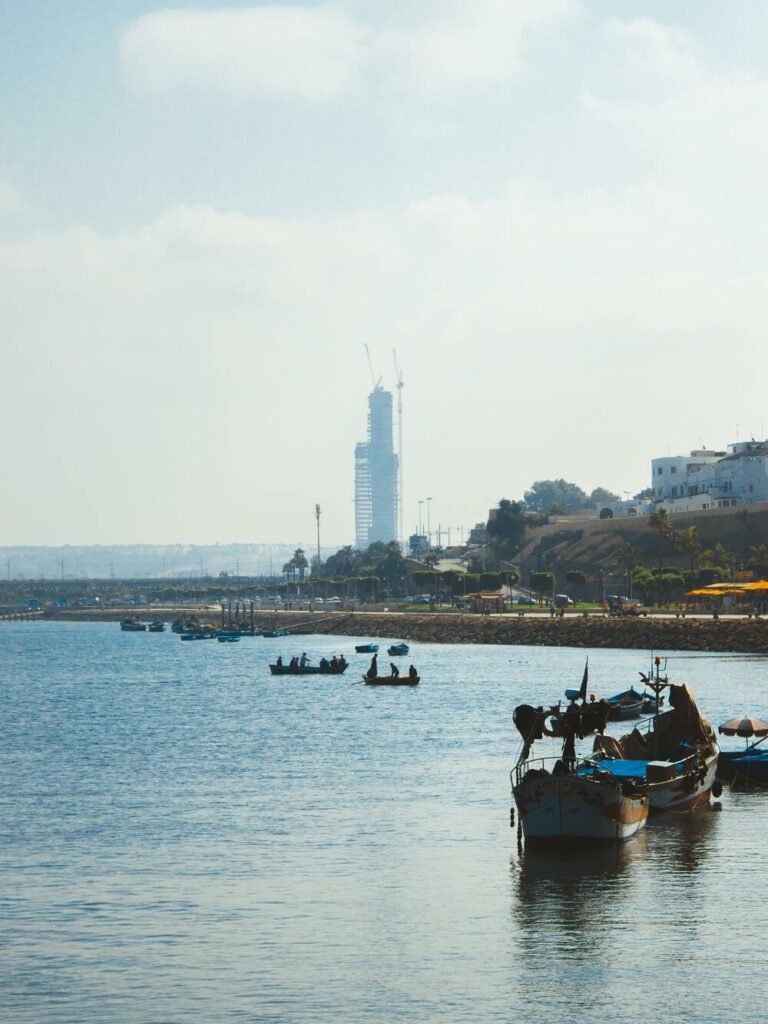
The Muttrah Corniche is a stunning promenade in Muttrah. It stretches along the harbor and has many stunning gardens, water features and fountains, artistic sculptures, and incredibly scenic views of the city.
It’s free to visit and offers a relaxing, tranquil vibe. Pack a picnic and enjoy the sunset from this pristine spot.
10. Get lost in Mutrah Souq Market
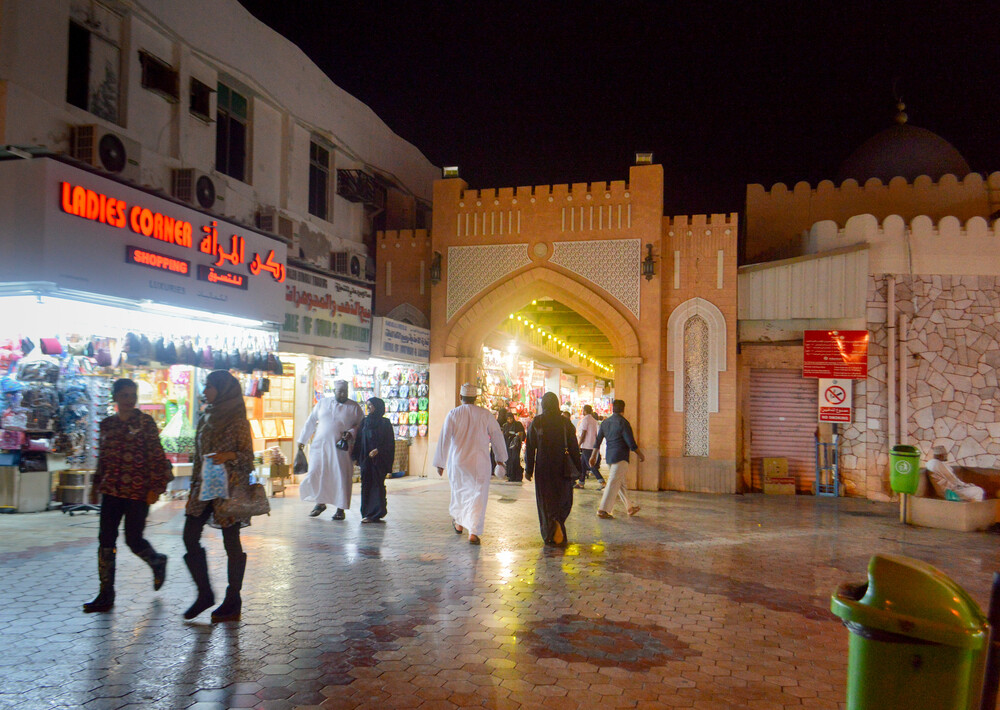 Photo Credit: Flickr
You cannot visit the Middle East without venturing into a souk market. These are centuries-old, traditional markets selling everything from clothing, scarves, jewelry, spices, and more.
The Mutrah Souq is one of the longest-running and most traditional bazaars in Oman. It has an old-fashioned interior and sells everything local and antique.
This is the best place to pick up souvenirs to take home. If you’re not sure what things to buy in Oman, I highly recommend picking up some gold or silver jewelry since these metals are found here, it’s slightly cheaper than buying in the west.
Or, pick up some incense. Frankincense is going to be the aroma you smell the most on your trip, so take some home to remember it by!
11. Explore the Capital City of Muscat
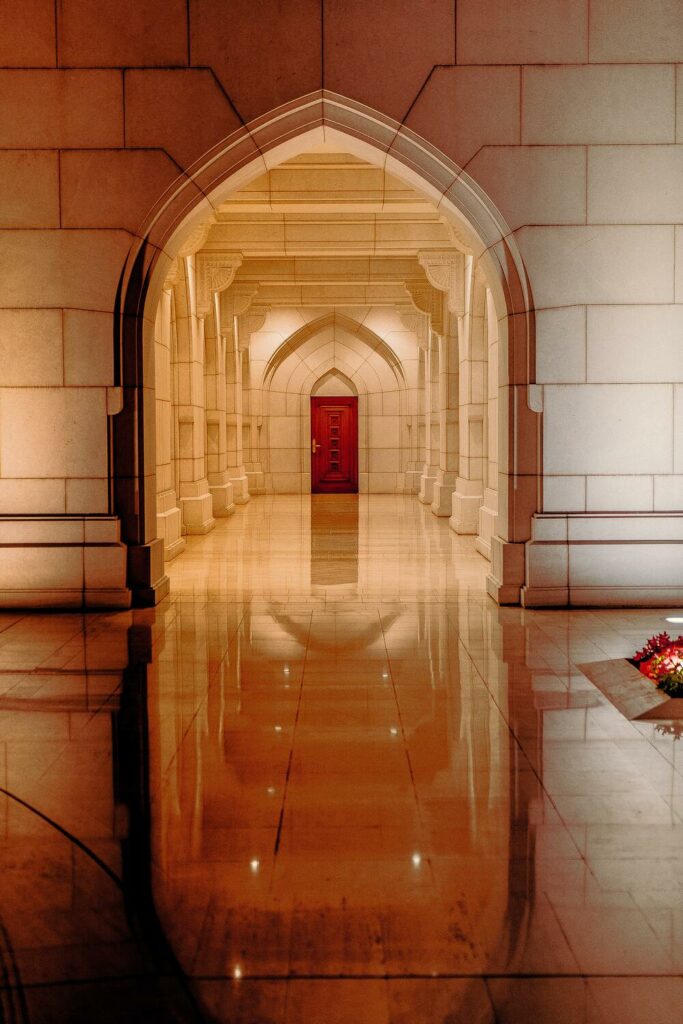 Royal Opera House Muscat
If you’re visiting Oman, the likelihood is that you will venture into its bustling capital city at some point. Don’t use it as a gateway, spend some time exploring the city and checking out the gorgeous architecture and culture here.
Since it’s the capital, it’s the most populated city in Oman and a great place to immerse yourself in the culture. The city is packed with bazaars and souks, plus it’s on the coast so you’ll find some of the best seafood in the country here.
One of the top things to do in Muscat is to check out the Royal Opera House Muscat, which is a stunning example of Islamic-Italianate architecture. The complex sits right by the water and has a concert theater and gardens.
12. Take a Musandam Fjords Dhow Cruise
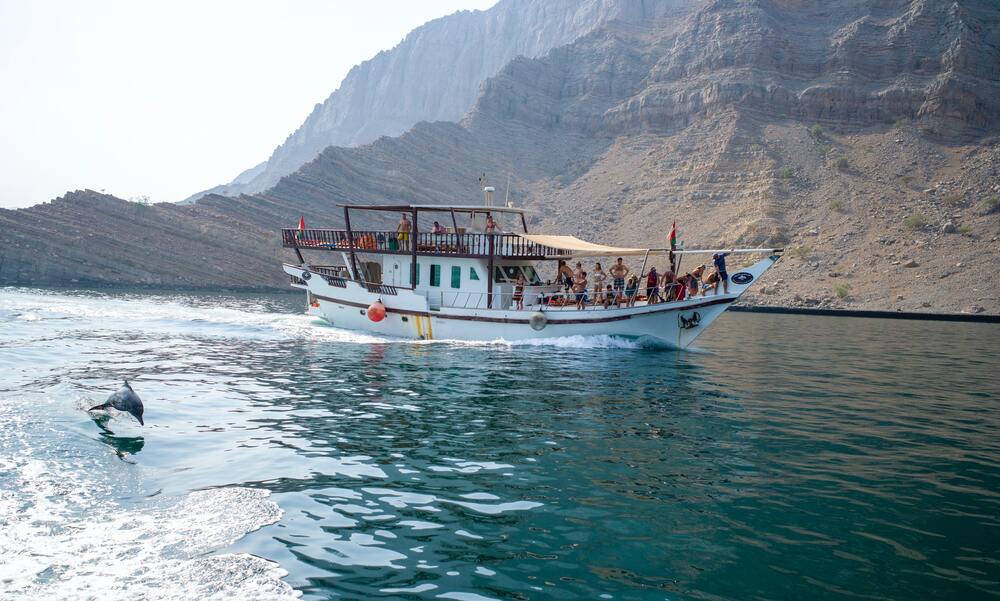
The Musandam Fjords is a stunning area of natural beauty that lies off the coast of Oman. The mountainous Omani peninsula is separated from Oman by the UAE, but it still remains part of Oman’s territory.
Its coastline resembles a fjordlike inlet which is known as khors in Arabic. It’s possible to see dolphins and other marine life in the waters here, and it’s a popular place to go snorkeling and enjoy some water sports.
Because of its location, it’s only accessible by boat trip. You’ll get to board a local ‘dhow’ boat, which sails around the stunning vistas and waters.
13. Admire the Empty Quarter
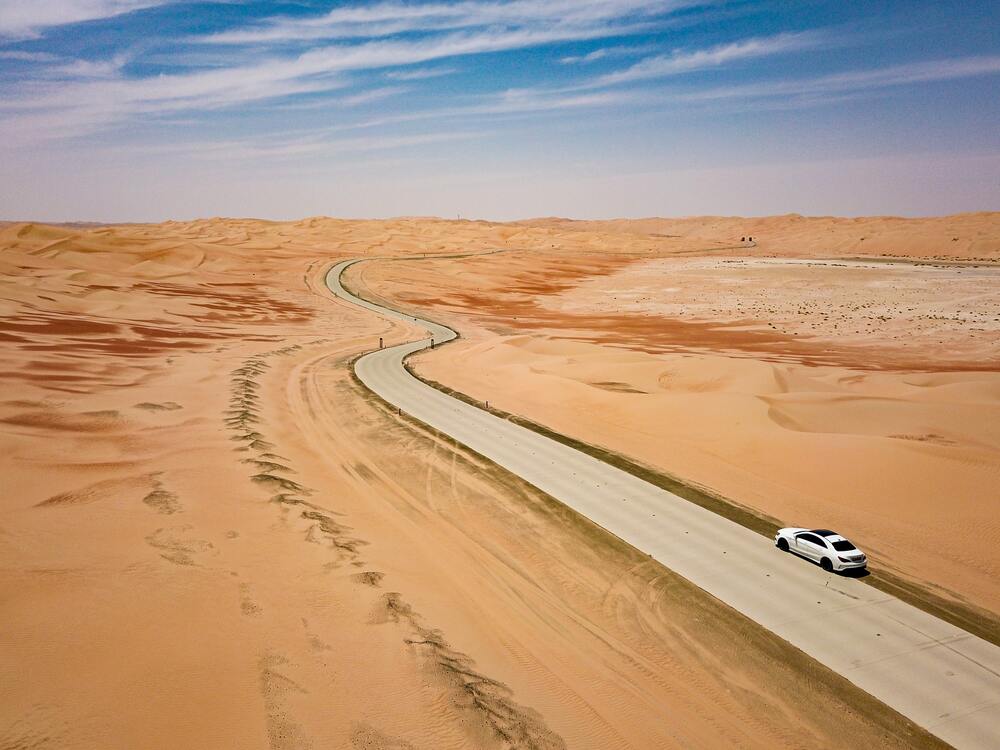
Although the name sounds ominous, the Empty Quarter is actually a top attraction in Oman. Otherwise known as Rub al Khali, which is its name in Arabic, is an expansive sea of desert that stretches across the Arabian peninsula, through Oman, Saudi Arabia, Yemen, and the UAE – needless to say, it’s pretty huge.
In fact, it’s the largest uninterrupted stretch of desert in the world. The desert has been featured in many Hollywood blockbusters such as Star Wars, so you can pack your pretend lightsabers and live out your sci-fi fantasies here.
The desert is sparse in life, and only a few nomadic tribes travel across the harsh environment. But if you want to, you can even choose to camp in the desert!
Where to stay in Oman
The Sultanate of Oman is the third largest country on the Arabian Peninsula and has a land mass of approximately 120,000 square miles, (309,500 sq km) about 27% larger than the United Kingdom. It’s not a huge country, and so you will find you don’t need to visit a lot of places – you can simply base yourself in a few areas, and take day trips.
When visiting Oman, most people will spend a few days in Muscat, the Capital city of Oman, before venturing out to mountain resorts in the Hajar Mountains (Jebel Akhdar and Jebel Shams are the most popular gateways), or to Salalah to stay by the coast.
From these three locations, it’s possible to take day trips to all of the attractions in this list. You can explore hotels and vacation rentals in the following map:
You can also find resorts on the Musandam Peninsula, but since it’s completely cut off from the rest of Oman by Dubai, it’s the least visited part of the country. It’s arguably the most beautiful and often dubbed the Norway of Arabia. You would need to make a special effort to go there, and most resorts here are high-end luxury and sit right on the coast.
Best time to visit Oman
 Birkat Al-Mawz,
The best time to visit Oman is during the cool, dry season from October to April, when temperatures are pleasantly warm, skies are clear, and there’s an ideal window for trekking in the Hajar Mountains without melting into your sandals.
December to February has the mildest weather, though it never gets cold, it’s perfect for exploring without breaking a sweat.
The khareef (monsoon) season is from June to September, and although not ideal for beach weather, it transforms the region into a lush, mist-wrapped oasis and offers an entirely different side of Oman.
Getting around Oman
Getting around Oman is wonderfully straightforward. The country is built for road tripping: highways are smooth, signage is clear, and the landscapes shift from mountains to desert to sea in the time it takes to finish a cup of karak tea.
I would recommend you get yourself a rental car and explore on your own. This gives you the flexibility to explore at your own pace, see remote wadis, clifftop villages, desert camps. A standard car works for most major routes, but a 4WD is recommended if you’re planning to tackle the mountain roads of Jebel Akhdar and Jebel Shams, or venture deep into the Wahiba Sands.
Public transport is limited. You will find buses connecting major cities like Muscat, Nizwa, and Salalah, and within cities themselves, ride-hailing apps like Uber are convenient for getting around the city.
Tips for visiting Oman
Before you start booking your attractions in Oman and planning your itinerary, we have just a few words of advice before you visit:
- Oman is hot, all year round. Make sure you wear lose fitting clothing and drink plenty of water.
- Oman is a deeply religious Arabic country and therefore it’s quite conservative. Put the hot pants and crop tops away for this trip. Dress conservatively and have your knees and shoulders covered.
- You do not need to wear a headscarf as a woman, but pack a headscarf with you as you’ll need to wear one to enter places of worship.
- Alcohol is only usually found in hotels and resorts, but don’t go crazy on the booze. They are not fond of alcohol so won’t appreciate you slurring how much you love them.
Final thoughts

Just the name Sultanate of Oman transports you to an exotic land of ancient history, a land full of jewels, deserts, souk markets, and Sinbad-like characters.
The country is reveling in history, ancient traditions, stunning mosques, and a deep connection with nature. As more and more people looking to travel off the beaten path, Oman is gaining popularity amongst travelers.
And for good reason. Not only is Oman a very safe country to travel in, but there are tons of things to do no matter what you’re interests are.
Before you go, make sure you have your accommodation booked in advance. There is not a huge selection of hostels, apartments, and hostels, so make sure you are well prepared to make sure you have somewhere to stay.
More Middle East Travel Tips
Looking for more destinations in the Middle East? Check out these guides:
Pin To Save It On Pinterest
Please visit:
Our Sponsor