

 Huu Huynh/Pexels
The fast food industry continues to evolve each year, yet certain chains still face rising customer complaints that shape public perception and online conversation. In 2026 many diners voiced concerns tied to service speed, order accuracy, inconsistent food quality, and shifting menu prices, reflecting broader trends across the restaurant landscape. Social media amplified these frustrations as customers shared real-time experiences that highlighted how quickly positive or negative patterns spread nationwide. These complaints often stem from staffing shortages, high turnover, technological transitions, or operational challenges that affect daily performance. Examining the chains receiving the most criticism provides insight into how expectations for convenience, affordability, and reliable service continue to change. This glimpse into current dining sentiment reveals how fast food culture adapts as customers demand smoother experiences.
McDonald’s
 ?? ?/Pexels
McDonald’s continued to receive a high volume of complaints in 2026 as customers expressed frustration with inconsistent order accuracy and longer wait times during peak hours. Many diners cited mobile order issues and delays at drive-thru lanes that struggled to maintain speed under increased demand. Variability in food temperature and presentation also contributed to criticism across different locations. The chain’s widespread presence means service differences appear more noticeable, especially in busy metropolitan regions. Despite operational upgrades in many stores, these ongoing complaints highlight how difficult it remains for large-scale chains to deliver uniform experiences while adapting to modern customer expectations.
Burger King
 SHOX art/Pexels
Burger King faced steady increases in complaints during 2026 as many customers reported concerns about slow service and inconsistent food preparation across various regions. Several locations struggled with staffing shortages that affected wait times and order fulfillment. Some diners also pointed to discrepancies in flame-grilled flavor that varied from store to store, leading to mixed experiences. Digital ordering systems occasionally received criticism for glitches or missing customization options. These recurring issues contributed to a perception of uneven performance that affected customer satisfaction. Burger King’s efforts to modernize operations remained ongoing, yet the volume of complaints shows how these challenges continued to shape public feedback.
Wendy’s
 Ceir Junior/Pexels
Wendy’s encountered higher complaint levels in 2026, with many customers expressing dissatisfaction about rising prices and menu changes introduced throughout the year. Order accuracy problems appeared frequently, especially in drive-thru settings where customization errors proved common. Some diners also noted delays associated with fresh preparation practices that take longer than frozen alternatives. Variability in customer service tone across different storefronts added to the concerns. While the brand maintained strong loyalty for its signature items, these recurring complaints underscored the pressure that fast food chains face as expectations continue to rise in a competitive market.
Taco Bell
 larry penaloza/Pexels
Taco Bell saw notable increases in customer complaints centered on missing items, order mix-ups, and longer drive-thru waits in busy urban areas. Many diners expressed frustration when mobile orders experienced delays or lacked key ingredients during high-traffic periods. Some locations faced supply shortages that temporarily affected menu availability, contributing to additional dissatisfaction. Inconsistency in portion sizes became another frequent concern shared across review platforms. These issues highlighted operational strains that impact chains offering highly customizable menu items. Taco Bell continued to innovate, yet the complaint patterns showed how execution challenges influenced overall customer impressions in 2026.
KFC
 SHOX art/Pexels
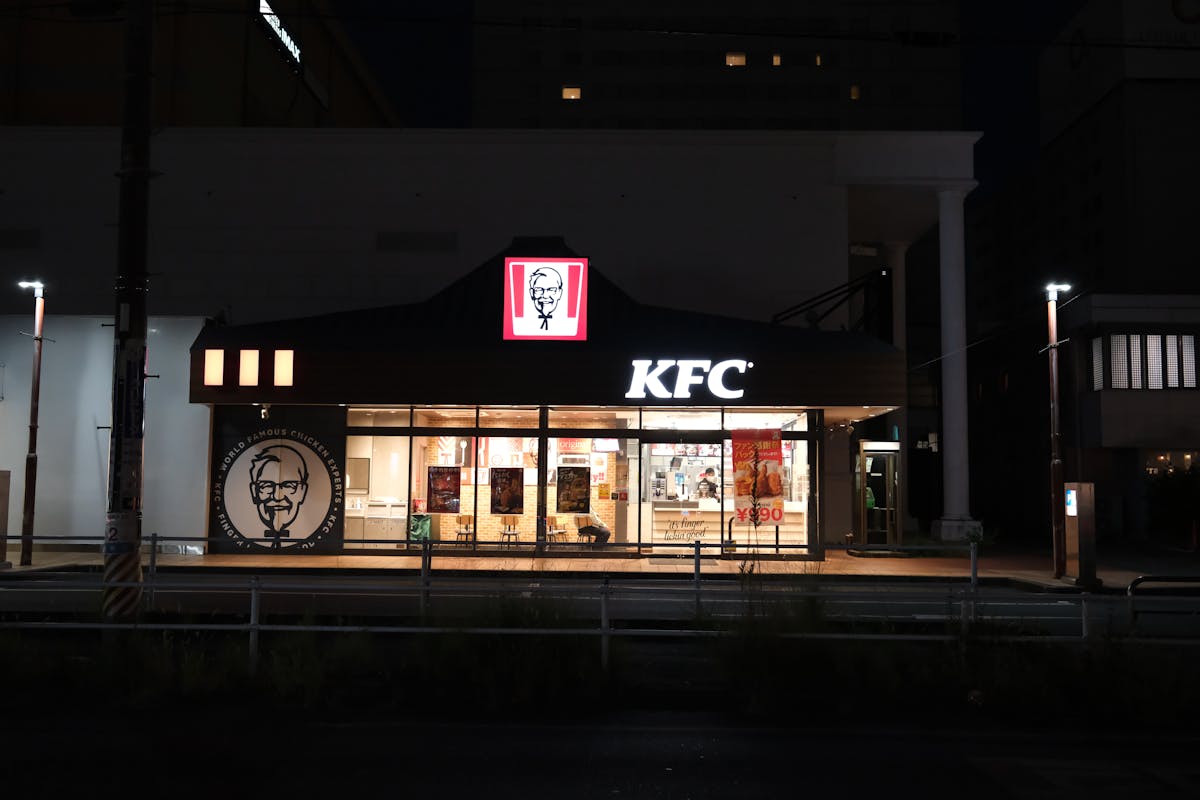
KFC faced rising complaints in 2026 as many customers reported long waits and limited product availability tied to preparation times for chicken items. Some locations experienced challenges keeping popular menu items in stock during peak hours, leading to frustration for diners seeking specific combinations. Differences in cooking consistency, particularly with breading quality or seasoning levels, also sparked negative feedback. Drive-thru bottlenecks remained a recurring issue in densely populated regions. These operational hurdles reflect the complexity of producing freshly cooked chicken at high volume. The complaints demonstrate how maintaining quality under demand continues to shape customer expectations for KFC.
Popeyes
 Phillip Pessar/CC BY 2.0/Wikimedia Commons
Popeyes continued to attract high complaint levels as customers noted slow service, long drive-thru lines, and order shortfalls that became common at popular locations. The chain’s strong demand often outpaced store capacity, leading to delays that affected overall satisfaction. Some diners mentioned inconsistent spice levels or variances in crispiness when comparing different stores. Mobile order delays also contributed to criticism, particularly during lunch and dinner rushes. Popeyes’ success with widely known menu items kept traffic high, yet the operational strain visible in many reviews showed how popularity and pressure often go hand in hand.
Subway
 Harrison Keely/CC BY 4.0/Wikimedia Commons
Subway received ongoing complaints about ingredient freshness, inconsistent sandwich assembly, and fluctuating portion sizes in 2026. Many customers expressed concerns about slower service during customization-heavy orders, especially at understaffed locations. Some diners noted dissatisfaction with store cleanliness and presentation, issues that impact chains with frequent foot traffic. The transition to revised menu formats and updated topping selections also sparked mixed reactions throughout the year. These patterns reflected the challenge of maintaining uniformity across thousands of locations with different staffing and preparation habits. Subway’s complaint volume illustrated how heavily customers value consistency in made-to-order meals.
Domino’s
 Wender Junior Souza Vieira/Pexels
Domino’s experienced heightened complaints in 2026 tied to delivery delays, incorrect toppings, and uneven pizza quality influenced by staffing shortages in busy regions. Many customers reported longer wait times than advertised through tracking apps, creating frustration when delays exceeded initial estimates. In-store pickup accuracy also received criticism as some orders lacked requested customizations. Variability in crust texture and topping distribution contributed to mixed reviews across different cities. While the chain’s technology remained a strong selling point, the operational pressure visible in customer feedback highlighted how performance gaps affect satisfaction in fast-paced delivery environments.
Chipotle
 Abhishek Navlakha/Pexels
Chipotle faced increased complaint levels as customers noted inconsistent portion sizes, long lines, and ingredient shortages that became common during peak periods in 2026. Many locations struggled to balance rapid service with thorough preparation, leading to variations in bowl assembly and overall quality. Some diners cited frustration with mobile pickup orders that were not ready on time or contained missing items. These challenges stemmed from the chain’s fresh-food model, which requires constant replenishment and coordination. The rising number of complaints reflected the difficulties associated with maintaining high standards during sustained demand.
Starbucks
 Suzy Hazelwood/Pexels
Starbucks encountered a growing number of complaints related to slow service, complex mobile order backlogs, and inconsistent drink preparation across different stores. High traffic in busy metropolitan areas often overwhelmed staff, leading to longer wait times than expected. Customization errors appeared frequently as baristas managed a high volume of intricate beverage requests. Some customers mentioned concerns about rising prices and limited seating in smaller locations. These recurring issues underscored how expectations for efficiency and accuracy continue to shape feedback in coffee-focused fast food environments. Despite strong brand loyalty, the complaints reveal areas where customers sought more reliable performance.
Dunkin’
 Henry Dixon/Pexels
Dunkin’ saw increased complaints tied to order accuracy issues, drink inconsistencies, and staffing shortages that affected service speed in multiple regions during 2026. Many customers reported receiving incorrect beverage flavors or breakfast items, particularly during morning rush hours. Some locations struggled with equipment maintenance, contributing to delays and altered drink quality. Variability in customer service tone also influenced feedback across online platforms. These patterns highlighted the ongoing challenge of serving high volumes of commuters within tight time windows while maintaining uniform standards. Dunkin’s complaint levels demonstrated how operational pressure can significantly impact customer satisfaction.
Like this post? share it, or pin it for later!
Like this:
Like Loading…
Related
Please visit:
Our Sponsor