
 Rachel Brooks/Pexels
Small towns across the United States increasingly face challenges once associated with major cities. Rising visitor numbers strain housing, infrastructure, and daily routines quietly. These destinations remain appealing, yet growth brings unintended consequences for residents. Overtourism affects affordability, mobility, and community identity. Local services shift toward visitor needs, sometimes leaving gaps for year round populations. Understanding where these pressures appear helps frame broader travel conversations. The following towns illustrate how popularity reshapes small communities. Each example reflects specific geographic or economic factors contributing to mounting tourism stress that continues influencing local life across regions today.
Sedona, Arizona
 Mikhail Nilov/Pexels
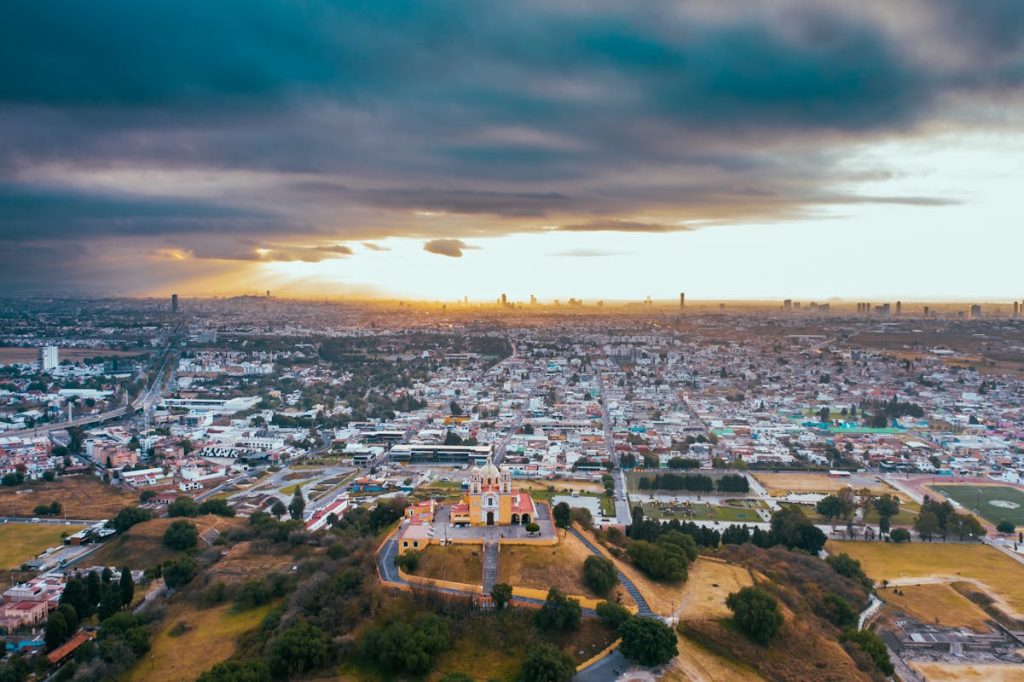
Sedona’s red rock scenery draws millions annually, placing pressure on a small community. Narrow roads struggle with traffic congestion daily. Parking shortages affect residents and emergency access. Short term rentals increase housing costs for locals. Trails experience erosion from heavy foot traffic. Businesses increasingly cater to visitors rather than residents. Water use rises amid desert conditions. Infrastructure expansion remains limited by geography. Residents voice concerns over crowding impacts. While tourism supports the economy, daily life grows more complicated. Sedona’s experience highlights how natural beauty can overwhelm a town’s capacity to manage sustained popularity responsibly over time for its permanent population.
Jackson Hole, Wyoming
 Sarah O’Shea/Pexels
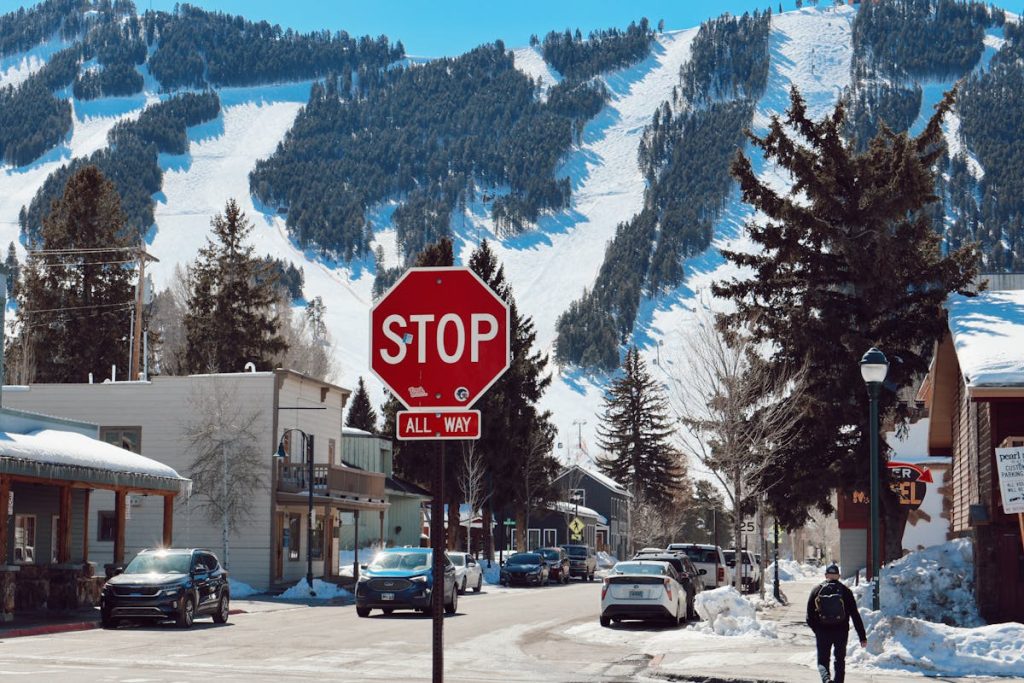
Jackson Hole attracts visitors year round for wildlife, skiing, and scenery. Tourism growth pressures housing availability for workers. Traffic congestion increases along limited roadways. Seasonal demand strains public services and infrastructure. Local wages struggle to match rising living costs. Crowded trails affect environmental preservation efforts. Residents adjust routines around visitor peaks. Emergency response times face challenges during busy seasons. Jackson Hole benefits economically, yet overtourism reshapes daily life significantly. The town illustrates how remote destinations face amplified impacts when visitor numbers exceed infrastructure capacity consistently throughout the year.
Bar Harbor, Maine
 Magda Ehlers/Pexels
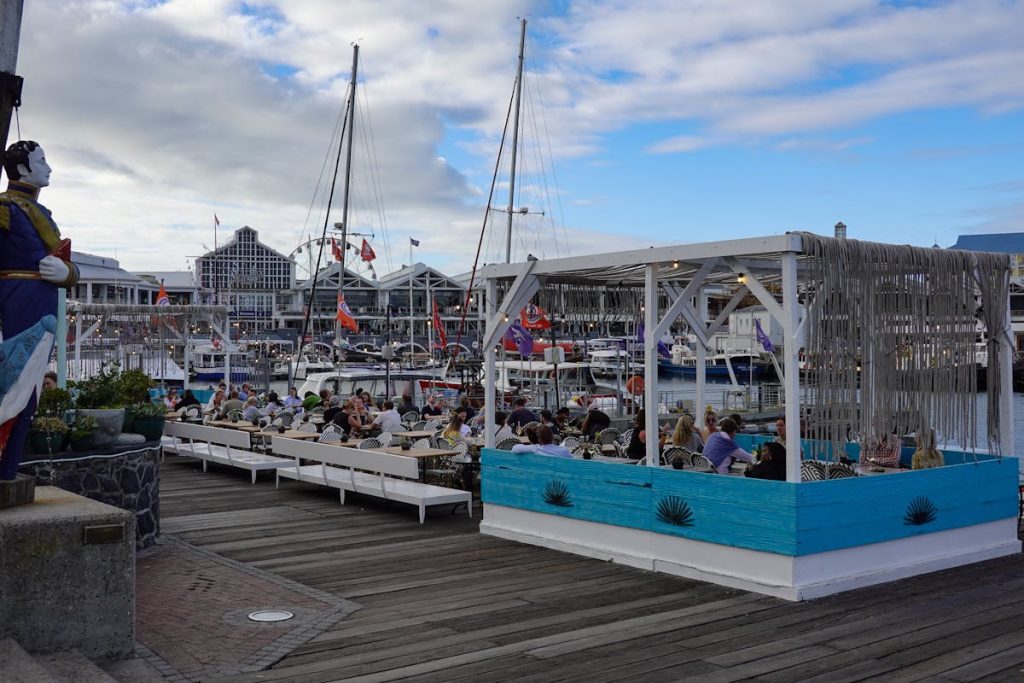
Bar Harbor serves as a gateway to Acadia National Park. Cruise ships and summer tourism flood the town seasonally. Narrow streets struggle with pedestrian and vehicle congestion. Parking shortages affect residents and workers. Housing prices rise as rentals convert to short term use. Local businesses prioritize tourist seasons heavily. Infrastructure endures strain during peak months. Environmental impacts affect nearby coastal ecosystems. Residents experience crowd fatigue during summers. Bar Harbor’s charm remains, yet overtourism alters community balance. The town demonstrates how national park proximity accelerates tourism pressures beyond what small coastal communities can comfortably manage long term.
Key West, Florida
 Dominik Gryzbon/Pexels
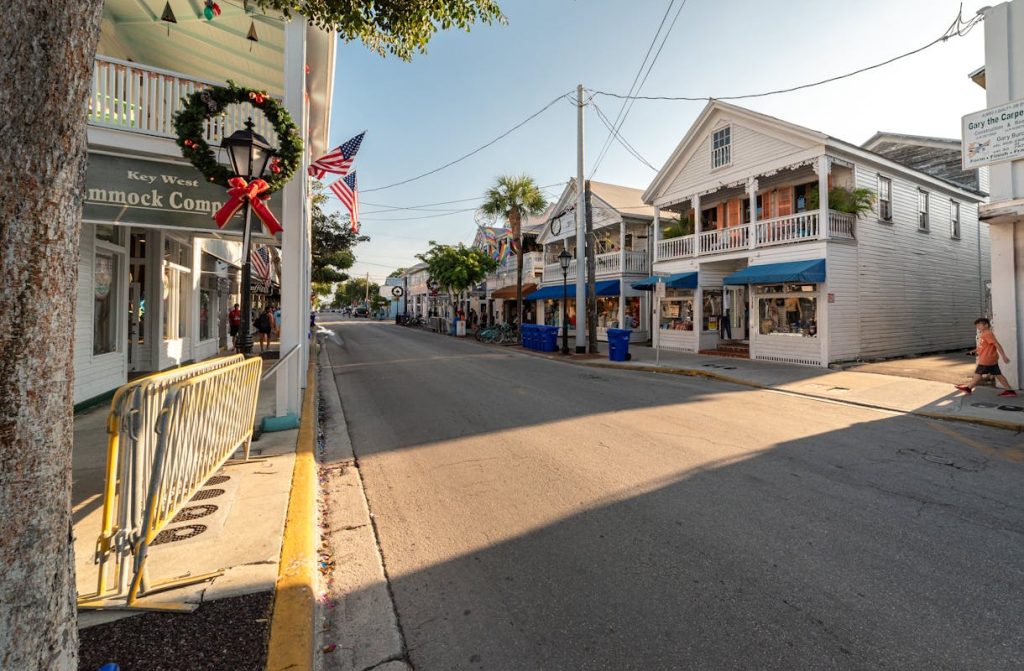
Key West’s island geography limits expansion and infrastructure growth. Tourism dominates the local economy year round. Cruise arrivals intensify daily crowding downtown. Traffic congestion strains narrow historic streets. Housing affordability declines as short term rentals increase. Workers commute longer distances due to limited housing. Public services manage constant visitor demand. Environmental concerns affect reefs and marine life. Residents adapt schedules to avoid peak times. While tourism sustains livelihoods, overtourism challenges quality of life. Key West exemplifies how island destinations face heightened strain when visitor volumes consistently exceed residential capacity and available resources across seasons.
Leavenworth, Washington
 Josh Hild/Pexels
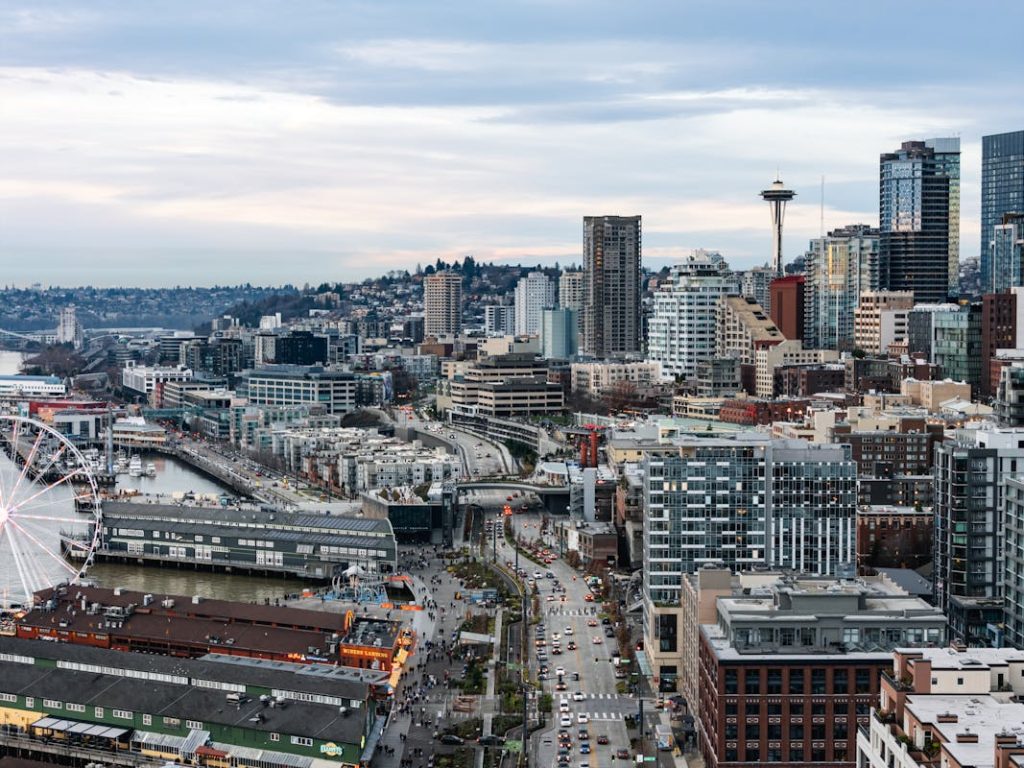
Leavenworth transformed into a Bavarian themed destination attracting heavy tourism. Weekend crowds overwhelm a small population base. Parking shortages affect residents significantly. Traffic congestion increases along limited access routes. Local services prioritize visitor seasons. Infrastructure expansion remains constrained by geography. Environmental impacts affect nearby forests and rivers. Residents experience noise and crowding frequently. While tourism drives economic success, daily life grows more complex. Leavenworth highlights how themed destinations can unintentionally outgrow infrastructure, creating long term challenges for small towns balancing identity, livability, and sustained popularity.
Gatlinburg, Tennessee
 Denil Dominic/Pexels
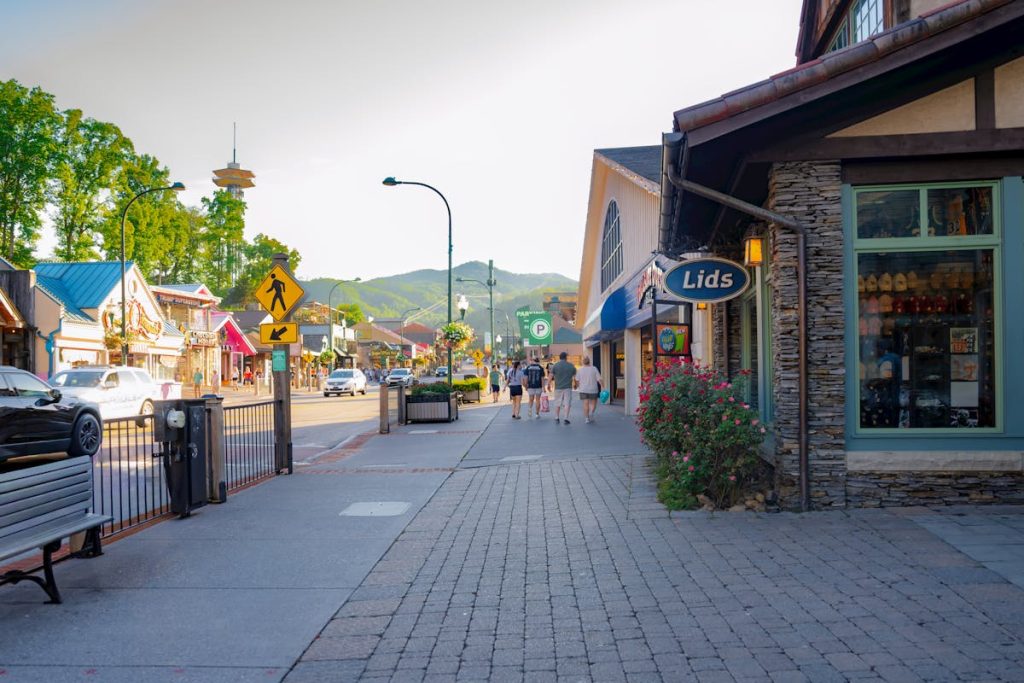
Gatlinburg borders Great Smoky Mountains National Park, drawing massive visitation. Traffic congestion dominates main corridors daily. Seasonal tourism strains utilities and emergency services. Housing availability declines as rentals expand. Infrastructure struggles during peak travel periods. Environmental pressure affects surrounding natural areas. Residents navigate crowds during routine errands. Local character shifts toward visitor entertainment. While tourism fuels the economy, overtourism reshapes community life. Gatlinburg demonstrates how gateway towns to national parks experience persistent stress when visitor numbers surpass planning expectations and resource limits year after year across seasons.
Telluride, Colorado
 Josh Hild/Pexels
Telluride’s alpine setting attracts visitors seeking skiing and festivals. Limited space restricts housing and infrastructure expansion. Tourism demand drives up living costs sharply. Workers struggle to find affordable housing nearby. Public services manage fluctuating population spikes. Short term rentals reduce residential availability. Environmental preservation faces mounting pressure. Residents adjust lifestyles around tourist influxes. Telluride remains scenic and desirable, yet overtourism complicates daily routines. The town reflects how high end resort popularity magnifies challenges for small mountain communities balancing economic benefit with sustainability and resident well being.
Marfa, Texas
 Talena Reese/Pexels
Marfa’s art scene transformed a quiet desert town into a cultural destination. Visitor numbers exceed local infrastructure capacity. Limited lodging strains availability. Housing prices rise with increased demand. Services cater increasingly to tourists. Water resources face pressure in arid conditions. Traffic increases during events. Residents experience crowding during peak weekends. Small town dynamics shift rapidly. While tourism supports revitalization, overtourism alters community character. Marfa illustrates how sudden popularity can overwhelm rural towns lacking infrastructure scale, requiring careful planning to preserve local identity and quality of life amid sustained cultural tourism interest.
Breckenridge, Colorado
 Av9, CC BY-SA 3.0/Wikimedia Commons
Breckenridge attracts skiers and summer visitors year round. Tourism growth strains housing affordability for residents. Traffic congestion affects access routes frequently. Parking shortages challenge daily mobility. Short term rentals dominate neighborhoods. Public services adapt to seasonal population surges. Environmental impacts affect surrounding trails and waterways. Workers commute from distant towns. Residents experience crowd fatigue during peak seasons. While tourism drives prosperity, overtourism complicates livability. Breckenridge exemplifies how resort towns struggle to balance economic dependence on visitors with infrastructure limitations and the needs of permanent communities facing sustained seasonal pressure.
Whitefish, Montana
 Royalbroil, CC BY-SA 3.0/Wikimedia Commons
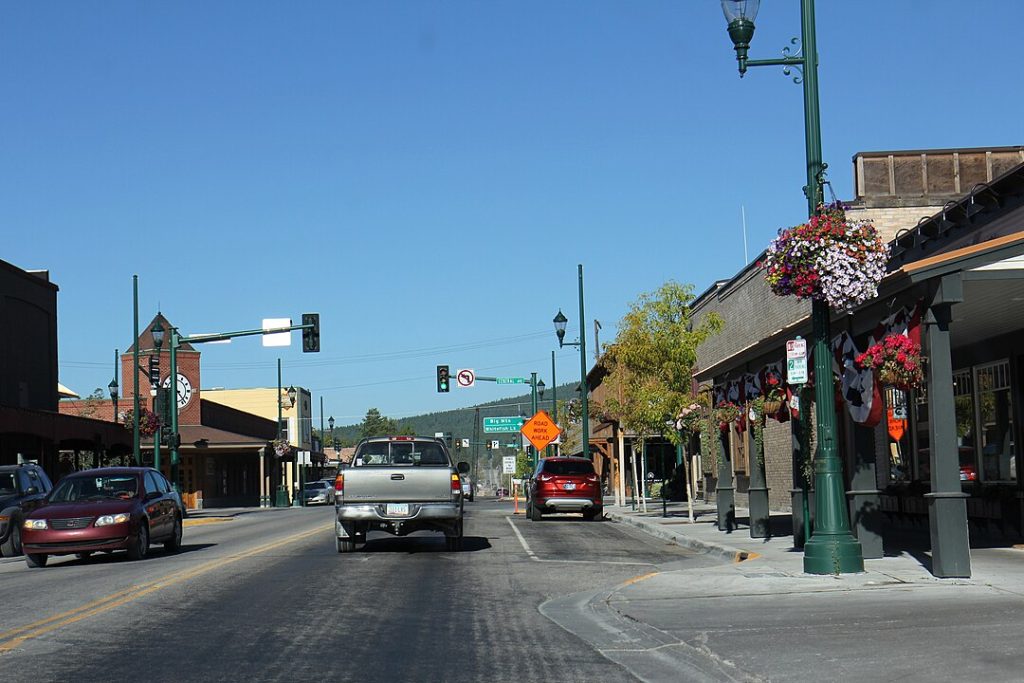
Whitefish benefits from proximity to Glacier National Park. Seasonal tourism swells the population dramatically. Housing costs rise as rentals increase. Infrastructure strains during peak months. Traffic congestion affects limited roadways. Workers face affordability challenges locally. Environmental impacts affect surrounding natural resources. Public services manage fluctuating demand. Residents adjust routines to avoid crowds. While tourism supports growth, overtourism challenges sustainability. Whitefish illustrates how gateway towns near protected landscapes face persistent pressure balancing economic opportunity with community stability and environmental stewardship as visitor numbers continue rising annually.
Like this post? share it, or pin it for later!
Like this:
Like Loading…
Related
Please visit:
Our Sponsor